

5 Pieces of Photo Gear Beginners Buy for No Good Reason
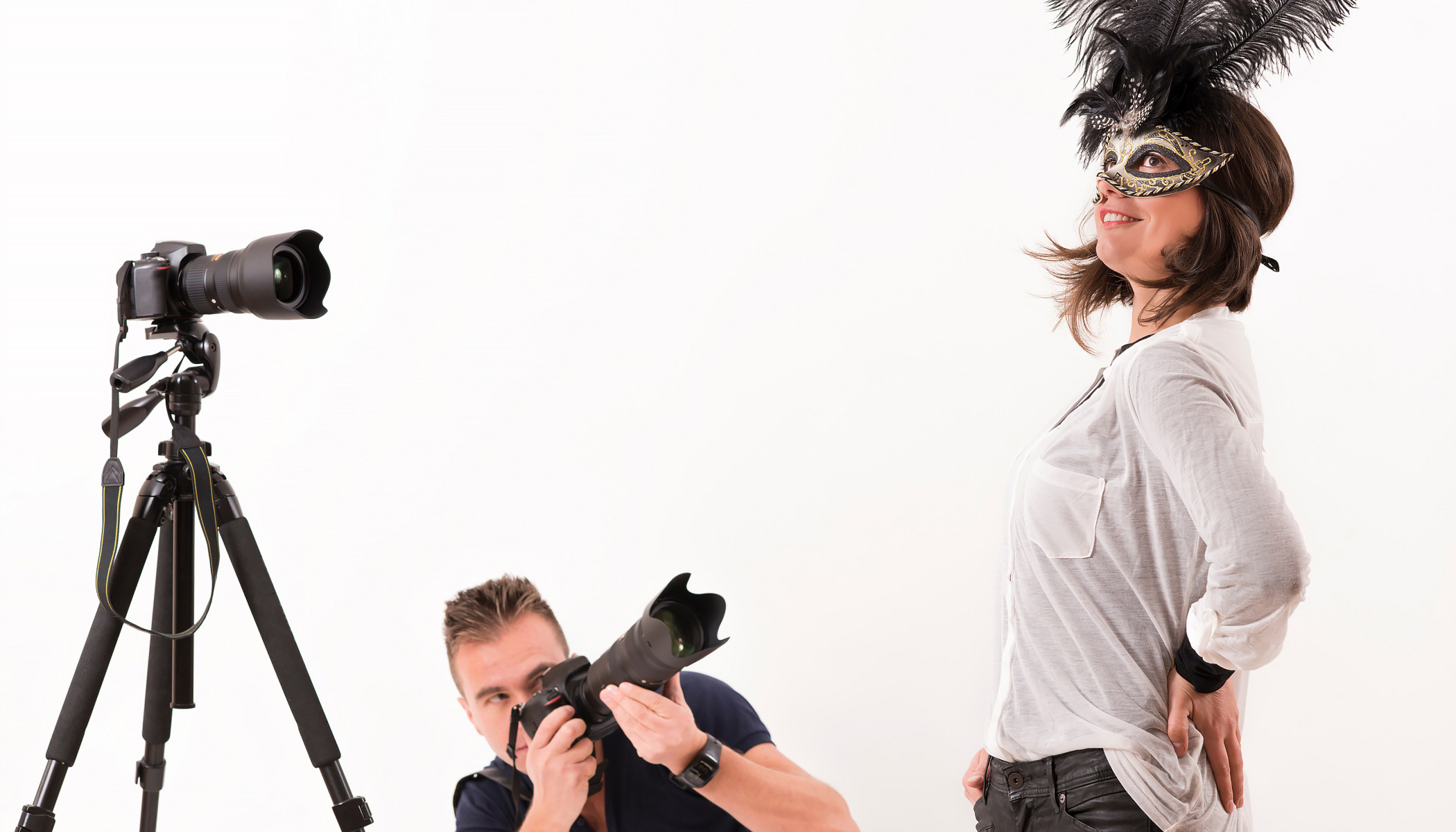
Every beginner wants to look professional behind the camera, and camera manufacturers are more than happy to profit from that. Let’s go through five popular accessories and pieces of gear that people often buy because the gear makes them feel more professional rather than because it actually improves their photos. We’ll tell you when this gear actually makes sense — and when it’s just an unnecessary, premature expense.
What you'll learn in this article
- When a lens hood is genuinely useful — and when it’s just for show
- Why a big telephoto lens tends to complicate studio work rather than help it
- Who actually benefits from a battery grip, and who doesn’t
- Whether the most expensive camera body automatically means better photos
- When a tripod for family photos is worth it, and when it’s just dead weight
Every photographer wants to look like a professional. That goes double when you’re just starting out. I remember it well myself — you get the feeling that if you own the same gear as the pros, people will take you more seriously. But a lot of things that look “professional” at first glance actually do almost nothing for a beginner.
Often these are accessories or equipment that only start to make sense once you’ve developed your own style and genre and know exactly why you need them. I’ve been through a few of these myself, so this definitely isn’t an article about laughing at anyone. Think of it more as a shortcut for people who don’t want to spend a lot of money unnecessarily — and prematurely.
1. Lens hood

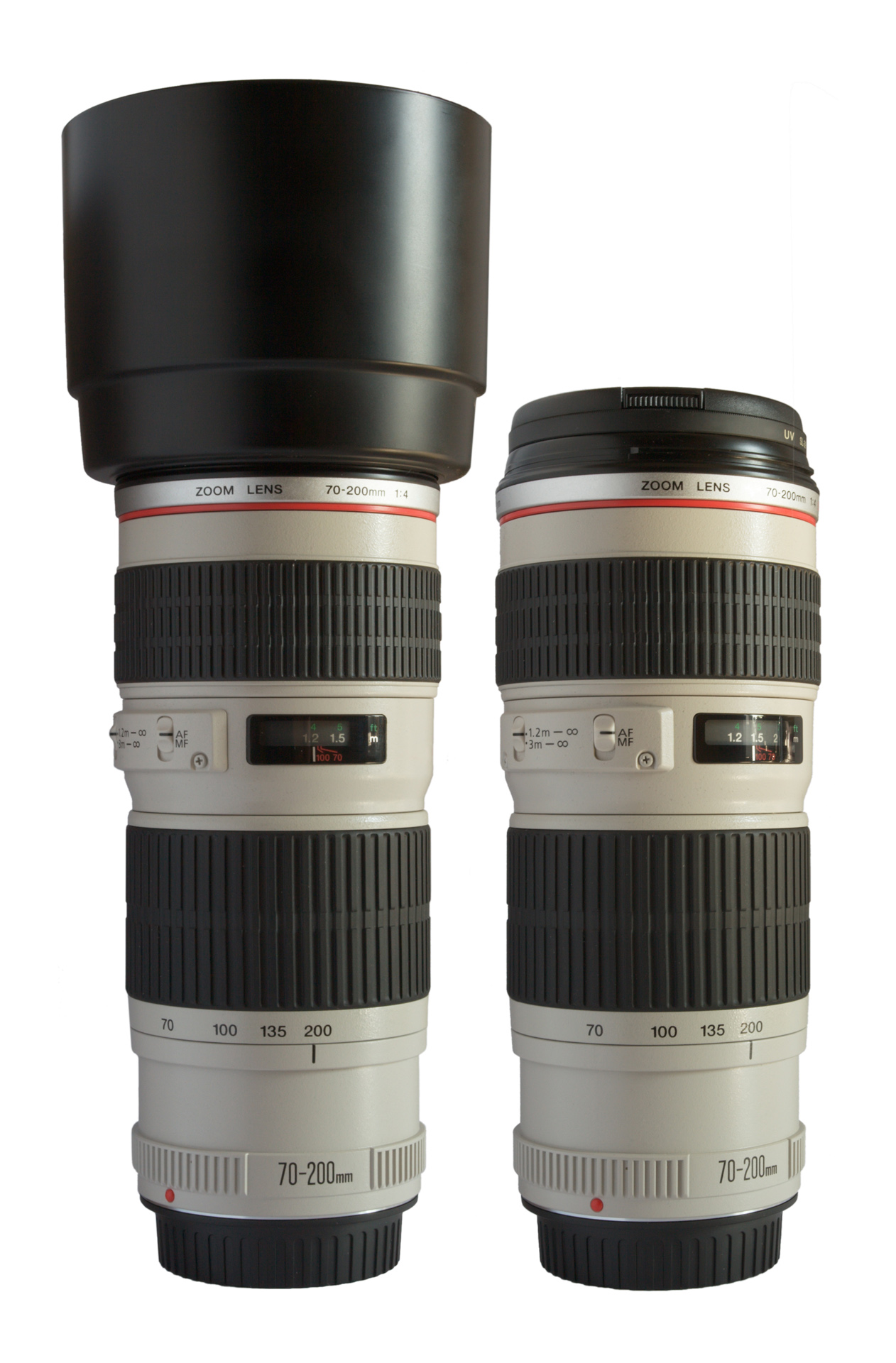
Even a smaller lens looks bigger with a hood attached, and the photographer looks a bit more professional too. In reality, a lens hood has two main functions.
The first is preventing harsh sunlight from hitting the front element, which can cause lens flare or reduce contrast. In many situations, though, you can achieve the same effect simply by shading the lens with your hand.
The second function is protecting the lens in case of an impact — if you drop your camera, the hood can absorb some of the energy and save the front element. That said, for protecting the glass itself I’d much rather recommend a good-quality UV filter. It’s unobtrusive, compact, doesn’t affect your photos, and if the worst happens, the filter may shatter instead of the front element.

One downside of a hood: if you’re using a zoom lens, at the wide end it can creep into the frame and cause vignetting.
2. A big telephoto lens
The longer the lens, the more respect it commands. At least, that’s what some people think. I know a photographer who shoots studio portraits with a telephoto lens purely because, to the untrained eye, a big piece of glass looks more professional than an ordinary 50mm. In reality, he’s just making the job harder for himself.
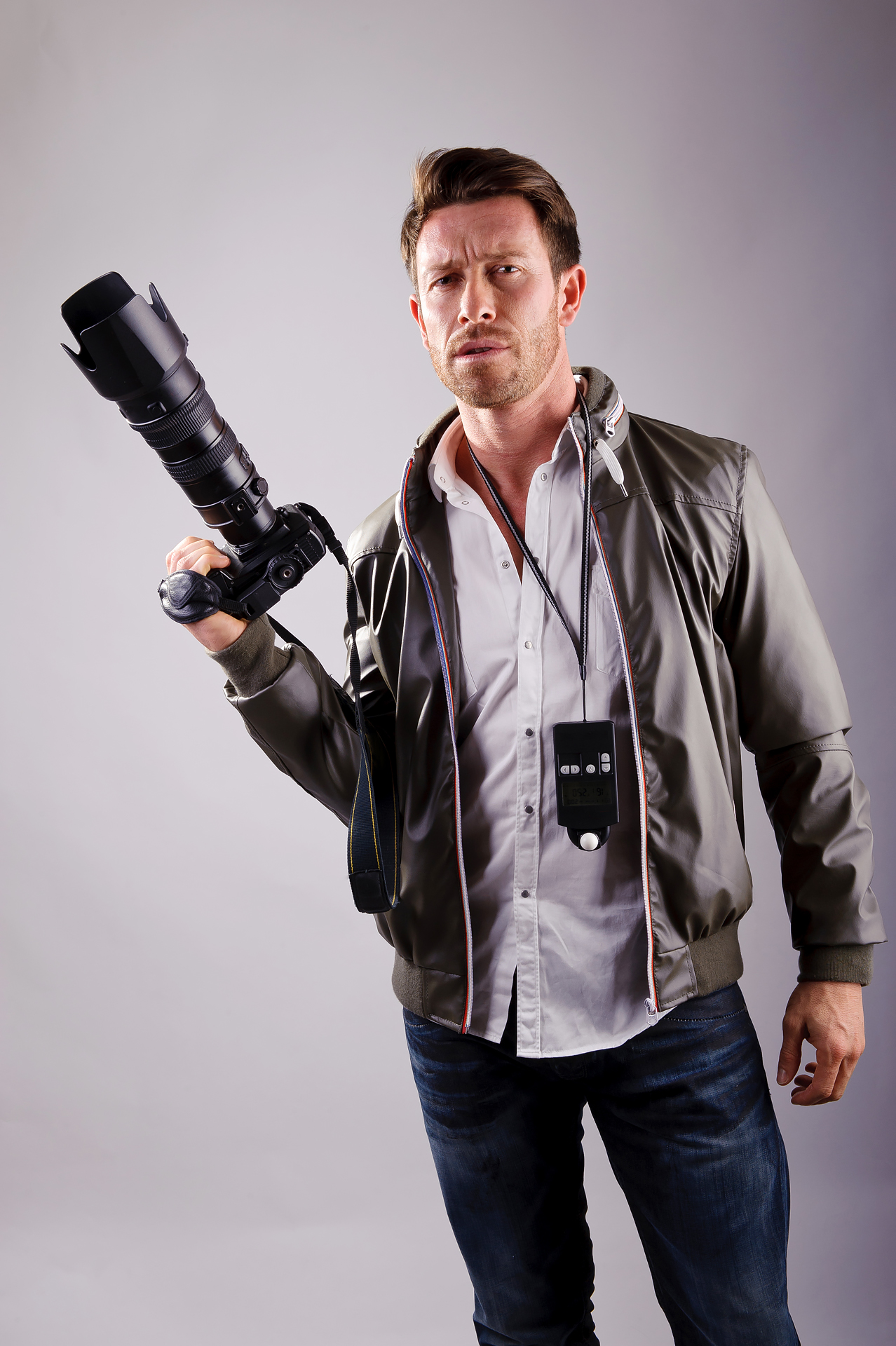
You end up standing much farther from your subject, which unnecessarily disrupts communication. If you’re adjusting your lights as you go, that extra distance means a lot of extra steps back and forth. And the telephoto’s signature ability to strongly blur the background often goes unused in a studio anyway. Either you’re shooting against a paper backdrop, where bokeh is pointless, or you have a nice interior that would be a shame to reduce to a colorful blur.
3. Battery grip

Attach a grip and your camera suddenly looks much bigger and more professional. The trouble is, most amateurs never actually use its advantages. You can just as easily carry a spare battery in your pocket and save yourself a few hundred extra grams. Unless you’re shooting thousands of frames a day or covering long events without a break, a grip usually won’t give you anything essential — it’ll just take up space in your bag.

The exception is photographers with larger hands, for whom a small camera body without a grip is simply uncomfortable to hold. It also genuinely makes sense for sports or event photographers who truly don’t have time even for a quick battery swap. For most beginners, though, it’s more about looks than actual need.
4. The most expensive body

“If I buy the best camera, my photos will automatically get better.” That’s exactly the idea camera manufacturers love to build on. The reality is different. You won’t learn to shoot faster with a flagship body than with a well-equipped mid-range camera.
Flagship cameras offer huge advantages for sports photographers, photojournalists, or motorsport shooters. They deliver extremely fast burst shooting, top-tier autofocus, and rugged build quality. But if you’re shooting portraits, landscapes, family photos, or travel, you’ll only ever use a fraction of what they offer. A good lens, good light, and above all the photographer’s experience will make a far bigger difference than a pricier body.

And let’s be honest about one more thing. Not everyone buys a flagship model because they truly need its capabilities. Sometimes it’s simply the joy of owning the best. And sometimes it’s the desire to impress others — or yourself. There’s nothing wrong with that, as long as you know you’re not buying better photos, just a pricier toy. It would be a shame to expect the receipt from the camera store to substitute for hours actually spent shooting.
5. A tripod for every family photo

Some beginners set up a tripod every single time they pull out the camera. Suddenly they feel a lot more serious about it. Meanwhile, while you’re extending the legs and adjusting the height, the kids have long since moved on to something else entirely.
Most family photos come out just fine handheld. Modern cameras handle high ISOs very well, and image stabilization helps even in poor light. On top of that, people move around during casual shooting anyway, so a tripod won’t stop motion blur either.

On the other hand, landscape photographers, product photographers, and anyone shooting long exposures genuinely can’t do without one. For a beginner who’s still trying a bit of everything, though, it’s often just one more piece of gear they’re lugging around for no reason.
You can’t spot a professional by the size of their lens or the price of their camera. You spot them by the fact that they know exactly why they’re using the specific piece of gear in their hands. Beginners often buy equipment to look like photographers. Experienced photographers buy equipment because it solves a specific problem.

Read also: 6 Reasons You Don’t Need a Fast Lens
FAQ
Does a lens hood actually serve a practical purpose? Yes — it protects against flare and reduced contrast from harsh side lighting, and it partially cushions the impact if you drop your camera. In many situations, though, your own hand does the same job against the sun, and a good-quality UV filter is the better choice for protecting the front element.
Why shouldn’t I use a telephoto lens for studio portraits? A telephoto forces you to stand far from your subject, which complicates both communication and working with your lights — and its main advantage, strong background blur, usually goes unused in a small studio space anyway.
Is a battery grip worth it for a beginner? For most beginners, no — you can carry a spare battery in your pocket just as easily. A grip makes sense mainly for photographers with larger hands or those shooting large volumes of frames without a break, such as at sporting events.
Will the most expensive camera automatically improve my photos? No. Flagship models mainly benefit sports, photojournalism, or motorsport photography thanks to fast burst shooting and rugged durability. For portraits, landscapes, or family photos, a good lens, good light, and the photographer’s experience make far more of a difference.
Do I need a tripod for family photos? Usually not — modern cameras handle high ISO and stabilization well even in poor light, and moving kids will blur the shot regardless of the tripod. A tripod is more useful when light is limited or when you want to be in a group photo yourself.


There are no comments yet.