

6 Photography Habits That Are Holding You Back
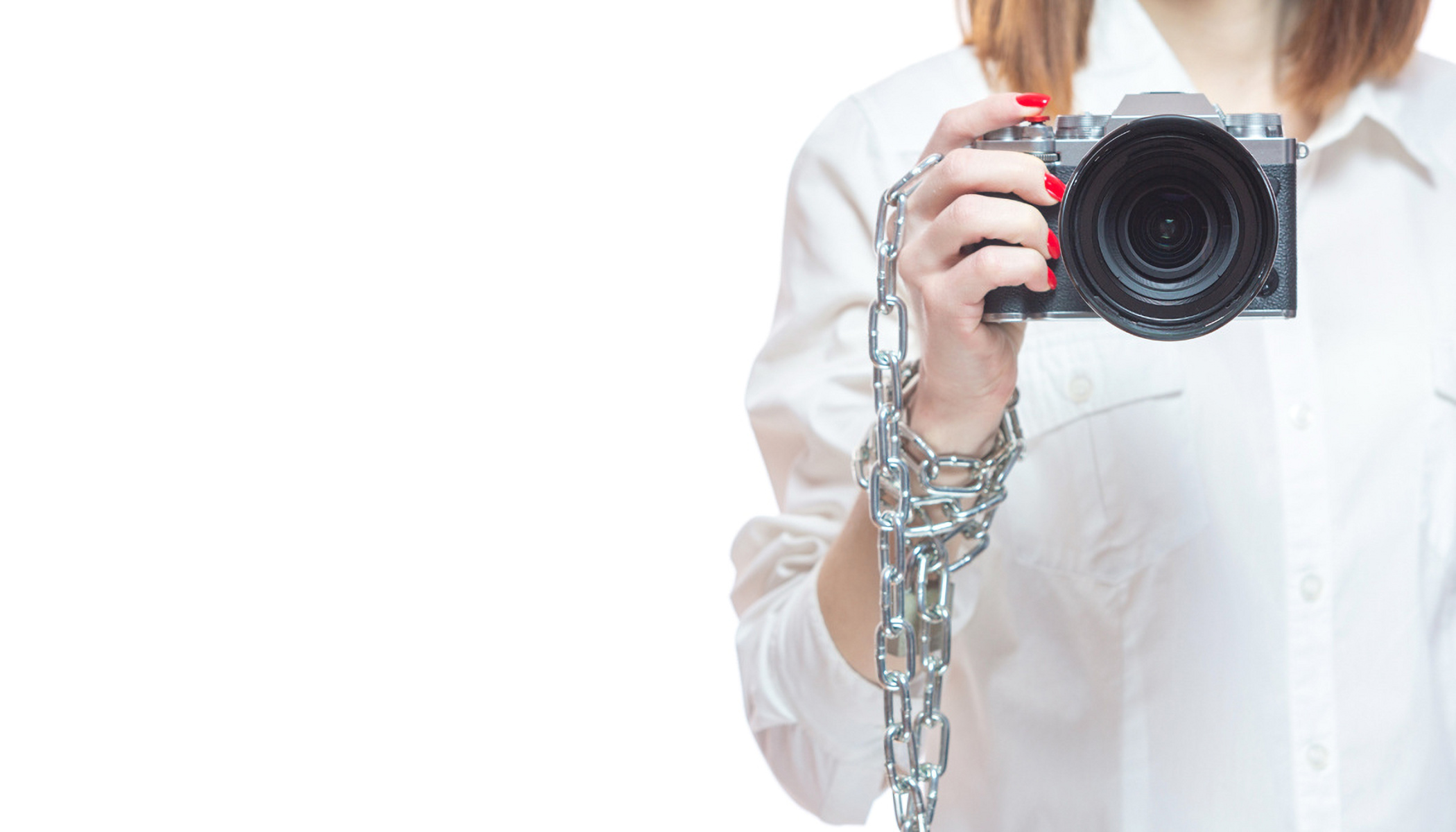
As photographers, we are constantly searching for what we’re doing wrong. But sometimes it isn’t a mistake that’s holding us back, but rather something we keep doing the same way over and over again. A habit that once helped us can become a barrier that stops us from experimenting, making decisions, and developing our own signature style. Here are six photography habits that are worth reevaluating.
In this article, you’ll learn:
- Why a “pretty” location doesn’t guarantee photogenic shots.
- Why excessive burst shooting leads to unnecessary editing work.
- Why you should delete photos without feeling guilty.
- Why you shouldn’t be afraid to deviate from your tried-and-true shooting style, even if it turns out to be a flop.
- When it makes sense to invest in new gear and when experimenting with what you have is enough.
- How the pursuit of likes keeps you from trying new things.
1. Searching for the “prettiest” spot
Just because a place is objectively pretty doesn’t make it photogenic. And vice versa. Recently, my mom mentioned seeing a dried-up pond during a summer heat wave and thinking it looked awful. My mind suddenly went elsewhere: Are there deep cracks in the ground? Where is it? My mom didn’t understand my excitement, but capturing that kind of soil texture has been on my photography bucket list for years.
Urbex is another great example. A derelict, crumbling building with peeling plaster and broken glass offers priceless photography opportunities. Now imagine standing on a mountain peak, taking in a magnificent view. It’s objectively a breathtaking view, but that alone doesn’t make for a compelling photograph.
What’s impressive in real life may not be as striking in a flat, 2D photograph. Look for elements that serve your artistic intent rather than places that are simply pretty to look at.

2. Taking too many photos
This isn’t about taking fewer photos overall, but rather how many times you press the shutter button in one session. Modern cameras can easily shoot over ten frames per second. This is an incredible advantage for sports, fast-moving wildlife, or water droplet photography. In those cases, high-speed continuous shooting helps you catch the perfect moment. In other cases, keeping your finger on the shutter button just clutters your memory cards and storage, giving you extra work in post-production.
Think back to the days when you used 36-exposure film. Every time you pressed the shutter button, it felt intentional. Before you press that shutter button a second time, ask yourself a simple question: Has anything changed significantly? If not, there might not be any reason to take more pictures.

3. Being afraid to delete photos
This habit stems directly from the previous habit and may be why your photo selection process becomes a chore. You download the entire shoot to your computer, and then the endless process of sorting through the photos begins: “What if I keep the photo with the bride smiling and then she wants one without a smile?” So you keep both. And you might as well keep a third, fourth, and fifth version of the same photo just in case. This is exactly what slows down your workflow. And after you select and edit the photos, the rest of the RAW photos sit on your hard drive, untouched and forgotten.
I have a tried-and-true system when selecting photos. I try to decide fairly quickly which photos have true value and which are just a variation of the same thing. Of course, I securely back up my final selection, but I don’t need to keep dozens of nearly-identical photos long-term. I’m even stricter when it comes to my own photo shoots or experiments.
It’s not about thoughtlessly deleting photos or getting rid of important backups, but rather learning to be decisive.

4. Sticking only to what works
You took a great photo, it got an amazing response, and now it’s hard to resist the urge to repeat the formula. After all, it worked before! This is exactly how a personal style takes shape. When you discover a certain lighting setup, a specific focal length, or composition that works, there’s no reason to abandon it just to be different.
However, even a winning recipe gets stale over time. You already know exactly how to create a photo, you know it will work, and you start copying yourself. Over time, however, there may come a moment when your photos stop surprising your audience, and you too.
Occasionally, do something that seems like a bad idea. It might be a flop, but it also could lead to a creative breakthrough you never would have discovered by just playing it safe.

5. Buying new gear instead of experimenting
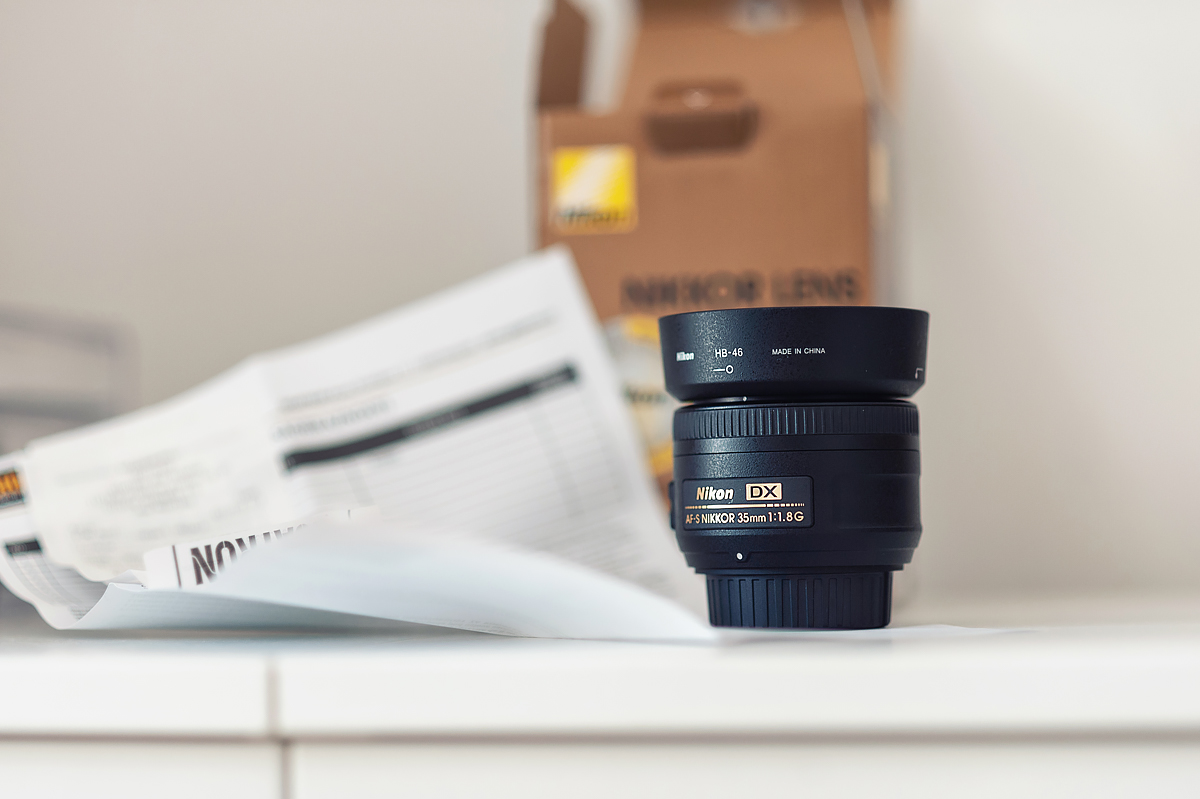
Buying a new lens feels much more satisfying than making a conscious decision to take your existing gear and spend a month exploring new techniques with it. Especially when you can afford it. Try setting limits for yourself—for example, shoot with just one lens, one focal length, or one light source. It forces you to think differently, and that’s often when the best ideas happen. And it saves you money.
Of course, new gear has its place. If there’s something you’re missing, a new purchase can simplify your workflow. It’s just a good idea to first figure out when your gear is limiting you or if you’re simply dealing with a creative block.
6. Chasing social media validation
The desire for instant gratification is the biggest obstacle of all in my opinion. Likes on social media are quick feedback, but they don’t reflect the true quality of a photograph.
When you start taking photos based on the expectations of others, taking risks can feel scary. What if they don’t like it? What if I don’t get as many likes? What if I lose my followers? So you take photos you know will work. But if you want to grow, you have to try new things, even if you know your audience may not fully appreciate it at first.
I usually alternate between the two: I sometimes take photos just for myself, to test things out, with no clear idea of how they’ll turn out. Other times I’m shooting for a client, where I need reliable results, and there isn’t much room for experimenting. Both approaches have their place in photography.

FAQs
Why doesn’t a beautiful location automatically make a good photo?
What looks stunning in real life may not be in a flat, 2D photograph. Look for interesting textures, light, or atmosphere instead of an objectively picturesque location.
Is it bad to take a lot of shots at once?
Not always. For sports, wildlife, or fast-paced action, continuous shooting makes sense. It only becomes a problem when you use it without needing to in situations where the scene doesn’t change between shots. That only creates more work for you later.
How can you learn to delete failed or duplicate shots?
It helps to make quick decisions right from the start—ask yourself whether a photo is truly valuable or just another version of the same shot. Of course, back up the photos you’ve selected, but there’s no need to keep dozens of nearly-identical shots forever.
When is it actually time to buy new photography gear?
New gear makes sense if there’s something in you’re missing and can’t get the job done without. But if you’re struggling with a lack of ideas, a temporary limitation like shooting with only one lens or one light source might be more helpful.
How does chasing social media likes affect your photography?
Relying on instant gratification can make you afraid to try new things because you risk getting negative feedback. A healthy balance is to alternate between shooting for yourself, where you can afford to experiment, and shooting for clients, where you need a reliable result.


There are no comments yet.