

Black and White Photography: When It Works Best—and When Color Is the Better Choice
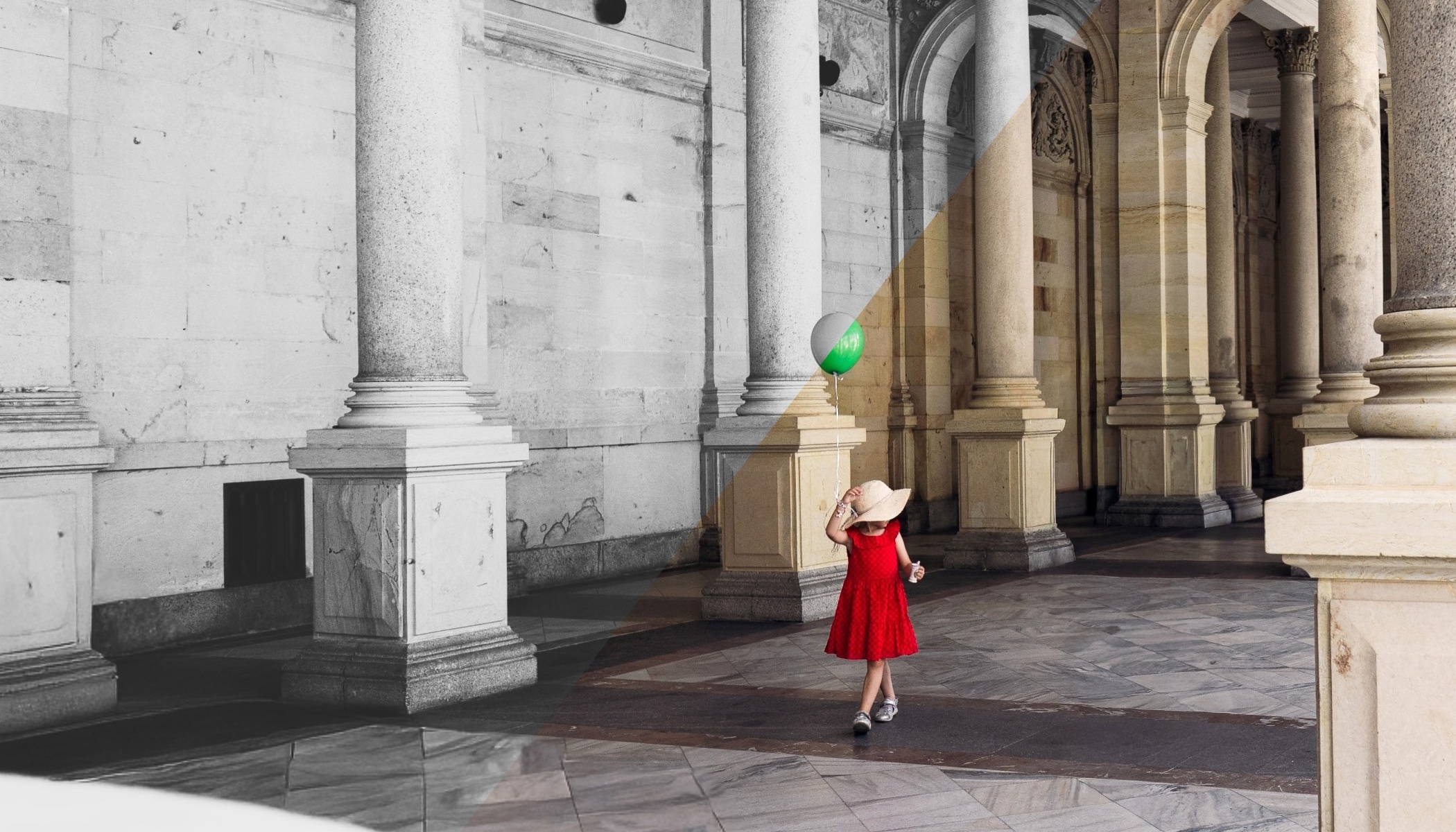
Color photography is most common today, but black-and-white photography still has its place. It can emphasize light, contrast, and emotion while eliminating potentially distracting colors. When does black and white photography work better than color? When does it weaken an image? And how can you get the most out of it during both shooting and editing?
In this article, you’ll learn:
- Why some photos work better in black and white than in color.
- How light, shadow, and contrast affect the resulting black and white image.
- When it makes sense to convert a photo to black and white—and when it’s better to keep it in color.
- What to focus on during post-production.
- Why a black and white photo doesn’t automatically make a photo “artistic.”
To start out, it helps to understand what the basic building blocks of a black and white photograph are. When color is removed from an image, what remains is a range of tones—from pure white to deep black—with a wide spectrum of gray in between. Light and shadow determine how these tones appear in the final image. They create contrast—the difference between the brightest and darkest areas—which is essential for ensuring the photograph doesn’t appear flat but instead has depth and visual impact.


The tonal range and contrast determine whether an image feels soft and subtle or striking and dramatic. © Lenka Krejčová
How black and white draws attention to the main subject
One of the greatest strengths of black and white photography is its ability to eliminate distracting colors. Color can unintentionally pull the viewer’s attention away from the main subject. At the same time, colors evoke certain emotions so removing them can change the way we interpret an image. In black and white, the viewer focuses on the photo’s content, lines, and structure.
Black and white images often have a more intimate and timeless quality, which is why photographers frequently use them in portrait, architecture, and street photography. In documentary photography, black and white can help unify an entire series, encouraging the viewer to focus on the core content rather than visual details.

Light, shadow, and contrast: The foundation of a great black and white photo
In black-and-white photography, light gives shape and guides the viewer’s eye, while shadow adds tension and allows details to stand out. This is why textures stand out much more prominently in black and white—from wrinkles on a face to the rough surface of an old wall or intricate details in nature.

How black and white changes a photo’s mood
In challenging lighting conditions, where color noise at high ISO might be distracting, black and white can add a raw, authentic feel. Grain can become a creative element, evoking the look of classic film photography. Black and white photography also opens the door to more dramatic editing. It lets you work with more pronounced contrast, which might appear unnatural in color. Of course, it depends on the photographer’s genre, style, and intent.

Good black and white photos start before editing
A strong black and white photo isn’t created simply by desaturating a photo. It starts with a strong understanding of light and shadow. Keep this in mind right from the moment you press the shutter button. During post-production, experiment with individual color channels. To start, try different black-and-white presets. You can download a variety of presets, including black-and-white styles from the Zoner Studio website and observe how they affect the settings. It’s a great way to discover different approaches to black-and-white photography. This is also why shooting in RAW is so important. RAW lets you work with colors more selectively during editing, artificially increasing contrast where different shades of gray might otherwise blend together.

When black and white doesn’t work
As much as I love black-and-white photography, many of the most powerful photographs rely heavily on color. Not every subject benefits from black and white. Color isn’t merely decoration—it often carries essential information. Remove it, and part of the message disappears as well.
Sometimes, converting a photo to black and white can actually make a scene harder to interpret. If the original scene lacks particularly interesting lighting, converting it to black and white can result in a flat, dull, and lifeless image that lacks the energy of the original scene.
Black and white is also less effective in product photography, food photography, and photo journalism, where color plays a major role.


An example of a photo that doesn’t work in black and white because color is a key part of the image. © Lenka Krejčová
Why converting to black and white won’t save a bad photo.
Many beginners make the mistake of converting a technically poor or content-empty shot to black and white in hopes that it will appear artistic. Unfortunately, it doesn’t work that way. If a photo lacks a compelling subject, thoughtful composition, or light contrast, the black and white version will only accentuate these shortcomings rather than hide them.
Color or black and white? It depends on the story, not on what’s in style
The debate of color vs black and white never seems to end. From my perspective, it’s the wrong question. Black and white photography isn’t better than color photography. It’s just different. The quality of a photograph depends on more than whether it contains color. What matters is whether the image works as a whole—whether it’s visually engaging, emotionally powerful, and capable of conveying the photographer’s intended message.
FAQs
When’s the best time to shoot in black and white?
Black and white photography works best when light, contrast, shapes, or texture play a central role. It’s commonly used in portrait, street, architecture, and documentary photography.
Is converting a photo to black and white enough?
No. A good black-and-white photo begins with shooting. Light, composition, and contrast are key, while post-processing helps enhance their impact.
When is it better to stick to color photography?
Color is often the better choice when it plays an important part of the image’s message or atmosphere.
Why should I shoot in RAW?
RAW preserves more image data, so when converting to black and white, you can work more effectively with color channels, contrast, and individual color tones.
Will converting a photo to black and white save a failed photo?
No. If a photo lacks a compelling subject, strong composition, or quality light, the black-and-white version will only accentuate these shortcomings.


There are no comments yet.