Central Composition in Photography: Tips, Tricks, and Inspiration for Portraits, Architecture, and Landscapes
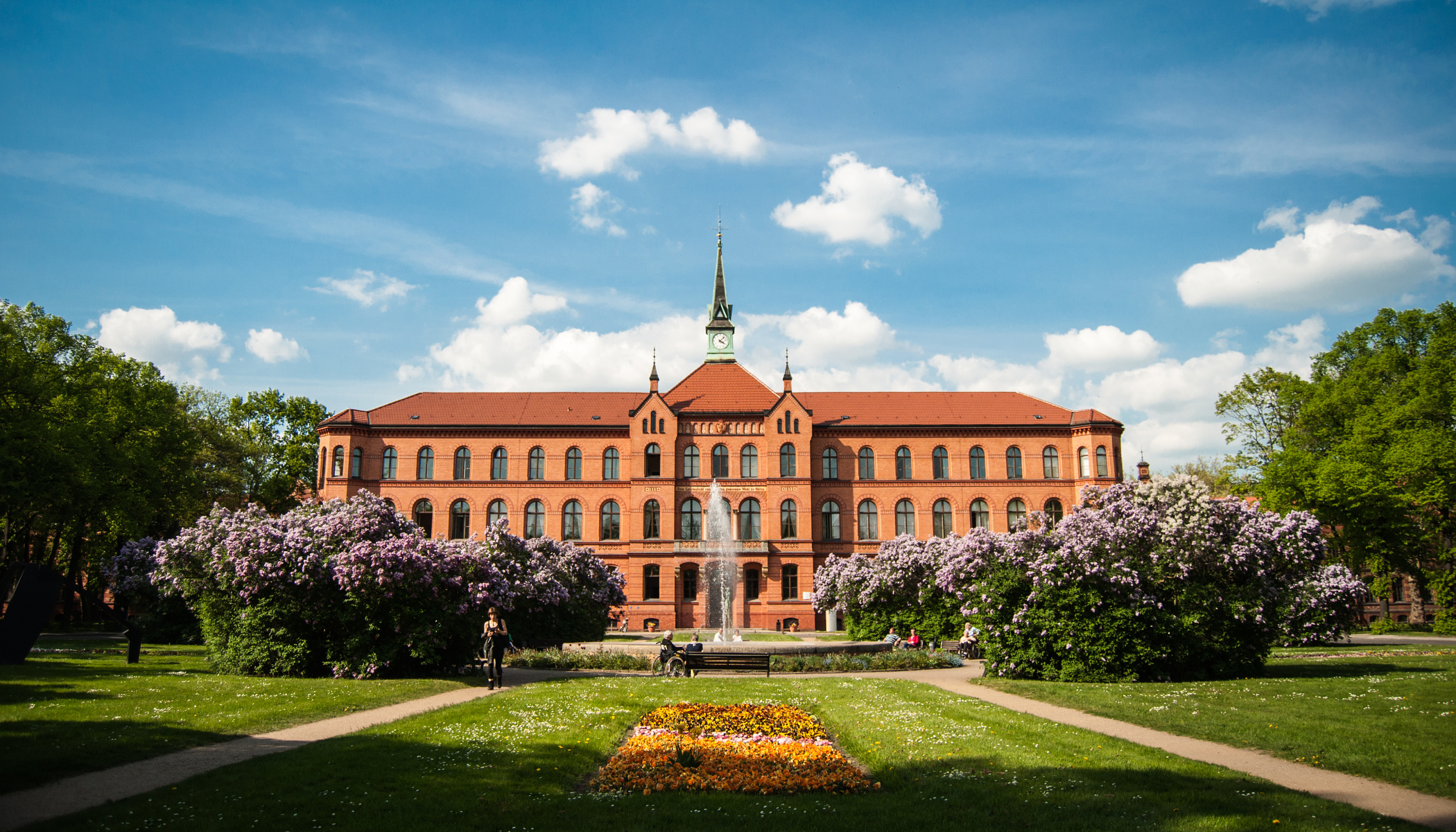
Central composition is often considered a beginner’s mistake, but it can be a powerful tool. Learn when and how to use central composition to make your portraits, architecture shots, and landscapes look harmonious and professional.
In this article, you’ll learn:
- How central composition works and when it’s appropriate.
- Why central composition isn’t a beginner’s mistake.
- How to use central composition in portraits, architecture, and landscapes.
- Tips on how to make central composition dynamic and visually appealing.
Central composition is often thought of as a mistake. But it only becomes a mistake when we don’t know why we’re placing the subject in the center. When we choose this type of composition consciously and with a clear intention, the photograph can be harmonious and even have a calming effect.

Central composition means that the main subject is placed on the central axis of the image—vertical, horizontal, or both at the same time. It works intuitively, especially in situations where the image has a clear internal logic. This is typically the case with axially symmetrical scenes, where central composition emphasizes the balance of the whole image.
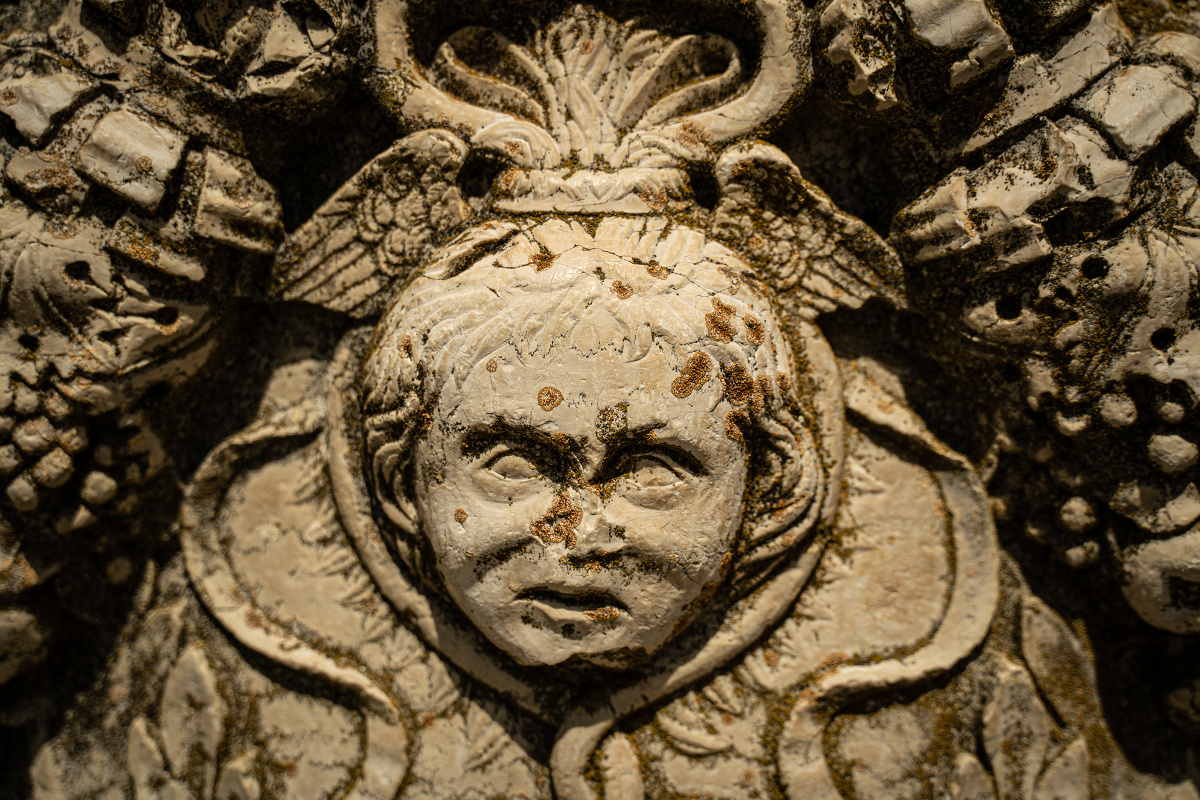
It works just as well with a strong subject—a single object or figure that isn’t competing with its surroundings. In these cases, central composition isn’t a simplification, but a way to give the subject space and weight.
Central composition in architecture
Architecture naturally works with axes, symmetry, and a clear structure. Differences arise in what’s happening within the space. Light, the presence or absence of people, the time of day, the weather, or the season can create a different image from the same location every time.
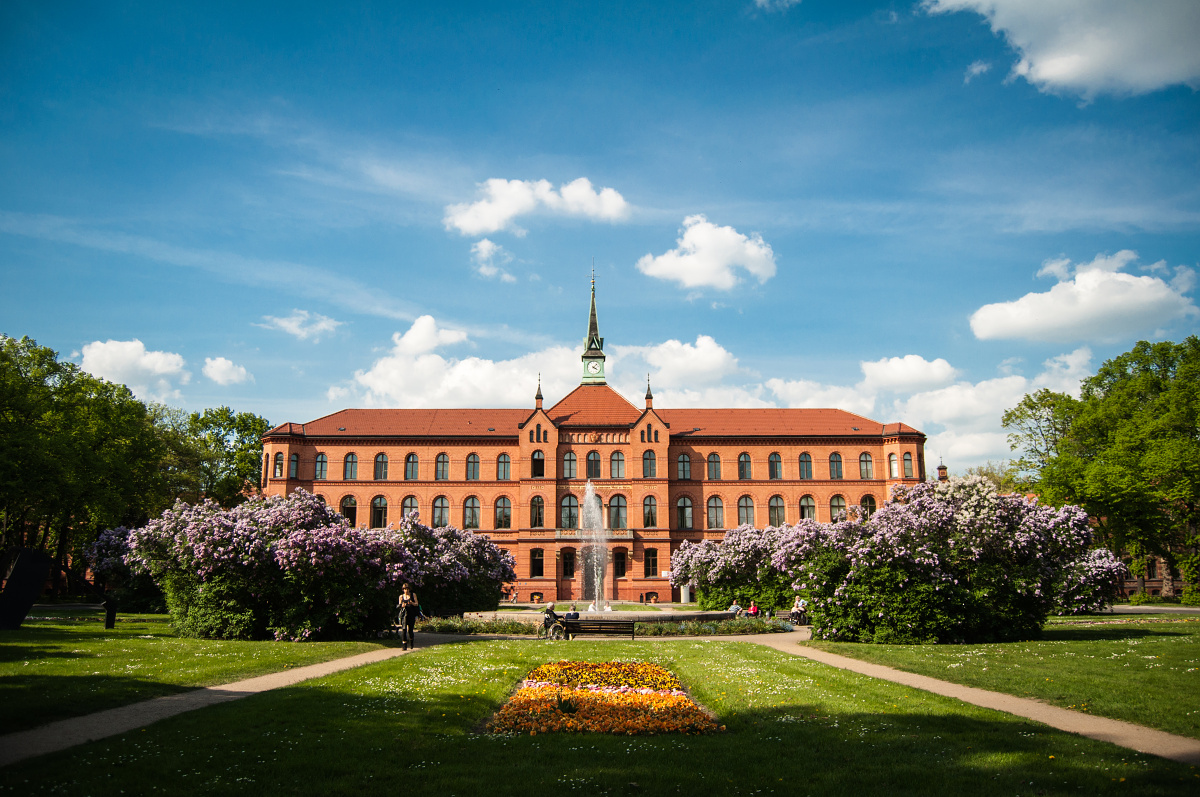
At the same time, if nothing changes, the images quickly become monotonous. The center must convey something—light, movement, tension, or meaning. Without that, all that remains is empty symmetry.
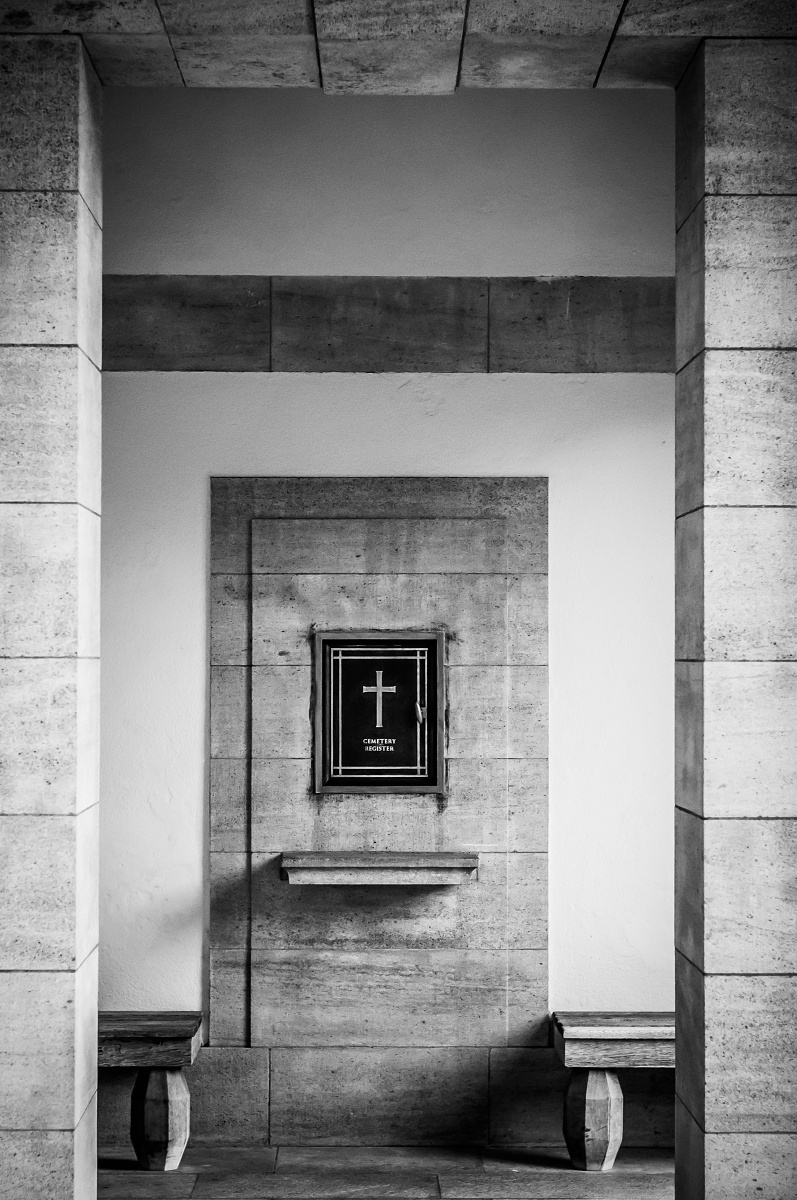
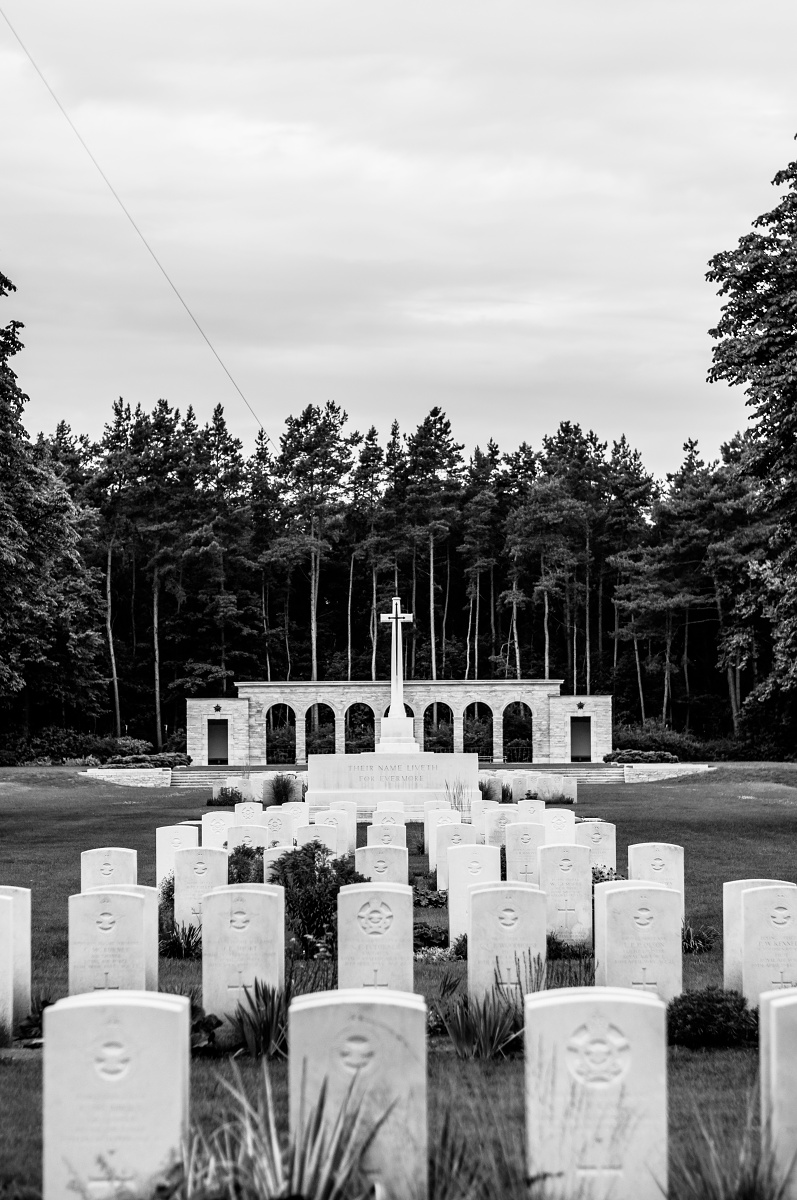
For the photograph of the gravestone, I used a combination of central composition with framing and cross-composition. © Ester Dobiášová
Central composition for solitary subjects
Central composition works very well with solitary elements—individual objects or figures that stand alone in space. A typical example is a lone tree in the middle of a field. Nothing needs to be happening around it; quite the opposite. The empty space surrounding the subject is part of the message. In this case, central composition emphasizes solitude, stability, or silence. The subject is clear; it doesn’t draw the viewer into the action but allows them to linger within the image.
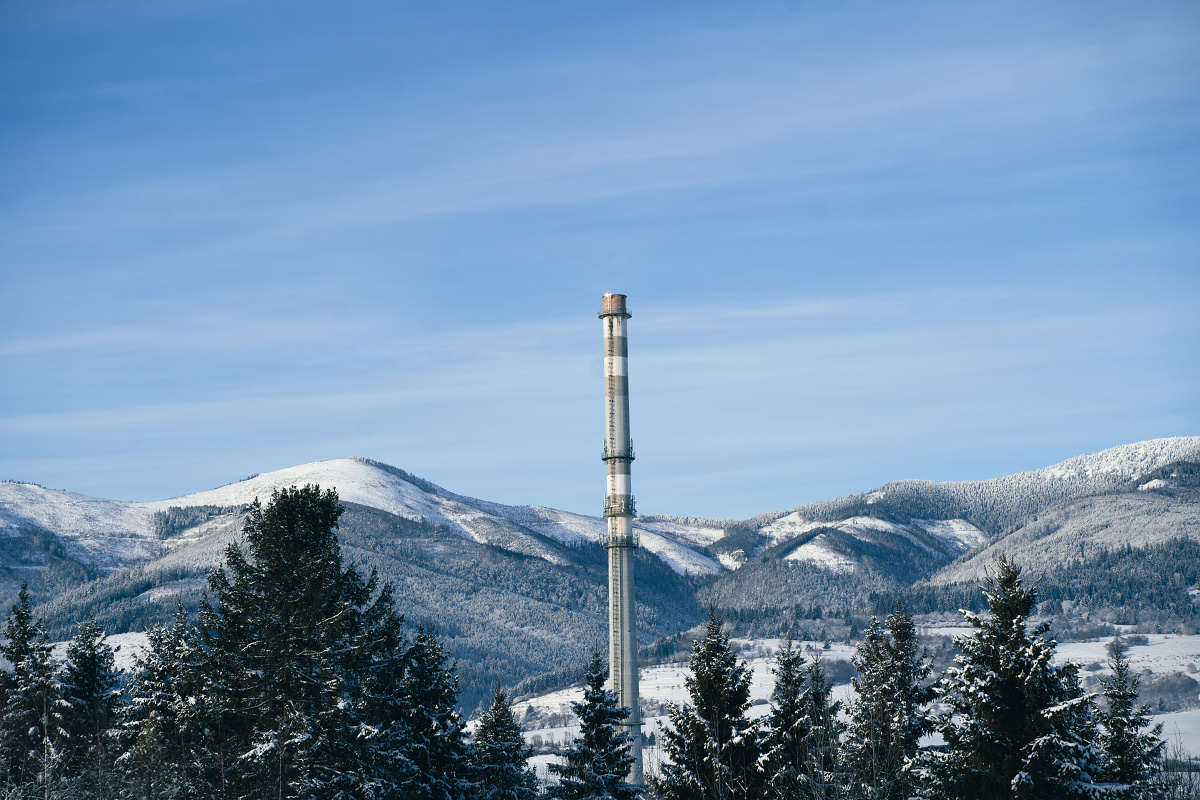
Using the same subject over time is also powerful. The same tree photographed throughout different seasons demonstrates how a central composition can hold the whole image together while the light, colors, and atmosphere change. The composition remains the same, but the meaning shifts.
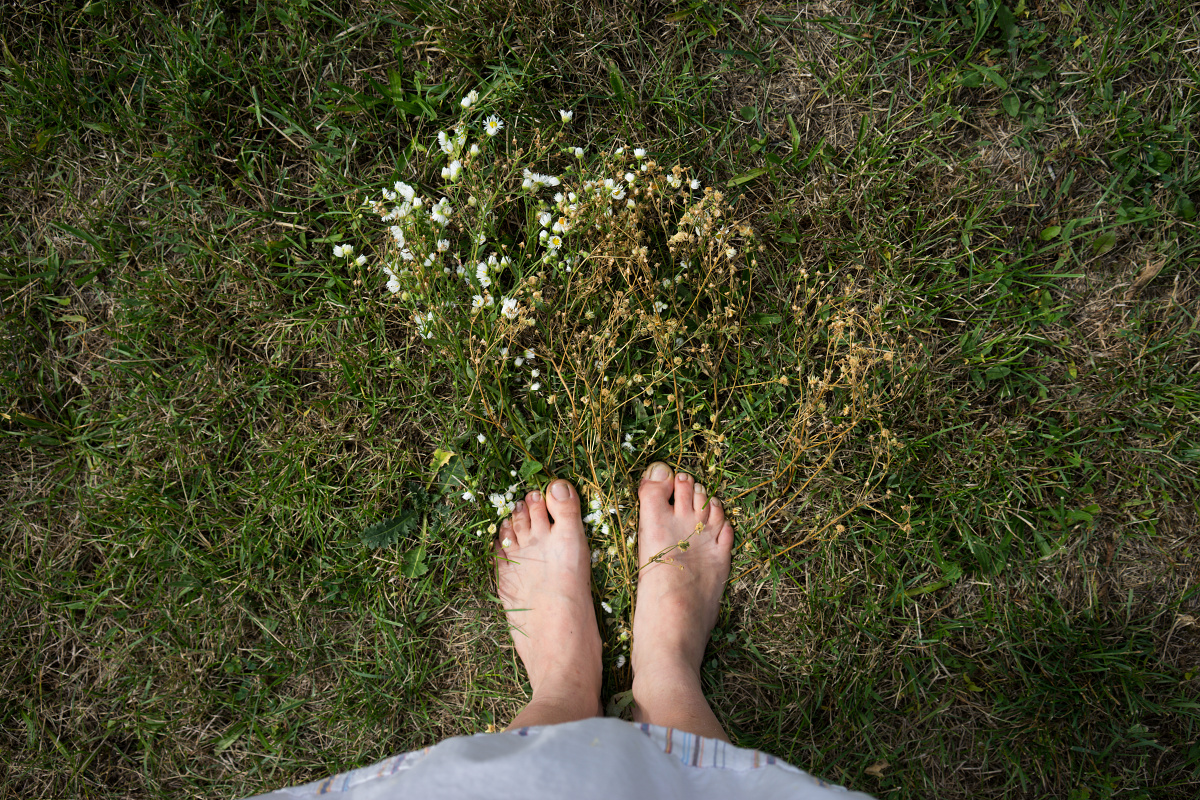


Similarly, working with a similar motif in different settings can be effective. It’s the composition itself that visually connects the images. © Ester Dobiášová
Central composition in portraits
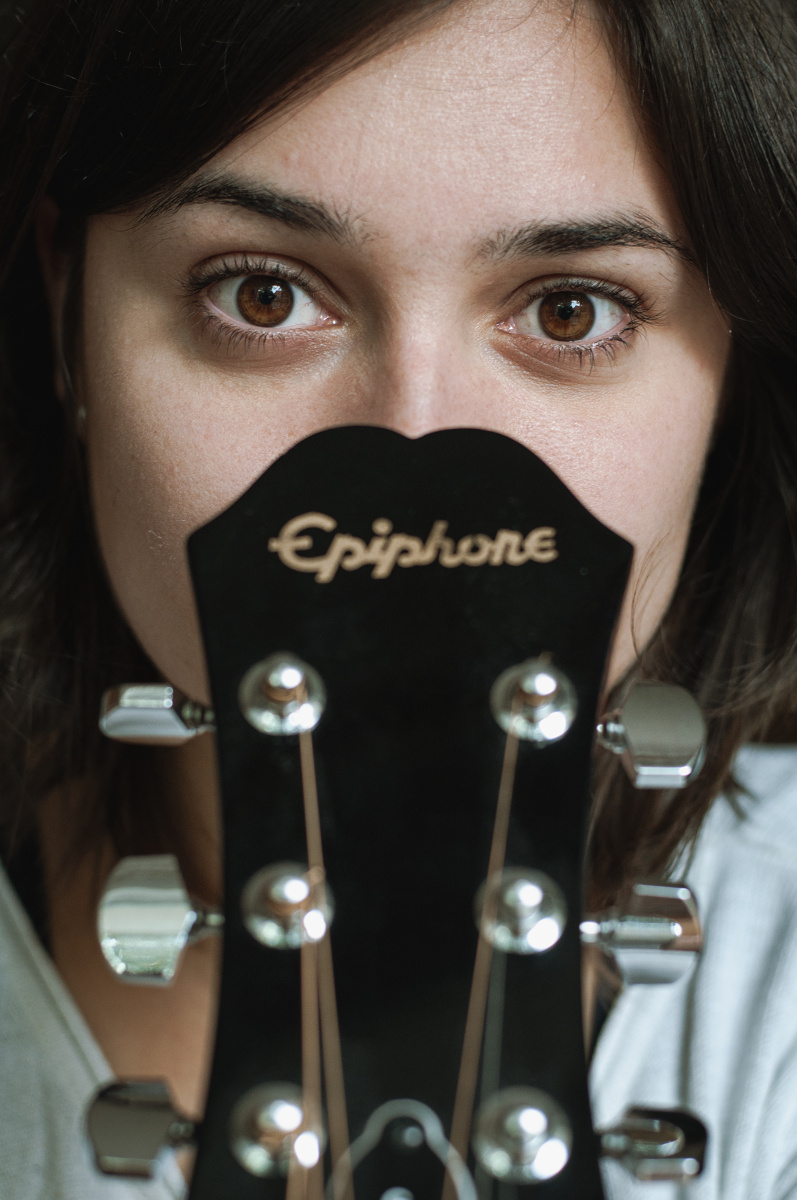
With central composition, a portrait can have a very powerful impact, but its weaknesses are also quickly revealed. It works well when the portrait has a clear focal point. A strong expression, a direct gaze into the lens, and a calm, focused face give the composition meaning. The composition heightens intensity and can feel almost intimate or confrontational. The viewer can’t look away and remains face-to-face with the subject.
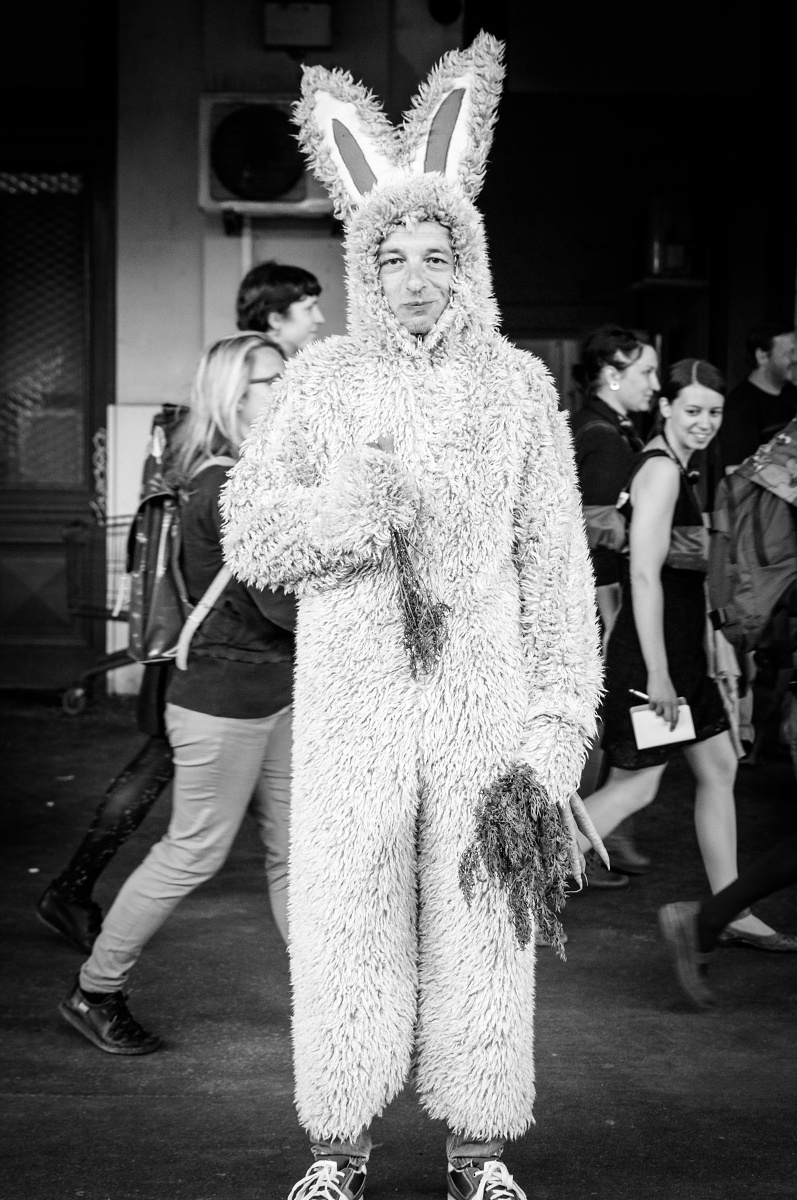
Not only is the photograph divided symmetrically along the vertical axis, but the eyes of the theater audience are positioned along an imaginary horizontal line. © Ester Dobiášová
On the other hand, it doesn’t work when there’s a lack of tension. A neutral expression combined with flat lighting, a distracting background, and a lifeless pose result in an image that feels dull or overwhelming.


Here we can see two different approaches to taking a dog’s portrait. Both are centered, but the effect is different. © Ester Dobiášová
Horizontal and vertical central composition
Central composition is often automatically associated with vertical formats. However, it can work well in horizontal orientation as well—especially when the image has a clear axis.

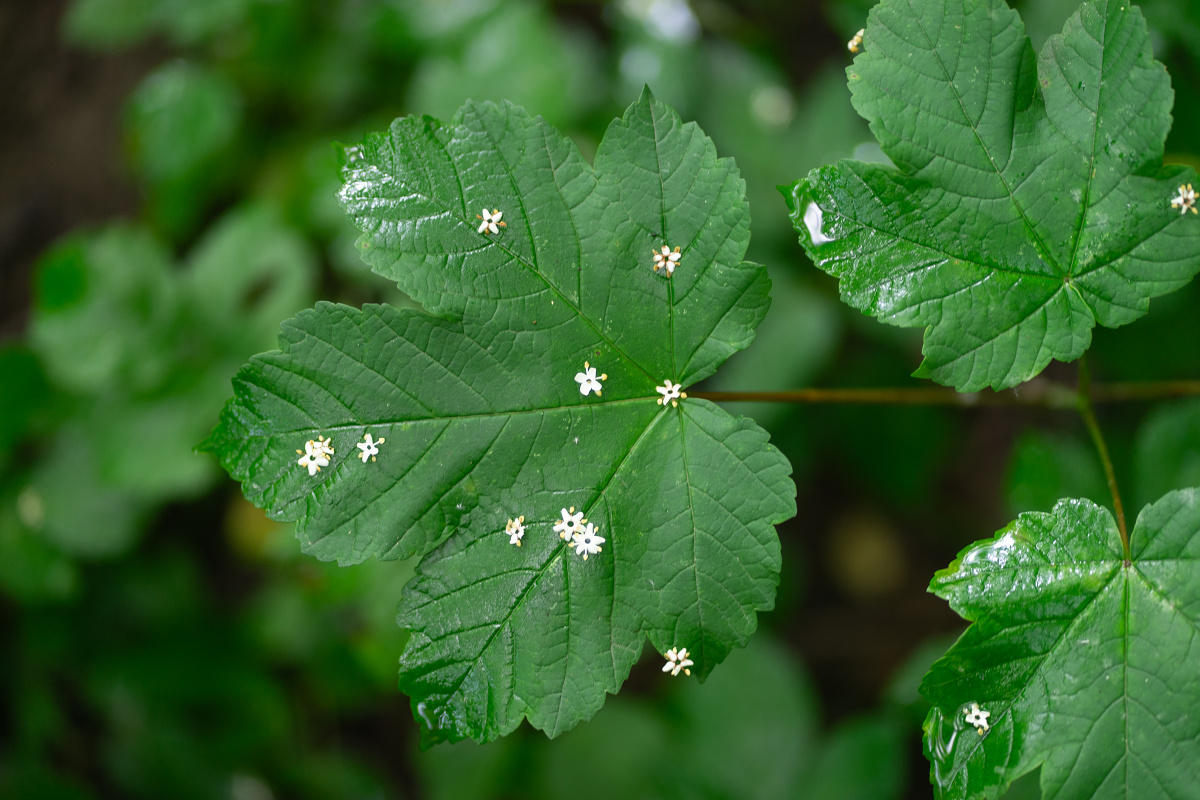
© Ester Dobiášová
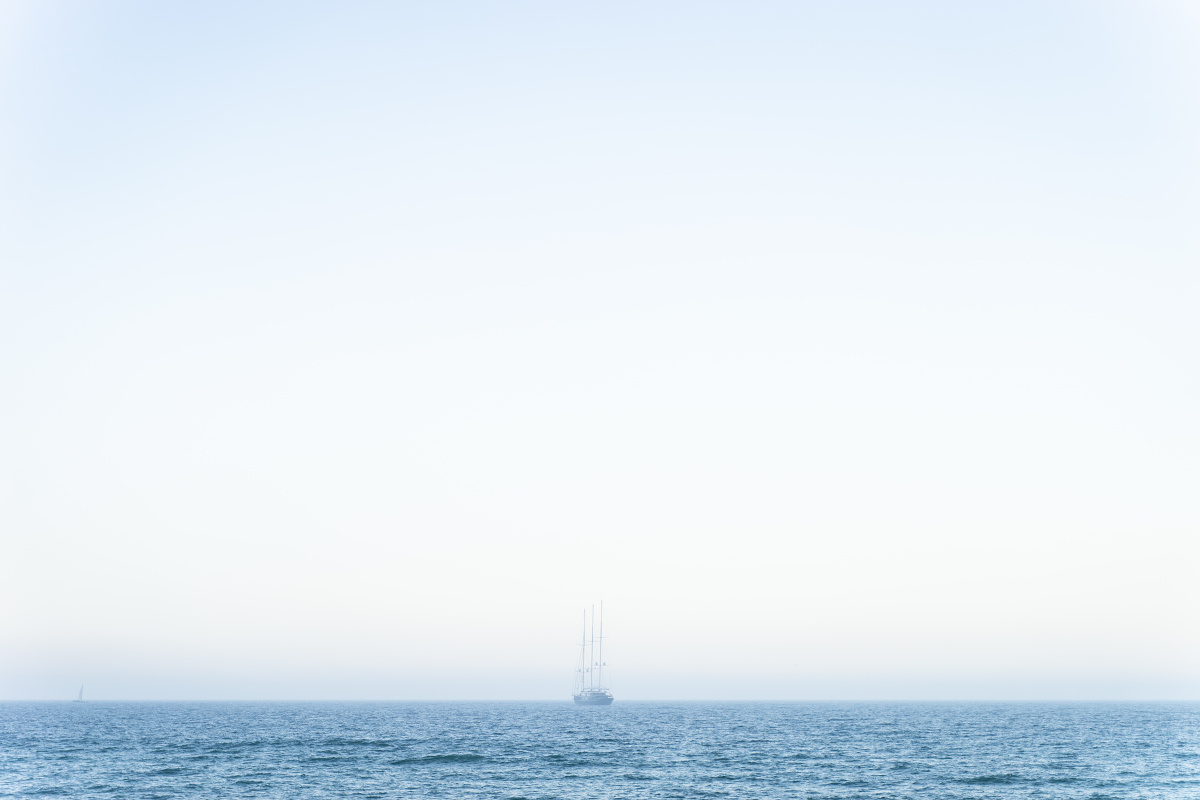
But you must be careful, especially with landscapes. A horizon placed exactly in the center of the image often looks static and lacks tension. In these cases, the rule of thirds usually works better, as it makes the image more dynamic.
Tips for dynamic central composition
For a central composition to work effectively over time, it’s crucial to work with subtle variations that bring the image to life.
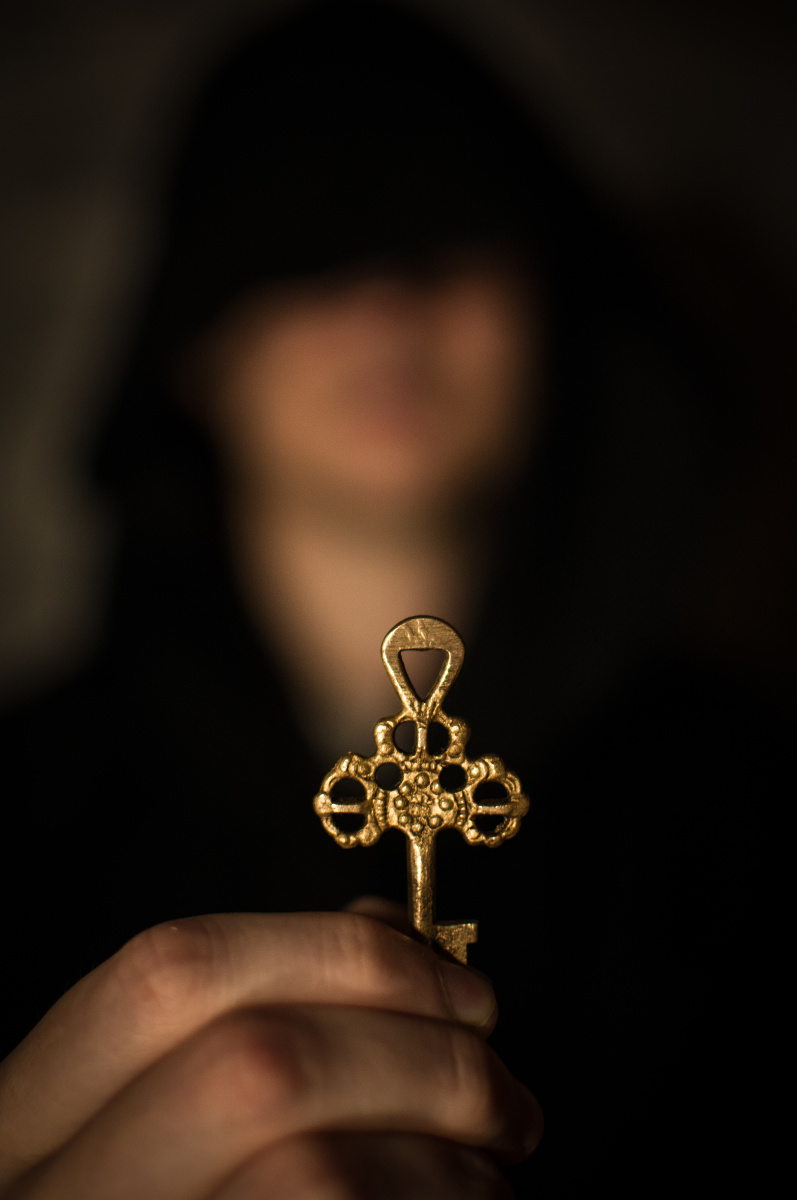
One approach is to break up the symmetry using a small detail. This can be a person entering an otherwise empty space, light falling on only part of the scene, or a small element that slightly shifts the axis.
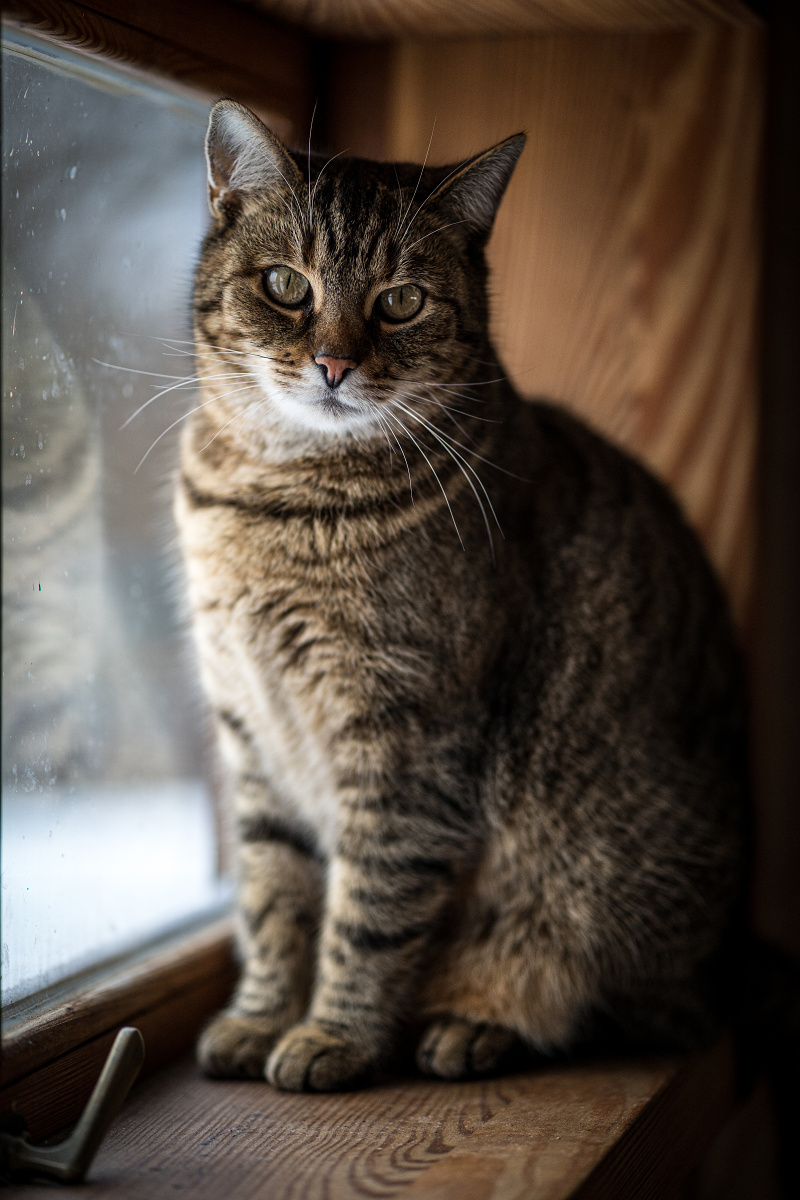

The first image is a portrait of a cat in a central composition that doesn’t stand out much. However, notice the reflection in the window, which I used in the second shot. Here, an imaginary line running through the center of the photo separates the cat from its reflection. © Ester Dobiášová
Finding inspiration
A source of inspiration can be films by Wes Anderson. His films are known for their consistent use of central composition across scenes. It’s the visual language through which he tells his stories. He works with color, repetition of motifs, and the precise visual rhythm. His work clearly shows that central composition is not boring—quite the opposite.
FAQs
What are the main advantages of central composition?
Central composition brings harmony, stability, and a clear focal point to a photograph. When used appropriately, it can emphasize solitary subjects, a scene’s symmetry, or expression in a portrait.
When is it appropriate to use central composition instead of the rule of thirds?
Central composition works well in symmetrical scenes, minimalist shots, and portraits with a clear focal point. The rule of thirds is better suited for more dynamic and less formal compositions.
How can you avoid central composition looking boring?
Break up perfect symmetry with small details—movement, light accents, people, or objects that slightly shift the axis, adding tension and depth.
Can central composition work for landscapes?
Yes, especially when the landscape features a solitary subject, a clear axis, or a minimalist setting. However, be careful with horizon placement in landscapes so the image doesn’t feel static.
Is central composition suitable for portraits?
Yes, if the portrait has a clear focal point, such as striking eyes or a strong expression. Central composition then emphasizes intensity, intimacy, and a direct connection with the viewer.