

How to Take Better Travel Photos
The internet is full of photos of famous places. If you want to bring home truly unique images from your travels, how you approach photography and observe your surroundings matters more than the gear you carry. In this article, I share tips on resisting the allure of iconic places, why traveling with just one camera and one lens can be liberating, how to approach different cultures, and when it pays to step outside your comfort zone.
In this article, you’ll learn:
- Why you should explore beyond famous landmarks when traveling.
- How to answer the question of why you travel and take photos.
- Why you should bring just one camera and one lens.
- How to approach different cultures as an observer rather than a judge.
- Why it sometimes pays to step outside your comfort zone.
- How to find unusual angles, even at famous landmarks.
I’ve been an avid travel photographer for two decades now. During that time, I’ve experimented with a wide variety of approaches and techniques for capturing the cultures and landscapes I encounter on my travels. Yet all of these experiences have led me to a single conclusion: Simplicity is key.
Today, I travel with a lightweight Sony A7 II and a standard lightweight lens. I’m no longer interested in getting perfect shots of famous places bathed in the most perfect light or sophisticated compositions. I find greater pleasure in observing simple scenes, everyday interactions between people, and ordinary rural landscapes. I also always try to let go of expectations about how things should look and learn to accept whatever comes my way.

In this article, I won’t be covering technical advice about the golden hour, the importance of light, or the principles of composition and color harmony. Instead, I focus on the approach to travel photography itself and the importance of thinking a shot through, careful observation, and taking in your surroundings.

1. Resist the temptation to photograph only iconic places


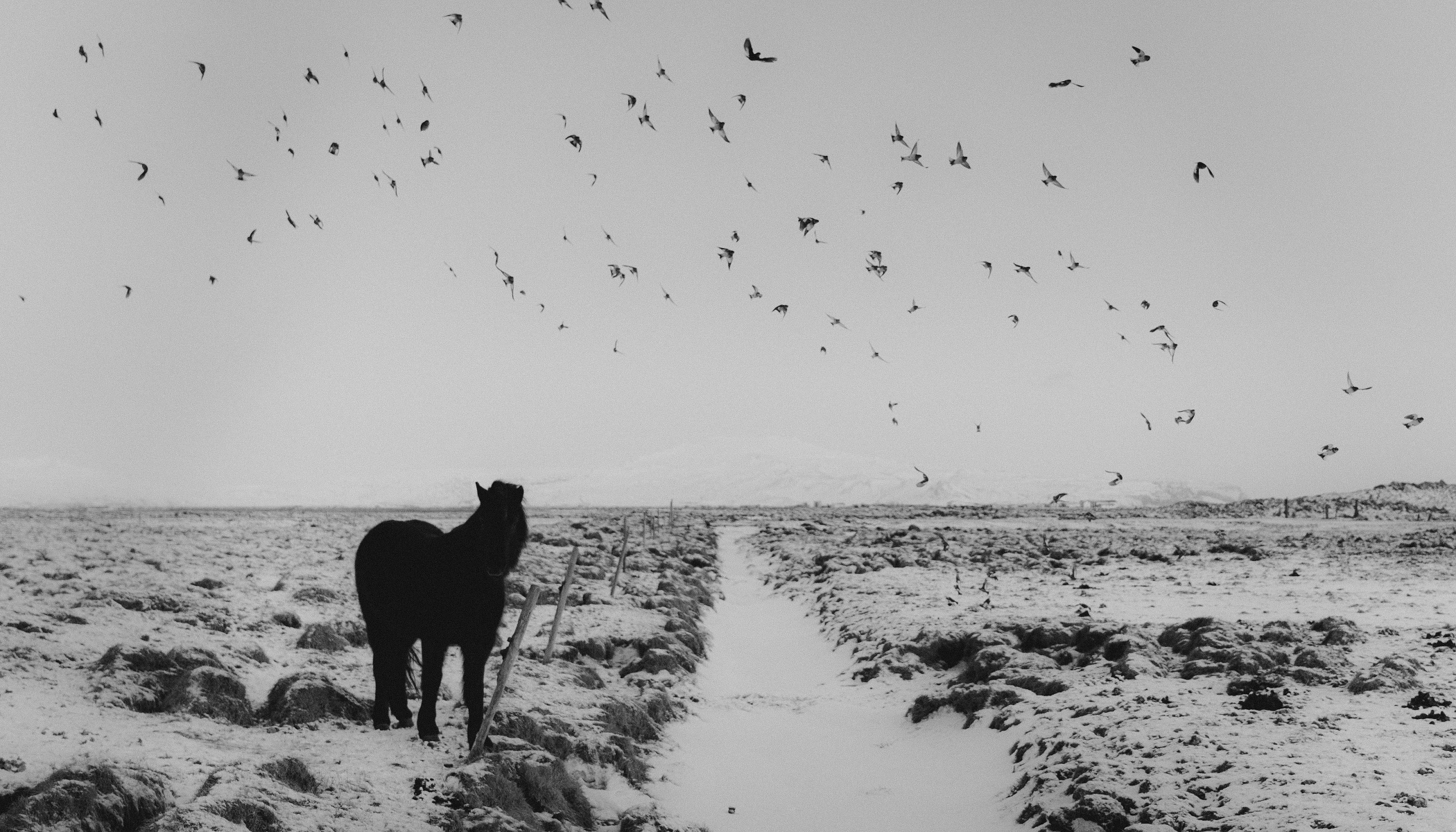
Iceland. © Ondrej Čechvala
You can find countless beautiful photos of iconic places on Google and travel blogs. You definitely will want to include some of these places in your itinerary. However, try not to limit yourself to famous landmarks. Explore the country you’re visiting more deeply, and you’ll discover places that are just as beautiful but far less crowded. You’ll also get a more authentic experience.

Take Iceland, for example. The country has plenty of famous, picturesque waterfalls that attract large numbers of visitors. But there are dozens, maybe even hundreds, of other waterfalls that are just as beautiful but much less well-known.
They may take longer to get to and you may have to find them on a map yourself. They might not even be quite as spectacular at first glance. But what is spectacular is the inspiring silence and authentic wilderness. Or take the iconic Machu Picchu, a lifelong dream for many travelers. Latin America is full of many pre-Columbian sites with incredible atmosphere, and you might find yourself exploring them completely by yourself.
2. Why do I travel?


Abandoned mountain hut in Montenegro. © Ondrej Čechvala
This philosophical question is worth asking at the very beginning of your photographic journey. Are you drawn to particular natural landscapes? Do you enjoy architectural diversity? Do you like observing people on the street, or do you want to interact with them? Try to let go of the urge to just take pretty pictures. The internet is already full of perfect photos. Try to figure out what you truly enjoy about traveling, what makes it meaningful, and let that guide your photography.

Here are two examples. Two years ago, I visited Florence. What did I enjoy most? It wasn’t the monumental basilica on the main square or even the famous bridges spanning the Arno River. It was an ordinary street far from the city center where I spent the morning watching local residents on their way to work. More recently in Chiang Mai, I chose to visit a temple on the outskirts of town instead of the famous Buddhist temples. It was under construction, and a local artist was painting the walls depicting the life of Buddha.
3. One camera and one lens

Wondering what photography gear to bring on your trip? If you’re unsure whether you’ll need a certain piece of equipment, it’s probably best to leave it at home. The more gear you carry, the more it weighs you down and limits you while traveling. Bring one lightweight, compact camera body and one lens—ideally a prime lens.
Traveling can be tiring even without lugging around heavy photography gear. The lighter your gear, the more ground you can cover on foot. The simpler your setup, the more you can focus on your subject and the moment itself instead of worrying about which lens is best for the situation.
4. Embrace the joy of travel

Don’t forget how fortunate we are to be able to travel. Enjoy the interactions and encounters you experience along the way and try not to judge what is better or what is worse. In Japan, for example, strict rules and social conventions govern many aspects of daily life. Gestures we consider normal in our own relationships may be taboo in Japanese culture. Costa Rica, on the other hand, has a “pura vida” philosophy. People hug, express emotions openly, and take their time with things. Which way of life is better? It’s impossible to say. Each culture has its own context and complexities. Try to embrace these differences and experience them as an observer rather than a judge.
5. Step out of your comfort zone


Bangkok. © Ondrej Čechvala
I’ve often found myself in the most interesting situations when things didn’t go according to plan: sleeping on a park bench, getting lost, unexpectedly hitchhiking, or meeting strangers. Of course, safety should always come first, but if you strictly stick to your carefully planned itinerary, you can miss out on unexpected experiences. These unplanned moments can lead to your most interesting photographs.
6. Look for unusual angles

If you’re still drawn to famous tourist attractions after reading this article, that’s perfectly fine. You can still take unique travel photos at famous landmarks. Try to avoid the typical angles that everyone else uses. Instead, try to capture the place in an unexpected moment or unusual light. Stop, look around, and challenge yourself to capture the place from a fresh perspective.
FAQs
Why should you go beyond famous landmarks when taking travel photos?
Famous landmarks tend to be crowded, and the photos end up looking very similar. By exploring your destination more deeply, you can discover less-visited places that may be just as beautiful and offer a more authentic experience.
What camera gear should I bring when traveling?
All you need is a lightweight, compact camera body and one lens—ideally a prime lens. If you’re unsure whether you need a certain piece of equipment, it’s best to leave it at home. Lighter gear lets you cover more ground and focus more on the moments you’re trying to capture.
How can you develop your own approach to travel photography?
Ask yourself why you travel. Are you drawn to natural scenery, or do you enjoy observing people on the street and interacting with them? Try to let go of the urge to capture that perfect picture and focus on what you genuinely enjoy about traveling.
How should you approach different cultures when traveling?
Embrace cultural differences and try to experience them as an observer rather than a judge. Every culture has its own context and complexities. For example, Japan has many strict rules and social conventions, while Costa Rica’s pura vida philosophy reflects a different approach to life— people hug, express emotions openly, and take their time with everything.
How can you photograph a famous place in a unique way?
Avoid the typical angles everyone else uses. Try to capture the place in an unexpected moment or in unusual light. Take a moment to stop, look around, and see the landmark in a truly unique way.


There are no comments yet.