Kevin Bruseby: From His First Point-and-Shoot to His Own Photographic Style
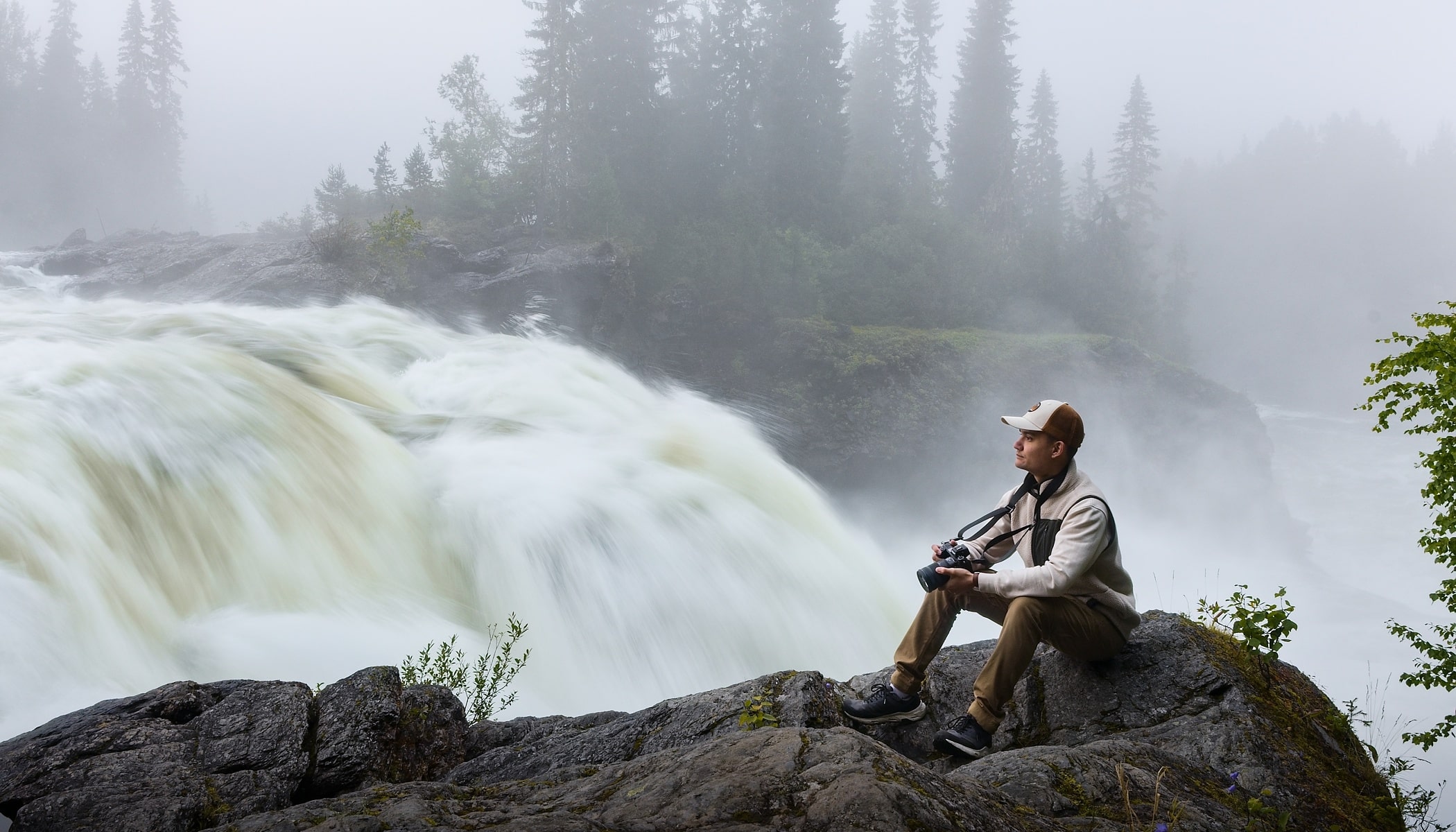
From his first point-and-shoot camera and a childhood fascination with nature to becoming a Zoner Studio ambassador, Kevin Bruseby describes how he found his own direction in photography in this personal story. He also shares why he decided to focus on nature and storytelling, and how editing became an integral part of his creative process.
When I was six, I began developing an interest in nature and weather. My parents often took me on outdoor adventures, and though they were avid photographers themselves, it never crossed my mind to pick up a camera. I was just a kid who loved being outside. Nature was something to explore, not something to capture.
That quickly changed when I got my first point-and-shoot camera at age 13. I suddenly saw the world differently. I started spending even more time outdoors, chasing what I thought were the “best” moments. My biggest motivation was the idea of capturing unique scenes—fleeting moments that would otherwise vanish and go unnoticed forever.

Try everything vs. find your own path
As the years passed, I tried a bit of everything: product photography, interiors, and even weddings. Looking back, that taught me a tremendous amount and gave me a broader understanding of different photography fields. Weddings especially stuck with me. I shot a handful of photos and realized I was pretty good at it. However, I also realized that “pretty good” was as far as I would go if I kept giving it just a fraction of my attention. That was the turning point: when you try to be good at everything, you risk losing the spark that makes you unique.
Instead of chasing multiple paths at once, I decided to go all-in on the two areas where my passion truly lay: nature photography and storytelling.

The three pillars of great photography
Another valuable lesson came later in my career, when I was focusing on the mindset needed to create compelling photos. I have come to believe that great photography rests on three core traits: technical knowledge, the photographer’s vision, and the skill to enhance that vision through editing. A photo works when all three are present, but it falls flat when just one is missing.
This is the insight I wish someone gave me when I was starting out. It would have given me a much clearer sense of direction. Today, it forms the foundation of how I teach through my newsletter and courses. Simplifying the fundamentals of photography is one of the best ways to gain more clarity on what truly makes a great photograph.

From unedited photos to finding my own style
My editing workflow has transformed dramatically over the years. For my first three years, I didn’t do any editing. What came out of the camera was what I shared. It wasn’t until my images started hitting a creative ceiling that I realized I needed to learn how to edit my photos.

I was around 16 when I opened Zoner Photo Studio for the first time, working with an old ZPS 15 subscription. Despite having no idea what I was doing and making random adjustments, I immediately felt the difference editing could make. It became the missing piece I needed to convey the moments I experienced in person through my photos. I continued learning more and more about editing in Zoner and eventually, reached out to the team directly to ask about collaborating.

Growing with Zoner Studio
Working with Zoner Studio, and always having their support, has shaped my growth as a photographer more than I realized at the time. In many ways, I feel like I grew alongside Zoner Studio. As my editing became more advanced, my needs evolved, and Zoner Studio seemed to introduce the exact tools I was looking for right when I needed them.

Masks and local color adjustments are a great example. Over the years, I’ve refined how I use them. I’ve moved away from overusing masks and learned to apply them with greater precision, guiding the viewer’s attention exactly where I want it. During that same time, Zoner continuously improved these tools while adding powerful AI-selection tools to the masks. This upgrade felt natural rather than like a constant battle with my software to get to where I wanted to go.

From a 13-year-old with a point-and-shoot to photographer and educator
Today, my days look much different than they did when I was 13. I create educational content to help other photographers, travel whenever I get the chance, and collaborate with a handful of select brands, all while pursuing my master’s degree in business and economics.

Helping others find their own path
Through my work, I don’t just want to be remembered as someone who took meaningful photographs. I want to help others find their own path to photography. If I can positively impact even just one person, I consider that a success.
And through it all, Zoner has been there for me every step of the way. Not only as a tool, but also as a partner that has grown alongside me. Wherever my vision takes me next, I know I have the tools to bring it to life.
