Moving Subjects: Capturing the Perfect Moment
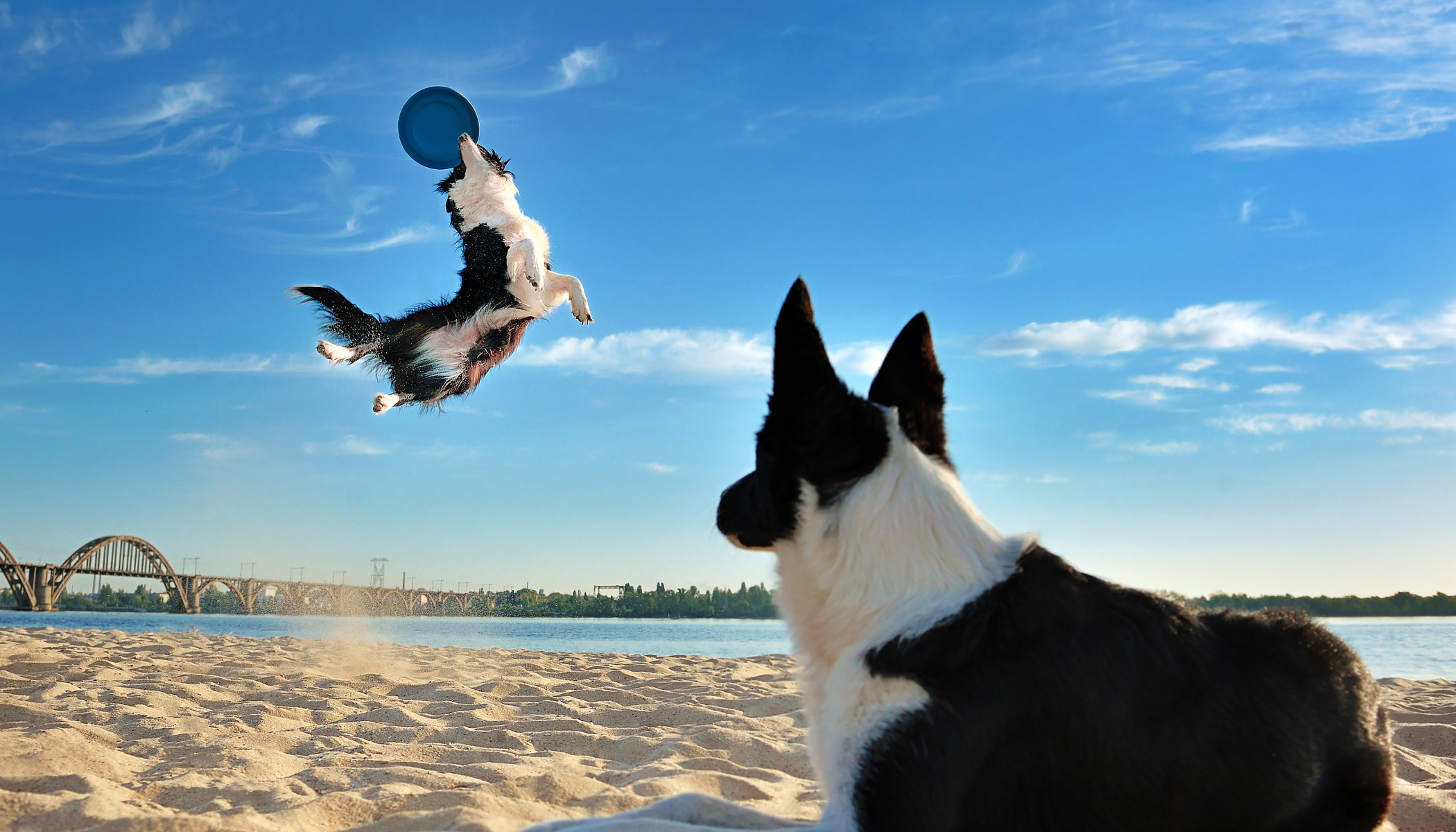
There’s often movement in photos—people walking, animals jumping, things falling, water splashing. Yet motion is also one of the things that causes photographers the most trouble. In this article, I show you how to recognize and capture the moments that make viewers stop and say, “Wow, that’s it!”
In this article, we cover:
- why timing is often more important than camera settings.
- how to recognize and anticipate the peak phase of movement.
- when it makes sense to freeze motion and when to leave it slightly blurred.
- how to work with motion when photographing wildlife, liquids, fire, and portraits.
- why suggesting movement can sometimes be more powerful than showing it completely.
Unlike video, a photo can’t tell a story over time. It can’t show what came before or what will follow. It must choose a single moment that works on its own. The strongest moment in motion is usually one where it’s clear what’s happening and where the movement is headed. The subject has a clear shape, the motion has direction, and the frame doesn’t appear cut off.
A common problem when shooting movement is pressing the shutter button too late. We react to a moment that has already passed instead of anticipating one that’s about to happen. The result is often photos of transitional moments, effects, or stops, where the shape falls apart, and the energy is gone. The most compelling images are usually captured a fraction of a second earlier, just before the peak.

Once you start paying close attention to motion, you notice it begins to repeat itself. Whether you’re photographing running, jumping, a bird in flight, or a liquid splashing, motion has rhythm. Once you learn to read it, you stop chasing random moments and start knowing exactly what you’re waiting for.
The decision to freeze or blur motion isn’t really about the “correct settings.” It’s about what you want to express with the photo. A sharp image works well when the phase of movement itself has a strong shape. Blur, on the other hand, makes sense when it helps the viewer understand the motion and its direction. But if blur destroys the subject’s shape, it’s more distracting than expressive.
Animals—Perfect subjects for motion photography
If you’re a dog owner, you have endless opportunities to practice motion photography. Dogs love to “pose” while playing, especially if you have an assistant who throws the toy why you focus fully on composition and timing.


Liquids: Slow motion, strong effect
The movement of liquids is a topic of its own. Each liquid behaves differently, but the goal is the same: capture the peak moment, or just before it. If you’re just starting out, work with thicker liquids. Their slower movement makes timing easier. Good options include dessert wines, milk or cream, or water mixed with glycerin.

Fire and explosions: Fast shutter speeds and perfect timing
If you’re photographing fire and want to capture its dynamic shape, expect to use very fast shutter speeds. In this case, explosions often produce the most striking results. The basic setup is simple: light a candle, pour flammable liquid (such as acetone or alcohol) into a spray bottle, spray it over the flame, and shoot in burst mode. Then, select the frame with the most impressive fireball.
Safety first. Make sure nothing nearby can catch fire, and always have a wet towel ready.

Movement as a compositional element in portraits
Motion can dramatically change the feel of a portrait. For example, flowing fabric in the background can add energy and direction. If you have an assistant who can help, it’s worth trying. Lightweight fabrics like organza work best.

Not every motion needs to be shown fully. Sometimes the moment just before is enough, other times the moment just after. A photograph often works best when it leaves space for the viewer to infer the movement.


When photographing fast motion without flash, use continuous shooting (burst mode). You can then choose the best frame from a sequence of 10-15 images without having to repeat the action.
Capturing the perfect moment is no accident
A powerful image of motion isn’t pure luck. It’s the result of observation, patience, and a willingness to wait for the right moment. This applies whether you’re photographing people, animals, or everyday objects.
FAQs
How do I know I’ve captured the right moment? The right phase of movement clearly shows what’s happening and still has energy, even without context.
Is it always better to freeze motion with a fast shutter speed? No. It depends on your intent. Sometimes, slight blur can benefit your photo.
Does burst mode help? Yes, very much. It increases your chances of capturing the best moment without repeating the action.
Do I need professional camera gear? No. The ability to observe motion, recognize rhythm, and time pressing the shutter button correctly is far more important than your equipment.