Sigma 35/1.2 DG II Art Review
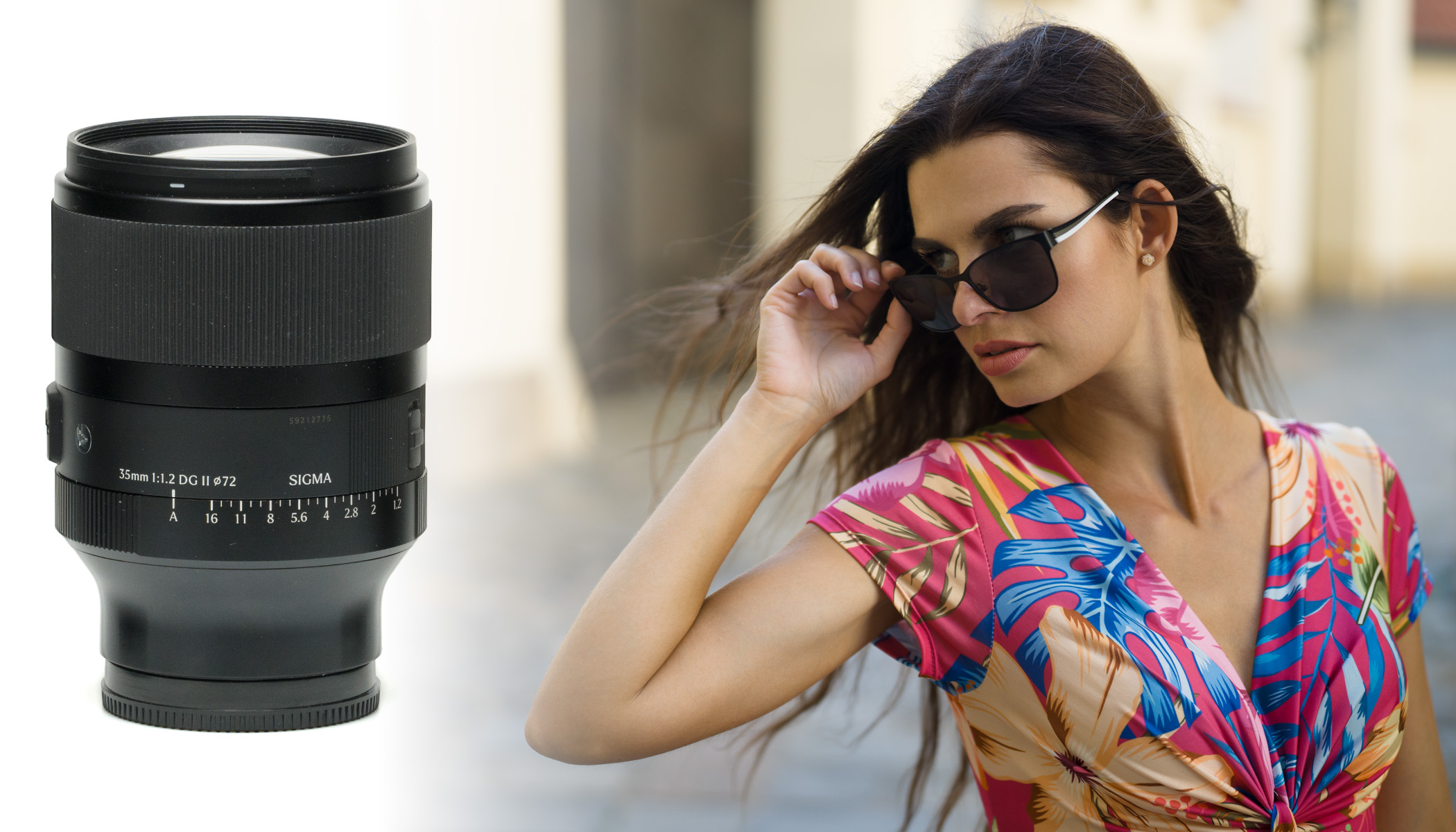
The Sigma 35/1.2 DG II Art is the second generation of Sigma’s fastest 35mm lens for mirrorless cameras. Compared to its predecessor, it’s significantly lighter and more compact. After several thousand photos from five different weddings, I’ll share how the lens performs in terms of sharpness, bokeh, autofocus, and real-world handling—and whether this expensive, specialized lens is worth choosing over a lighter and more affordable f/1.4 alternative.
In this article, you’ll learn:
- How much the size of the Sigma 35/1.2 DG II Art differs from its predecessor.
- Image quality and lens sharpness at a fully open f/1.2 aperture.
- How the lens handles focusing for portraits and group shots.
- Why an extremely short shutter speed can cause problems with such a fast lens.
- How the type of shutter (mechanical vs. electronic) affects bokeh quality.
- If it’s worth splurging for the f/1.2 or if the cheaper and lighter f/1.4 is sufficient.
Lenses with an f/1.2 aperture represent the cutting edge of optical design. They capture a lot of light and produce strong background blur, but they’re also expensive and bulky. Is it worth investing in one when there are so many slightly slower, lighter, and less expensive options available?
Extremely fast lenses like this are specialized tools aimed at professional photographers or dedicated enthusiasts. Even if you’re not planning to buy one, it’s interesting to see how advances in optical design and manufacturing have transformed this market segment in recent years.
Why I bought the Sigma 35/1.2 II
My goal was to find my new primary lens for wedding photography. I previously used the Sigma 35/1.4 DG HSM Art for DSLRs and captured roughly 75% of my wedding photos with it.
Later, I switched to the remarkable Tamron 35-150mm f/2-2.8—which I’ve already reviewed. It’s surprisingly fast and incredibly versatile. Thanks to its zoom range, it allows me to capture photos that would otherwise require switching cameras or changing lenses.
Then, Sigma released the second-generation 35mm f/1.2 lens for full-frame mirrorless cameras. It was much lighter than lenses in its class, making it a realistic candidate to replace my Tamron zoom lens as my go-to lens.
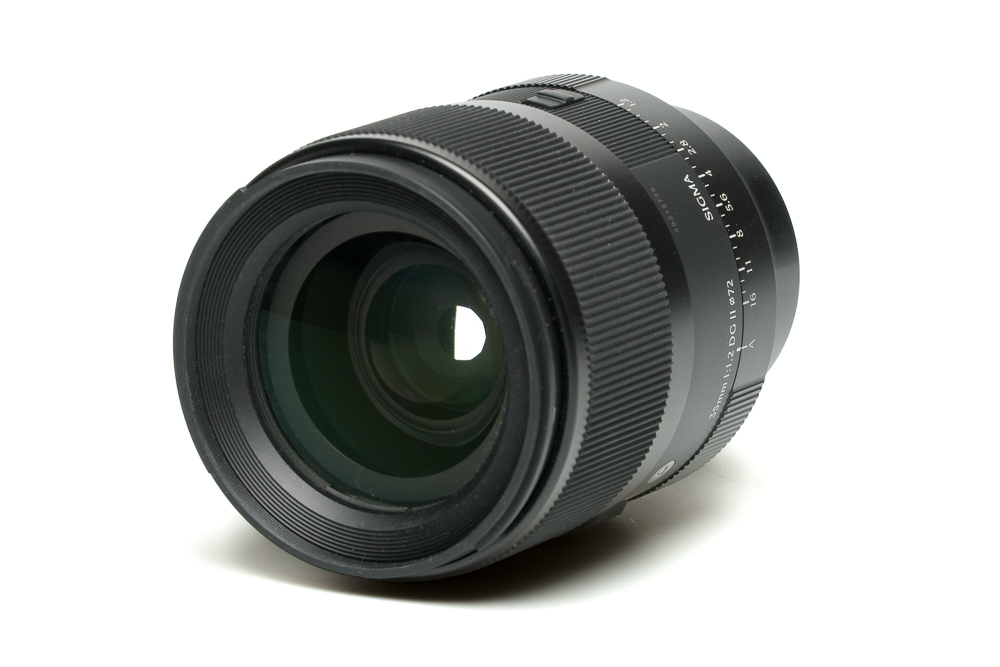
I’m writing this review after having photographed my first five weddings, totaling several thousand photos.
Size and weight
This is the first thing that stands out. With an f/1.2 aperture, you’d expect a fairly heavy lens, but Sigma has managed to keep the weight down to just 745 g. That’s a substantial improvement over the previous version which weighed 1,090 g.
The lens is also noticeably shorter. Its length has been reduced from 136 mm to 111 mm.
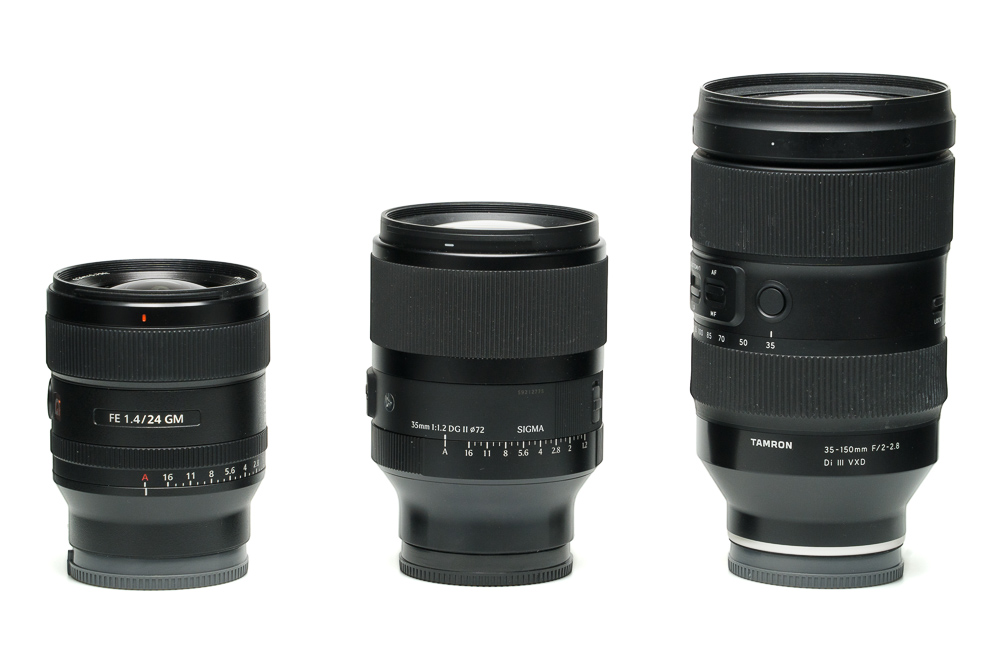
The specifications are now much closer to those of many 35mm f/1.4 lenses. In practice, it’s still a substantial piece of glass in your hand, but it’s comfortable enough to use for a full day of shooting.
Image quality
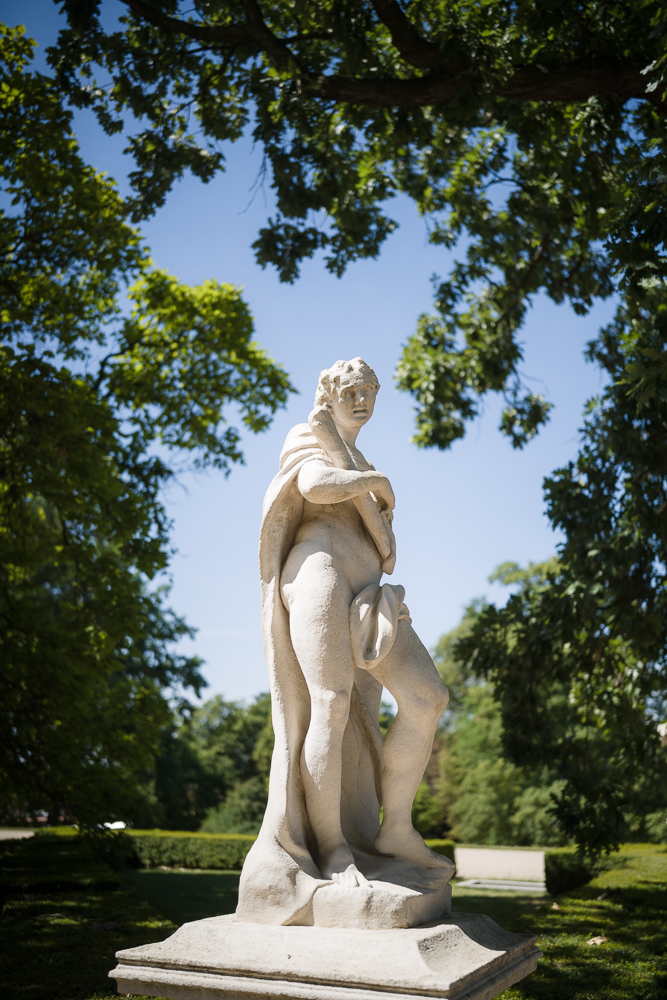
The Sigma 35/1.2 II is exceptionally sharp. Even at f/1.2, it resolves every detail in 60-megapixel images. Sharpness drops off slightly at the edges, but remains very good. In addition, edge-to-edge sharpness is rarely critical for the type of photography this lens is designed for, with the exception of astrophotography.


On the other hand, a heavily blurred background is exactly what photographers expect from a lens like this. The viewer immediately sees what is in focus, and the rest fades into a smooth, pleasing blur. The bokeh is excellent. Unfortunately, I don’t currently have a 35/1.4 lens to show you, but below is a comparison with a 35/2 from the Tamron 35-150/2-2.8.


Sigma 35/1.2 II at f/1.2 versus the Tamron 35-150/2-2.8 at f/2. The Tamron likely has a slightly narrower angle of view, and the lens itself is physically longer, so when mounted in the same position on a tripod, it sits forward slightly. That should help it, but even so, the blurring is much more noticeable with the Sigma.
Autofocus
Depth of field at f/1.2 is very shallow, so accurate autofocus is essential. Fortunately, modern mirrorless cameras are capable of eye tracking. During normal movement, autofocus performance was excellent. For fast-paced dancing and action, I stopped down to a higher f-number to increase my margin for error.
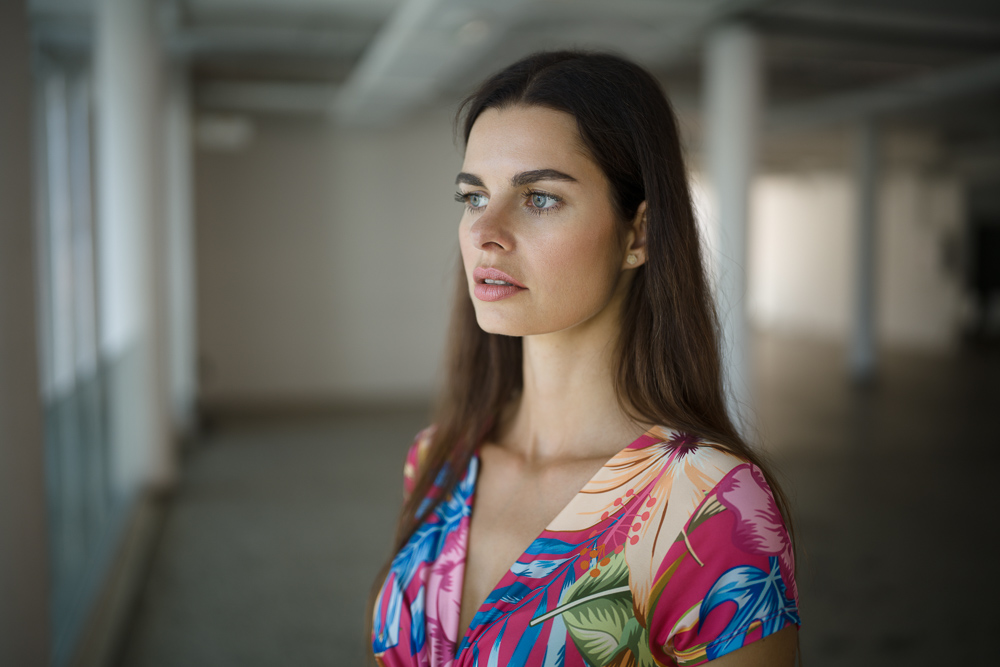
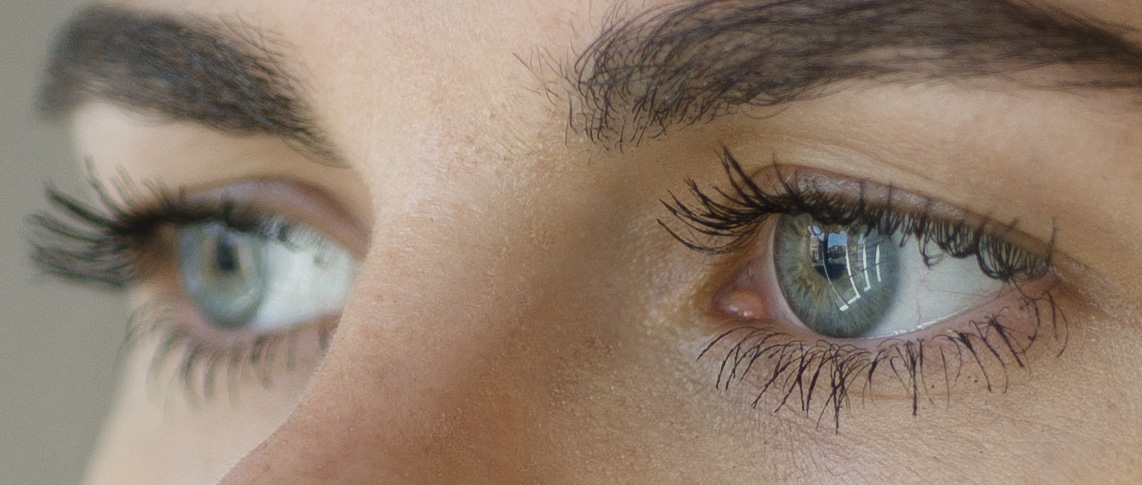
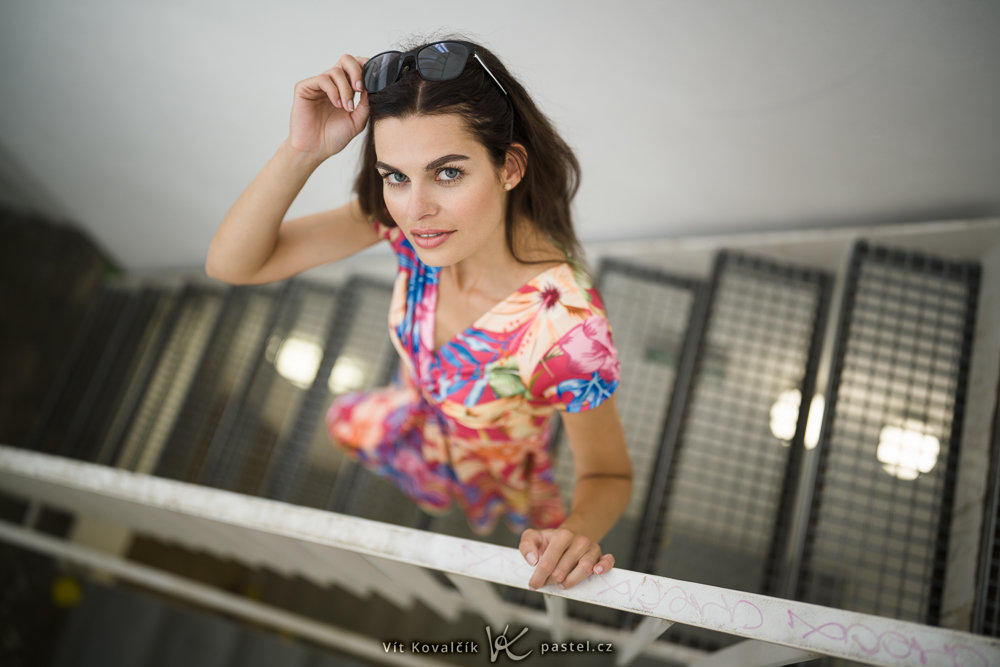
The situation becomes more challenging when you’re photographing two people and trying to keep both in focus. This is possible for full-body shots from farther away, but for close-ups, a higher f-number is the safer option. The Sony A7R V camera is partly to blame for this. It has a great viewfinder where you can see every tiny detail—but only until you start focusing. Then the resolution drops and even setting the viewfinder to high image quality doesn’t help.
Since I keep the focus button pressed almost constantly when photographing people, I don’t get to enjoy the highest-quality image and can’t rely on it for guidance. The autofocus system is reliable—one person is in focus—but beyond that, I can only guess how sharp the person standing next to them is.
Fast shutter speeds
Even with my older 35/1.4 lens, I occasionally found that 1/8000 s—the fastest shutter speed for many cameras—wasn’t enough. I decided to increase the f-number to avoid overexposure. I expected the faster 35/1.2 to make this issue even more common and assumed I’d need an ND filter.
Surprisingly, that hasn’t been the case. About 5% of my photos were captured at 1/8000 s, and even though warnings occasionally appeared in the viewfinder, I was always able to recover enough detail from the RAW files during editing.
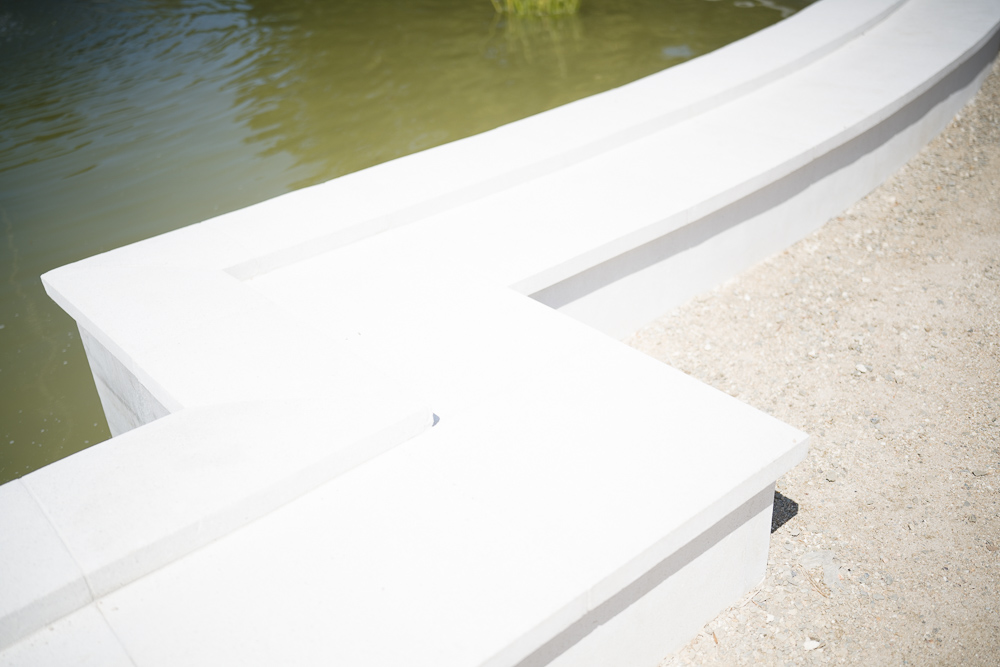
A challenging situation: a white rock in the midday sun. Even a shutter speed of 1/8000 s wasn’t enough, and the white part was flashing in the viewfinder. But I was still able to darken the RAW file and recover the fine details.
Photographers using cameras limited to 1/4000 s may encounter this problem more frequently. In the future, when hopefully electronic shutters are standard, shutter speed will increase and eliminate the issue altogether. Some cameras can already reach shutter speeds between 1/16,000 s and 1/80,000 s.
Shutter type
There’s also one more issue to consider. Using an electronic front-curtain shutter together with a mechanical second curtain can negatively affect bokeh at shutter speeds faster than roughly 1/1000 s.
Since my main goal in using a lens like this is to maximize background blur, I switched to a fully mechanical shutter despite the additional noise.


On the left, bokeh when combining an electronic front-curtain shutter with a mechanical second curtain—the lower part of the swirls is missing. On the right, proper bokeh with a fully mechanical shutter.
On the other hand, I could use a fully electronic shutter, but that comes with its own set of issues, so I avoid it. While I won’t get into details here, the entire issue is covered in this article on mechanical and electronic shutters.
Vignetting
Dark edges are common with fast lenses, but the vignetting here is particularly noticeable. Fortunately, it isn’t a problem in most shots and actually draws the viewer’s eye toward the center where the main subject is.

However, I was used to adding a bit of vignetting to my photos. Here, the situation is reversed: I leave only the natural vignetting and I only partially remove it when issues arise.
Does the f/1.2 make sense?
There’s an old saying that if a newspaper headline asks a question, the answer is usually “No.” In this case, my answer is “Maybe.”
The Sigma 35/1.2 II produces beautiful images, but its sibling, the Sigma 35/1.4 II, also performs well. I don’t own the latter lens, but to illustrate, here’s a comparison of f/1.2 and f/1.4 on the same Sigma 35/1.2 II lens. It’s not entirely representative—a comparison with a different lens would be more accurate—but even this gives you an idea:


The f/1.2 (left) and f/1.4 (right) on the same Sigma 35/1.2 II lens. The difference is mainly in the center of the image. Vignetting affects the image edges, where the difference would likely be more noticeable when compared to the 35/1.4 lens.
In many situations, I probably wouldn’t be able to tell the two photos apart myself. However, from a technical standpoint, an f/1.2 lens represents the best image quality currently available in this category. That extra bit of performance can occasionally make a difference. Most viewers will never know which lens was used for a particular photo, but when looking through hundreds of wedding images, they may subconsciously notice the stronger subject separation and smoother bokeh.
Recommendation
An f/1.2 lens is no longer the prohibitively expensive and impractically heavy piece of equipment it once was. You won’t get buyer’s remorse with this lens.
That said, we’re approaching the limits of optical engineering, where significant price increases often deliver only minor improvements in image quality. For most photographers, even an f/1.4 lens is an excellent choice. Those looking for an even lighter and more affordable option should also consider the 35mm f/1.8 lenses available today. In the end, it comes down to your chosen composition and your creative vision.
FAQs
How heavy is the Sigma 35mm F1.2 DG II Art?
According to the manufacturer, it weighs 755 g, which is about 30% lighter than its predecessor (1090 g). The length of the lens has also been reduced by approximately 20%.
How does the Sigma 35/1.2 DG II Art differ from its predecessor?
In addition to its significantly lower weight and more compact design, the new version offers improved optical performance, a floating focus system with two independent focusing groups, and a smaller filter thread diameter (72 mm instead of the original 82 mm).
Does the lens have a problem with shutter speeds that are too fast?
With extremely fast lenses, even the camera’s shorter mechanical shutter speed (usually 1/8000 s) may not be enough in bright light, risking overexposure. In practice, this can be resolved without an ND filter, simply by slightly darkening the RAW file during editing.
Does the shutter type affect the bokeh quality?
Yes. The combination of an electronic first shutter curtain and a mechanical second shutter curtain generally degrades the shape of the bokeh at shorter shutter speeds (below 1/1000 s), cutting off parts of the swirls. A fully mechanical shutter prevents this issue, although it is slightly noisier.
Is it worth buying the f/1.2 lens or is f/1.4 enough?
For most photographers, an f/1.4 lens is perfectly adequate—it’s also cheaper and lighter. An f/1.2 lens makes sense primarily for professionals who are concerned with the finest details in sharpness and bokeh, even though the difference is often imperceptible to the viewer.