VIDEO: How to Master Composition in Landscape Photography
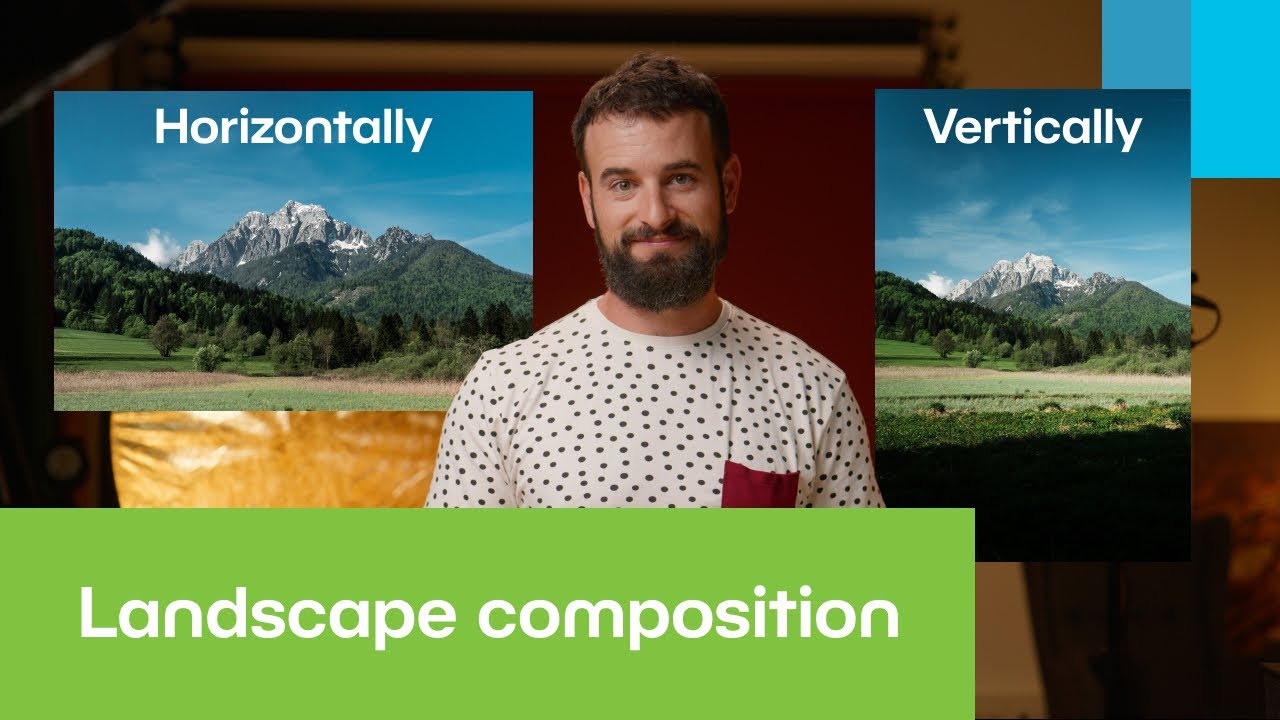
Landscape photography isn’t just about capturing nature as we see it. The key to creating an image that grabs attention and tells a story is thoughtful landscape composition. The right composition can transform even an ordinary scene into a breathtaking photograph. We’re bringing you practical tips on how to approach it, along with links to additional articles where you can find even more inspiration.
Photographing landscapes isn’t simply about documenting a scene—it’s a way to convey the atmosphere of a place and evoke emotion. Strong landscape composition guides the viewer’s eye, highlights the main subjects, and creates a harmonious and visually compelling image. Even small changes in angle, framing, or subject placement can turn an ordinary photo into one people will remember.
Landscape Orientation: Horizontal or Vertical?
When photographing landscapes, most people automatically choose horizontal orientation to capture as much space as possible. Sometimes, however, the opposite approach works better. If your scene includes a tall object—such as a mountain or a tree—vertical orientation can emphasize its grandeur. Likewise, a long road stretching into the distance can look more striking in vertical format and add depth to the image. Learn more about this approach in the article A New Angle on Landscape Photography: Try turning your camera!
The Rule of Thirds and the Golden Ratio in Landscape Composition
One of the fundamental rules that will help you when shooting landscapes is the rule of thirds. Based on the golden ratio, it suggests placing your main subject not in the center, but at the intersections of imaginary dividing lines. A tree or small chapel that might appear ordinary in the center instantly becomes more dynamic. If you place another element—such as the sun, moon, or a prominent rock—on the opposite side of the frame, you’ll create a balanced and visually appealing image. Read more about this in the article Composition: Everything You Need To Know About the Golden Crop and the Rule of Thirds.
Symmetry and Balance in Landscapes
Symmetry appears only rarely in nature—which is exactly why it feels so powerful in photographs. If you can capture mountain reflections in a lake, a road lined with trees, or a bridge, you’ll create a balanced and harmonious landscape image. Symmetry brings order and elegance to a photo. Learn more about working with geometry in the article Want Perfect Landscape Compositions? A Little Geometry Can Help.
Lines as Guides for the Viewer’s Eye
Lines are one of the strongest compositional tools. They guide the viewer’s eye through the entire frame and add depth to your image. When photographing landscapes, look for roads, rivers, horizons, or rows of trees. Use them horizontally, vertically, or diagonally. Always make sure your horizon is straight—this can also be fine-tuned during editing if needed. You’ll find more practical tips in the article Composition Rules—Practical Tips for Better Photos.
Composition is one of the most important elements in landscape photography. Experiment, learn from both your successes and mistakes, and use every shot as an opportunity to move a little further forward.