7 Photography Rules You Can Break Guilt-Free
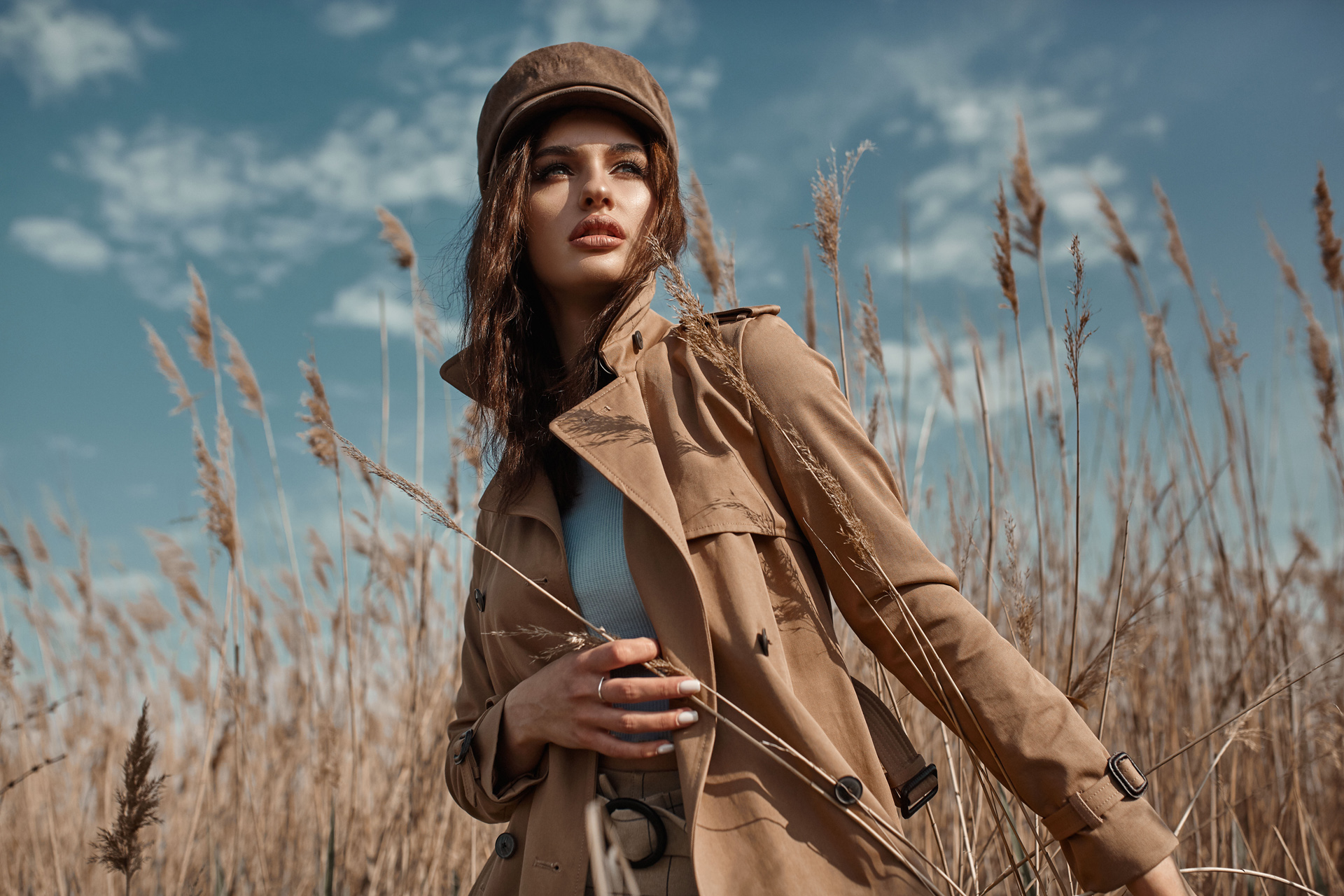
Photography is full of rules. Some make perfect sense, while others are repeated so often that we start taking them as the gospel truth. But is taking photos at midday really a big no-no? Do you always need to leave space in front of your subject’s face? Let’s look at 7 photography rules, why they exist, what they’re meant to prevent, and what happens when you break them.
In this article, you’ll learn:
- Why midday can be a great time to take photos.
- When a tight composition can be effective.
- Why cropping at the joints isn’t always a mistake.
- How to create compelling portraits without showing the subject’s eyes.
- Why lens flare from shooting into the sun isn’t always a flaw.
- How hard light and direct flash can create striking portraits.
1. Don’t take photos at midday
When the sun is high in the sky, it can cast harsh shadows under the eyes, nose, and chin. The high contrast can make you lose details, giving your model “panda eyes.” In landscape photography, the harsh light often creates a flat scene that lacks atmosphere. This is why photographers are usually advised to wait until morning or evening.
What happens when you break this rule?

Midday sun has plenty to offer, too. It creates sharp shadows, graphic patterns, and striking contrasts. Try looking for light between buildings, photographing silhouettes, or making shadows the main subject of your image. You might suddenly discover that the light everyone tells you to avoid opens up a whole range of possibilities. If you’re shooting a portrait, you can position your model in the shade or let the sunlight illuminate only part of their face. The result might not be a traditionally flattering portrait, but it certainly adds an element of drama.
For landscapes, softer light is often preferable as long as it’s not a city scene with modern architecture. Harsh sunlight can be an excellent choice for modern architecture.
2. Always leave space in front of your subject
When someone is looking or running in a certain direction, it’s a good idea to leave some space in front of them. This is one of the most popular rules of composition. For example, if you photograph a runner at the right edge of the frame, running out of the shot, it will look like they’re about to crash into a wall.
What happens when you break this rule?

A lack of space in front of the subject can add tension to a photograph. A subject looking directly toward the edge can appear anxious or trapped, as if they have nowhere to run. And sometimes the effect can even be funny. Imagine a dog staring straight ahead, its snout almost touching the edge of the photo. You don’t always have to leave space around the subject just because that’s what the photography textbooks say. Sometimes a tight composition is exactly what you need to achieve your intended effect.
3. Don’t crop your subject at the joints
The knees, the elbows, the wrists, and the ankles. Based on traditional rules, you shouldn’t crop your subject at the joints because it can make it look like you accidentally cut the person off. You should crop your subject between joints, such as in the middle of the thigh or forearm.
What happens when you break this rule?

Cropping at the joints isn’t necessarily a disaster. In fashion, advertising, and experimental photography, it can work surprisingly well. You can use it to draw attention to a gesture, an outfit, or an interesting detail. You don’t have to show your subject from head to toe. What matters most is whether it looks accidental or intentional. In the latter case, cropping can actually give your photo energy.
4. The subject’s eyes must be visible in portraits
The eyes are one of the most important elements of a portrait. They help establish a connection with the viewer and convey emotion. That’s why photographers pay so much attention to whether or not they’re sharp, their expression, and visibility.
What happens when you break this rule?

On the other hand, concealed or averted eyes can be compelling, too. They can make the subject appear pensive, distant, or lost in their own world. You can hide the eyes behind hair, shadows, fabric, or a prop. In short, a portrait doesn’t always need a direct gaze into the lens. Sometimes it’s the absence of this gaze that gives the photo its unique atmosphere.
5. Don’t shoot directly into the sun
Shooting into the sun can cause lens flare, veiling glare, and a loss of contrast, especially if your lens isn’t completely clean. Some details can be lost entirely, and colored spots may appear. That’s why photographers try to control the light and avoid these unwanted effects.
What happens when you break this rule?

You don’t always need to eliminate lens flare. It can give a photo a dreamy atmosphere, soft light, or a cinematic look. Shooting into the sun is an easy way to create silhouettes, and in fashion photography, veiling glare can be an interesting effect. However, as when breaking the other rules, you have to know what you’re doing. If you use lens flare intentionally, your photo isn’t ruined, but it becomes part of the intended result.
6. Hard light isn’t flattering for female portraits
Soft lighting is generally recommended for portraits of women because it softens the skin, minimizes harsh shadows, and creates a more flattering look. It’s also more forgiving when it comes to the subject’s pose. Hard light creates sharp transitions between light and shadow on the face. Depending on the subject’s position, it can emphasize skin texture, which isn’t always flattering for the subject.
What happens when you break the rule?

Hard light might be exactly what your portrait needs. It can create a confident, striking, and dramatic image. It can give fashion photos a modern, graphic, and energetic look. And why do portraits of women always have to look soft, smooth, and perfectly polished? The best lighting depends on the model, the styling, and the mood you want to create. Sometimes hard light is much more captivating than diffused light from a softbox.
7. Direct on-camera flash is a rookie mistake
Direct flash hits the subject from the same direction as the lens. The light can be harsh and flat, casting shadows behind the subject and resulting in unflattering reflections on the forehead and nose. That’s why photographers often bounce flash off a ceiling or wall, use modifiers, or try positioning it away from the camera.
What happens when you break the rule?

Direct flash doesn’t have to look like a beginner’s mistake. In fashion, documentary, and street photography, it can produce striking contrast, rich colors, and a unique atmosphere. It can freeze motion and, with slower shutter speeds, sharp flash can be combined with motion blur.
Sometimes, the harsh flash that photography rules warn again is just what a photo needs. If you have a reason for using it, there’s nothing amateurish about it.
Which of these photography rules have you broken? Let us know in the comments!
FAQs
Can you take photos at midday?
Absolutely. The midday sun creates harsh shadows and high contrast, but these can work to your advantage for graphic shots, silhouettes, or modern architecture. For portraits, try positioning your model in the shade or letting the sun illuminate only part of their face.
Does a subject always need empty space in front of their face?
No. Leaving empty space in the frame creates an open and calm feel, but limited space in front of the subject can add tension, a sense of confinement, or even humor. It depends on what you want to convey with the photo.
How do you shoot into the sun without letting lens flare ruin your photo?
You don’t always need to eliminate lens flare, as it can add a dreamy atmosphere, soft light, or a cinematic look. Shooting into the sun is also an effective way to create silhouettes. The key is to use it intentionally and know what your goal is.
Is hard light suitable for women’s portraits?
Yes, especially if you want a striking, confident, and dramatic portrait. Hard light is less forgiving, so you need to keep an eye on where the light is coming from and, if necessary, adjust your model’s position, like having them lift their chin.
When does it make sense to use direct on-camera flash?
In fashion, documentary, or street photography, where a direct flash creates strong contrast, rich colors, and a distinctive atmosphere. It can also freeze motion and, with slower shutter speeds, combine sharp flash with motion blur.