Black and White Winter Photography: How to Photograph Winter Scenes Without Color
Winter is one of the best seasons for black and white photography. The naturally limited color palette, snow, fog, bare trees, and low sun create scenes where color would only distract from the subject. Converting photos to black and white lets what truly matters stand out: light, contrast, shapes, and emotions.
In this article, we cover:
- why winter is the best season for black and white photography.
- how to recognize scenes suitable for black and white.
- how to work with light, contrast, and tonality in winter conditions.
- why details, textures, and reflections stand out in black and white.
- which winter motifs work best without color.
- how black and white photography can enhance atmosphere, emotion, and story.
Not every photo works in black and white. It makes sense when the scene is built on light and the relationships between bright and dark areas, rather than on color. Winter landscapes meet these conditions more often than other seasons, which makes them perfect for honing your perception of light and composition.
Ask yourself the following questions: Is there light shaping the scene? Does the scene create contrast between light and dark areas? Are there shapes, patterns, textures, or emotions that black and white can emphasize? If the answer is yes, black and white conversion is a good choice.
A useful trick is to set your viewfinder or display to a black and white preview. You’re still capturing the photo in color, but your brain focuses more on what matters—light, contrast, and composition.

Working with contrast
In black and white photography, color is replaced by contrast. Winter settings offer ideal conditions: the white surface of snow against dark objects creates natural tension without you having to search for it. The silhouettes of trees, people, or architecture strengthen this effect further.


The shadows were slightly softened in post-production, and contrast was increased to make the tree silhouettes stand out against the light fog and snow. The bridge can guide the viewer’s eye toward the mountains and suggest a story of a tourist walking toward adventure. Or the scene can simply be read as a play of shapes and light. © Ester Dobiášová
Black and white photography is not just about the contrast between black and white—sometimes a subtle range of gray tones works better than stark black and white. Working with these tonal shifts can give the photo depth, calm, or, on the other hand, drama, depending on your intent.

Black and white brings out details
Winter is the perfect time to photograph textures that might otherwise blend into the background. Snow acts as a natural canvas. It simplifies the scene, reflects light, and emphasizes silhouettes, tracks, and surface detail. Frost, water droplets, snow, and ice offer both rough and smooth textures that work beautifully in black and white.


Fire is a very colorful subject, but in black and white, its movement and shape stand out more clearly—something color would distract from. At the same time, you lose the sense of warmth. Your choice depends on your intention.

Black on white
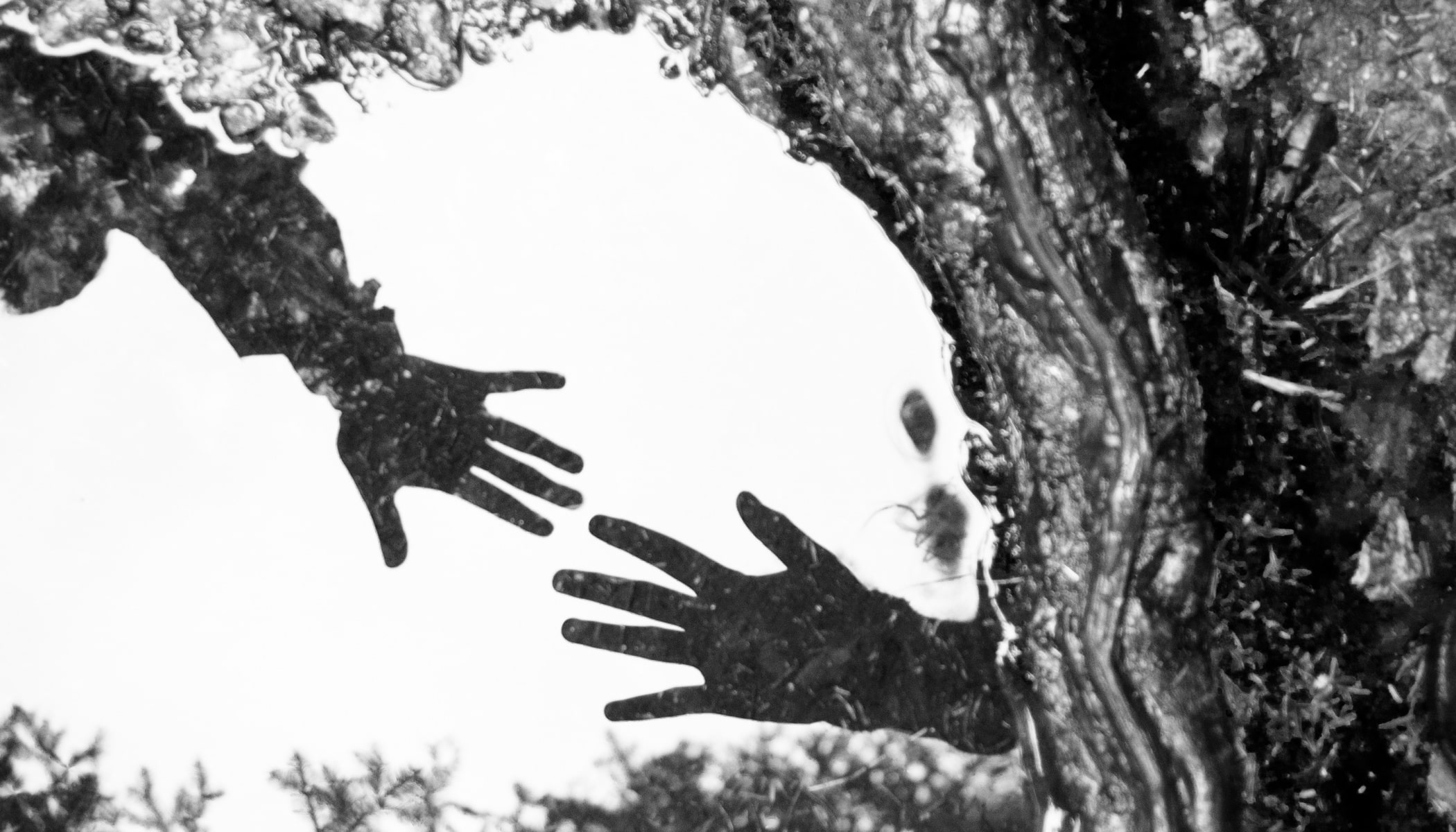
Puddles are common in winter, and they often create a strong contrast between dark reflections of trees, buildings, or people and the bright surface of the reflected sky. Sometimes, all it takes is a small step to the side to simplify the reflection, and black and white conversion helps reduce distracting color chaos.


Go to the cemetery
Winter is a season of closure in nature’s annual cycle—a time of calm and slowing down. Cemeteries naturally fit this mood. They’re places of remembrance and silence. Black and white reinforces this mood. It removes a sense of specific time and allows gestures, expressions, and the textures of materials to stand out.


© Ester Dobiášová
Evenings void of color
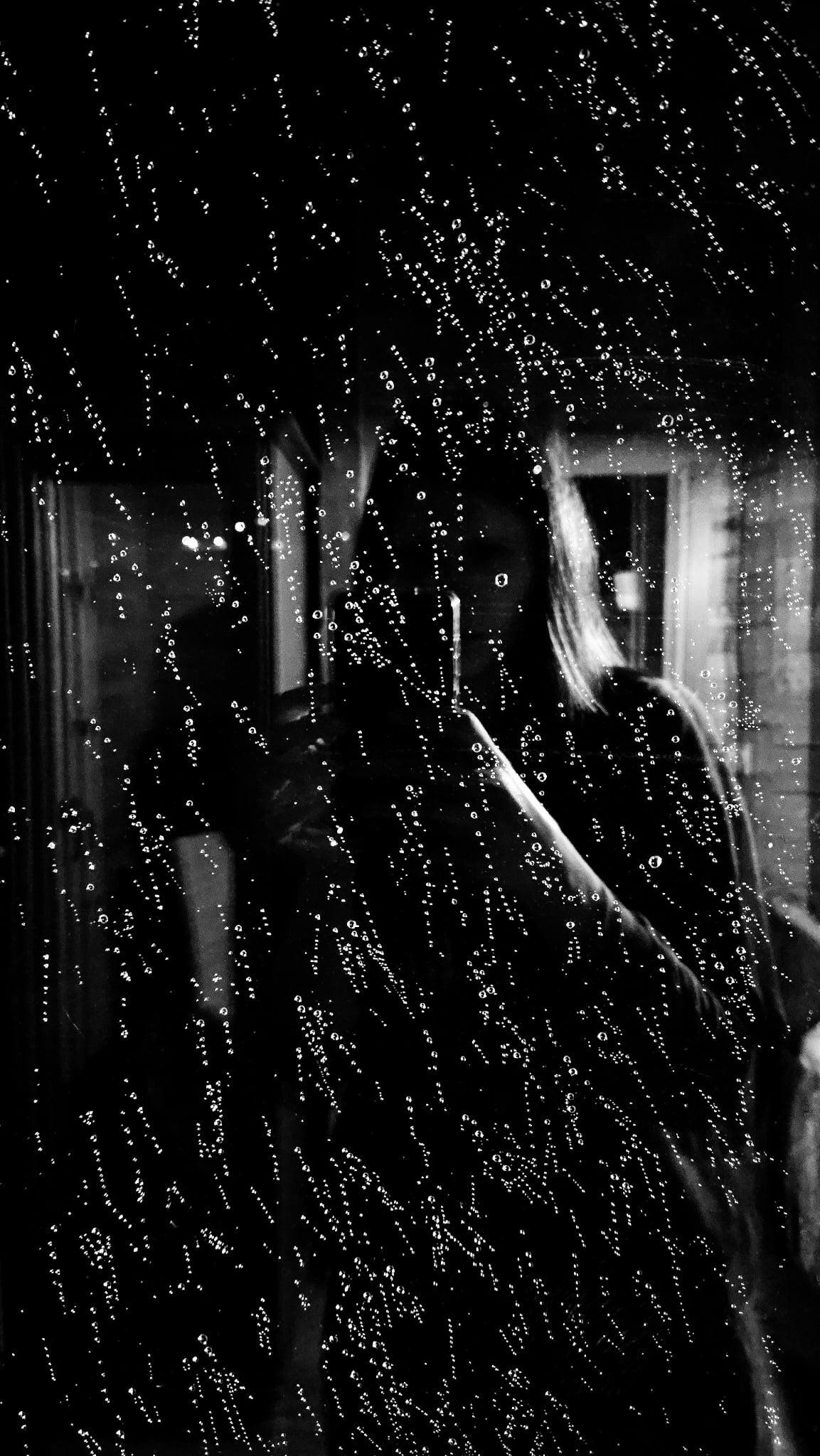
Another strong opportunity for black and white photography is night scenes. One advantage of statues is that they don’t move. Even in low light, you can use a lower ISO (in this case 800) and avoid excessive noise. Longer shutter speeds and a stable support—such as a steady grip, railing, or ideally a tripod—help significantly.
In the next photo, I used a shutter speed of 1/30s, which allowed the movement of the snowflakes to become visible. The statue remains sharp, while the surroundings add atmosphere and calm to the scene.

A challenge
Black and white photography is a return to the essentials of photography: light, shape, and emotion. Winter provides ideal conditions for this. Try a small photo challenge: go out one day and shoot only black and white. This kind of limitation can lead you to discover new subjects and develop a stronger awareness of light and contrast, even in your immediate surroundings, or at the very least, it can provide some fun.
FAQs
Is every winter scene suitable for black and white? No. Black and white works best when the scene relies on light, contrast, shapes, or emotion, and when color does not carry essential information.
What kinds of contrasts work best in black and white? Extreme contrasts aren’t always the best choice. Sometimes a subtle range of gray tones works better than the harsh contrast of black and white.
Which winter motifs work best in black and white? Snow, fog, bare trees, reflections, ice details, architecture, cemeteries, and night scenes.
Isn’t black and white photography too gloomy? It can be, but that may be the point. It depends on whether you want to express tranquility, melancholy, drama, or a more abstract play of light.