Choosing the Right Tripod—What to Look For
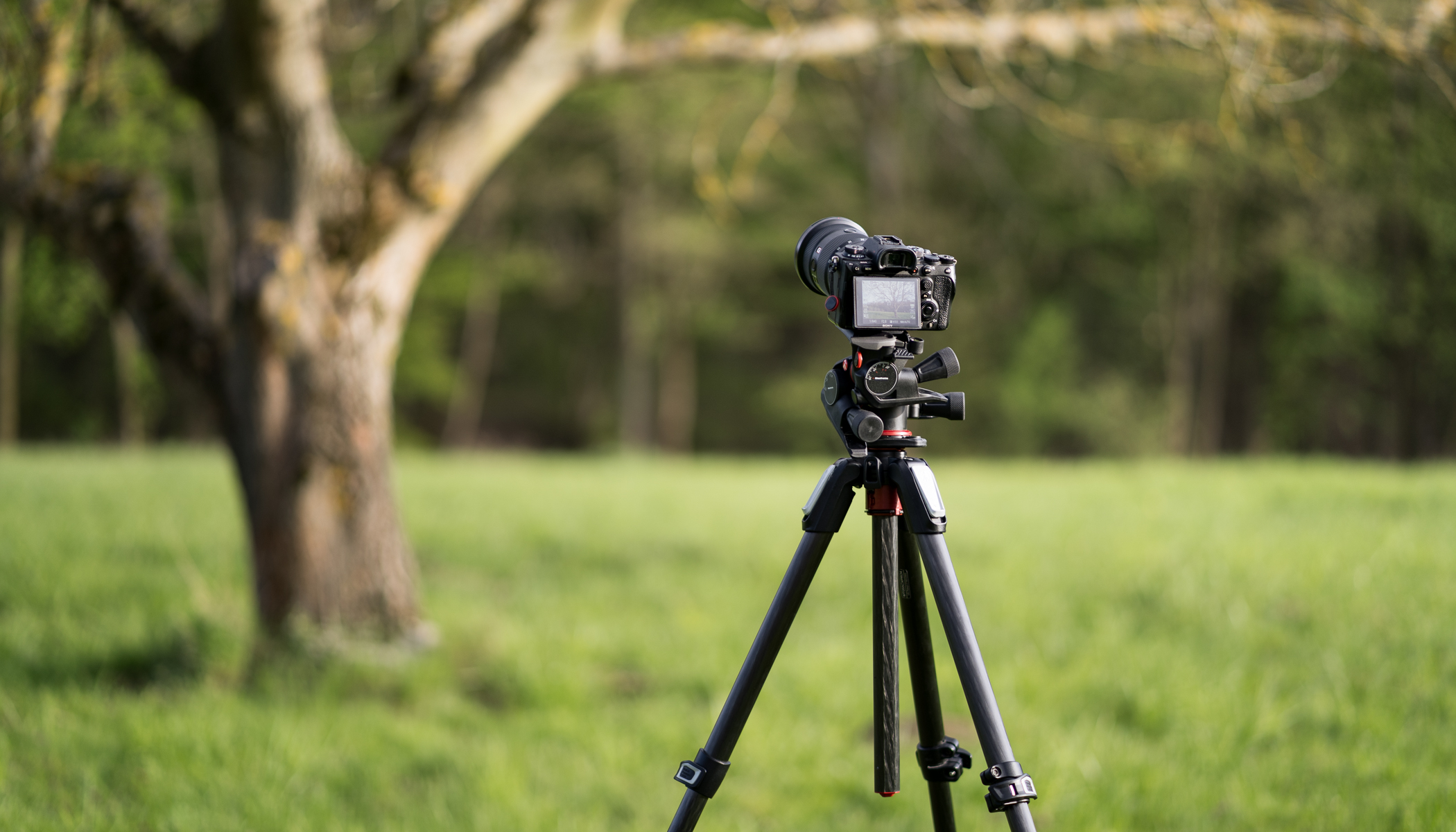
Choosing the right tripod isn’t just about price or brand. I’ll walk you through how to pick one based on your photography style, what features to look for, and how to avoid common mistakes. This will help you get it right on your first try.
In this article, you’ll learn:
- How to choose a tripod based on your photography style.
- The difference between a tripod, monopod, and mini tripod.
- What to look for in tripod heads.
- Why load capacity and stability matter.
- How to choose the right height and weight.
- Which tripod suits beginners and advanced photographers.
Most photographers don’t find the right tripod until their second try. Let’s go over the key factors that can help you find the one that’s just right on your first try. This way, you won’t feel lost among the hundreds of options.
Tripod benefits
Why are tripods worth the extra weight? Here are a few good reasons:
- Higher image quality—you can use slower shutter speeds, lower ISO, and greater depth of field without blur.
- More precise composition—not just for architecture and landscapes.
- Less strain on your back and hands, especially when adjusting lighting in a studio, changing the scene, or waiting for the right moment.
- Essential for HDR and panoramas.
- Lets you take self-portraits.
- Useful for night scenes, the night sky, storms, light painting, or removing crowds from your photos.
- Better control over depth of field in macro photography.
- Stable, shake-free videos.
Basic tripod types
Standard tripod—The most common and versatile option, suitable for most situations. Its three legs provide stability even on uneven surfaces. Available in everything from compact travel versions to large studio models.
Mini tripod / tabletop tripod—Designed for compact cameras and phones. Lightweight and portable, ideal for use on solid surfaces like tables, walls, rocks, or car roofs. Some models have flexible legs you can wrap around railings, furniture, or branches.
Monopod—A balance between stability and mobility. Useful for sports photography with heavy telephoto lenses or in situations where a full tripod would get in the way.
Let’s focus on standard tripods and break down their main components.

Load capacity: A key factor
Load capacity should be the first thing you check. The maximum load capacities from the manufacturers can be misleading—they aren’t standardized and are often measured under ideal conditions—on a flat surface, with no wind, with the center of gravity precisely over the center, and without you leaning on the camera.
As a rule of thumb, choose a tripod with a load capacity that can support at least double the weight of your gear. If you plan to use a telephoto lens, factor that in as well.
Choosing the right tripod head
The tripod head is the most important part. It holds your camera and lets you position it precisely. With the exception of mini tripods, most heads use a quick-release plate that is screwed onto the camera body or the tripod mount of a telephoto lens.
There are two main plate systems—the Arca-Swiss system and proprietary systems from individual brands. The Arca-Swiss system is widely compatible, meaning plates and heads from different manufacturers work together. Proprietary systems are fine too—as long as you stick with one brand.
It’s important to familiarize yourself with your camera’s mounting system after purchase to avoid accidentally dropping your gear.
The three most common types of tripod heads are—ball head, 3-way head,andvideo head. There are also specialized heads for architecture photography, panoramas, gimbal heads for telephoto lenses, or motorized heads for time-lapse photography, such as those used for night sky photography.
If you’re unsure, go with a ball head. It works well across most photography styles, and you adjust the composition by loosening and tightening a single screw.
Tripod legs
Tripod legs usually have three to five sections with either twist locks or lever locks. Most are made of aluminum or carbon fiber—the choice between them is primarily a matter of price and weight. Carbon tubes are much lighter, so if you plan to carry the tripod on your back often, it’s definitely worth considering the higher investment. If, on the other hand, you know you’ll be mainly traveling by car, or you’re buying a tripod for the studio, aluminum will serve you just as well.
More sections means greater maximum height, but slightly less stability. Fewer sections mean the tripod is more compact when folded, which is especially useful for travel. Each end has feet—usually rubber, which can be replaced with metal spikes. However, these aren’t necessary, unless you plan to shoot exclusively on ice or extremely slippery surfaces.
Some tripods don’t have a retractable center column. It’s best to avoid these. Tripods with center columns allow you to adjust the height quickly without extending the legs, which is useful when photographing architecture, for example. However, extending it fully can reduce stability—especially with longer focal lengths. Some tripods let you tilt the center column, allowing you to position the tripod head directly above the subject. This is useful for macro photography or flat lay photography.

Height, weight, and portability
When purchasing a tripod, pay attention to its maximum height so you don’t have to bend over it when looking through the viewfinder. A tilting display gives you more flexibility.
Some tripods with a center column can also be set up just above the ground, which is ideal for extremely low angles.
If you travel often, also check the compact height, which indicates the total length when folded. Will it fit in your carry-on luggage? Is it disproportionately longer than your backpack?
Weight is also an important factor when choosing a tripod. If the tripod is too heavy, you won’t bring it with you. If your budget allows, consider carbon fiber models.

Which tripod to choose based on your photography style
Like I said at the beginning of this article, most photographers start with the cheapest option—and that’s fine. It helps you figure out whether you’ll actually use a tripod or if it’ll end up forgotten under the bed.
If you’re just getting started with photography and are still exploring different genres, go for an aluminum model with a ball head and skip the entry-level options. Expect to pay roughly US$90-US$140. If you already have an unsuitable tripod at home, are looking for a replacement, and know it’s going to be part of your regular gear, skip the mid-range and consider investing in a high-quality carbon fiber tripod.
Good gear never goes to waste. Unlike camera bodies or lenses, a good tripod can last a lifetime.

FAQs
What’s the best tripod for beginners?
An aluminum tripod with a ball head and sufficient load capacity. Avoid the cheapest options.
How much weight should a tripod support?
At least twice the weight of your camera gear.
Is a carbon fiber or aluminum tripod better?
Carbon fiber is lighter and better at reducing vibrations. Aluminum is more affordable and durable.
Do I need a tripod with a center column?
It helps with quick height adjustment, but can reduce stability when fully extended.
Which tripod head should I choose?
A ball head is the best all-around choice for most photographers.