Hard vs. Soft Light: Learn the Real Difference
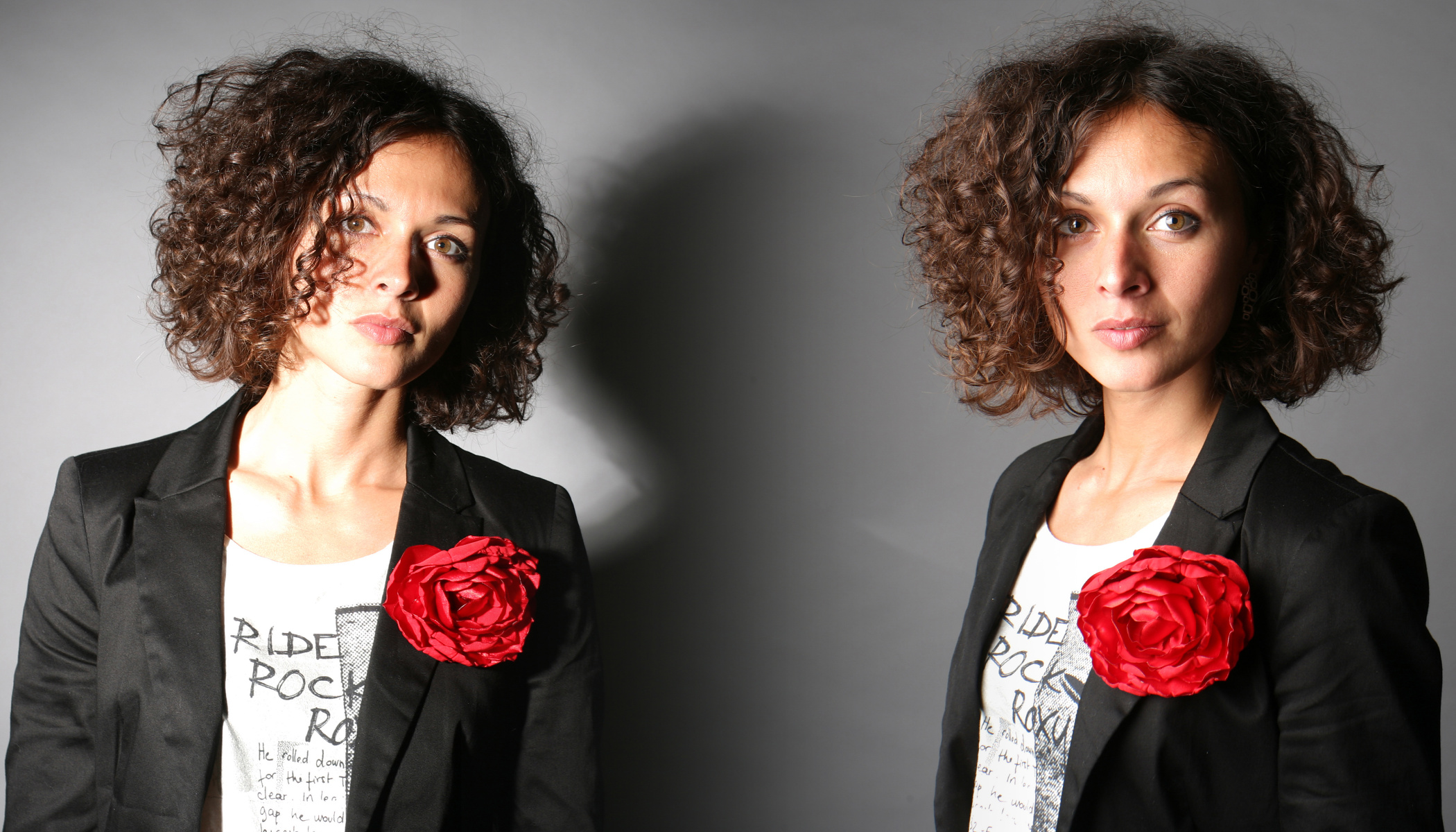
Hard and soft light are a constant topic of discussion in photography. Yet despite how often they’re talked about, there’s still a lot of confusion around them. You’ll often hear that one type of light is “right” and the other is “wrong.” In this article, we’ll look at how hard and soft light really differ and how to use each one in practice. We’ll also debunk a few common myths along the way.
In this article, we’ll cover:
- the true difference between hard and soft light
- why light hardness isn’t related to shadow depth
- the role the size and distance of the light source play
- why diffusers alone don’t soften light
- when hard light works and when soft light works
- how light affects skin texture and a photo’s character
The fundamental difference between hard and soft light isn’t its strength or the depth of its shadows, but how the edges of those shadows look. Hard light creates sharp, clearly defined shadows. A typical example is the summer sun high in the sky. Soft light, on the other hand, produces smooth transitions between light and shadow—similar to light on an overcast day or diffused light coming through a window.


What really determines light hardness is the size of the light source relative to the subject. The larger the light source appears, the softer the light. The smaller it appears, the harder the shadows. You might wonder, “But the sun is huge, so why is it considered a hard light source?” The answer is distance. Although the sun is large, it’s incredibly far away. As a light source moves farther from the subject, it effectively becomes smaller and produces harder shadows.
That’s why a large softbox placed high above your model can produce harder light. It can have a similar effect to a smaller softbox positioned much closer to the subject’s head. Once you understand this principle, many lighting situations start to make sense.
Myths about light quality
There are many myths surrounding hard and soft light that are often passed around as established facts. Let’s clear them all up at once.
Myth 1: Hard light = dark shadows
Many photographers assume that hard light automatically means deep, dark shadows. In reality, shadow depth has nothing to do with the quality of light, but whether light is filling the shadows. Reflections from walls, the ground, or other light sources can significantly brighten shadows, even when the main light is very hard. Conversely, soft light can create surprisingly dark shadows if there’s no reflected light in the scene, or if you deliberately block it with a black flag.

Myth 2: Honeycomb grids make light hard
“I’m afraid to use honeycomb grids because I don’t want harsh light.” This is something I hear from students all the time. But honeycomb grids don’t make light harder or softer. They simply control its direction. They help determine where the light falls and limit its reach, helping prevent spill onto the background or other parts of the scene. If the size of the light source stays the same, its quality doesn’t change. The light remains just as soft, only more controlled.
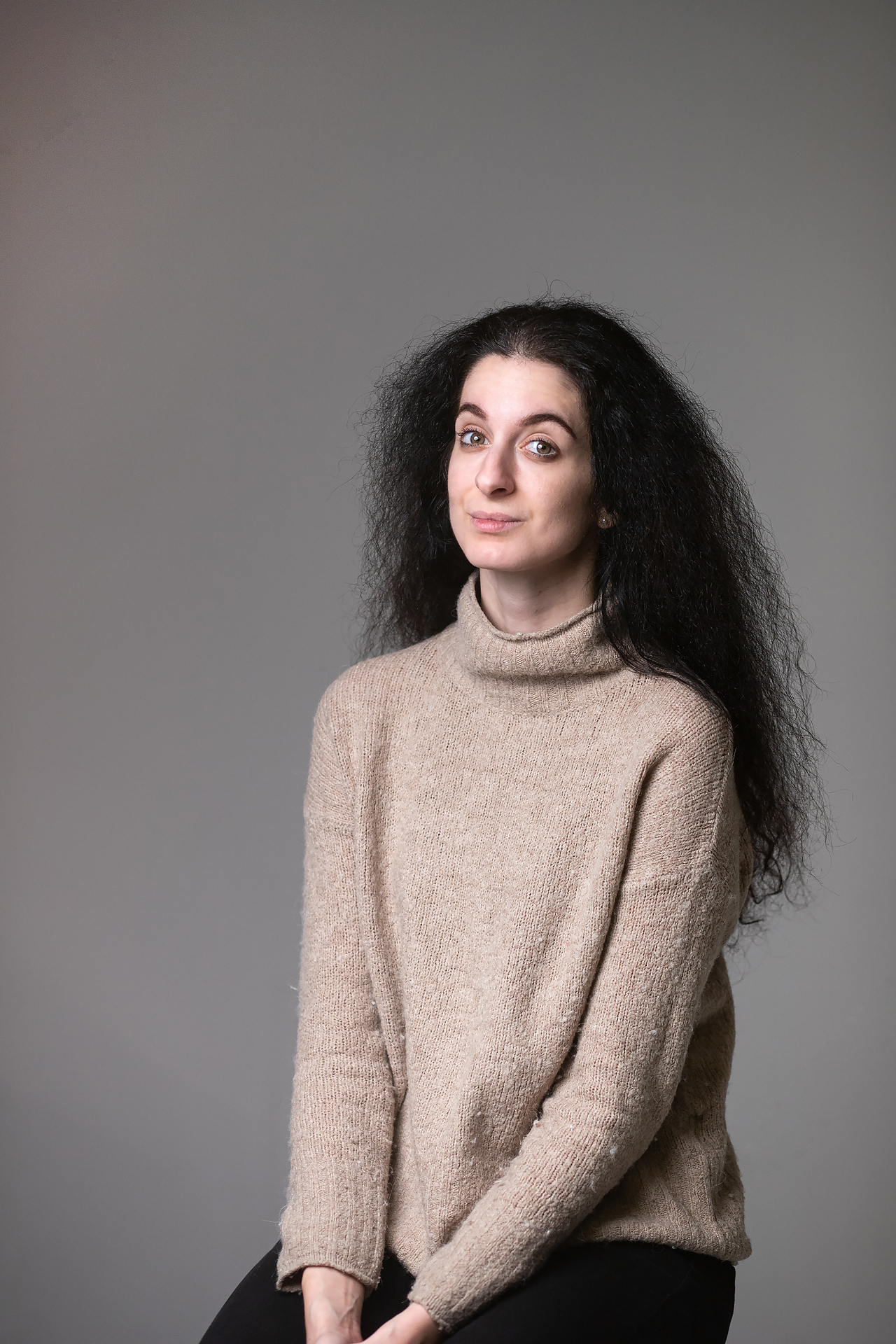
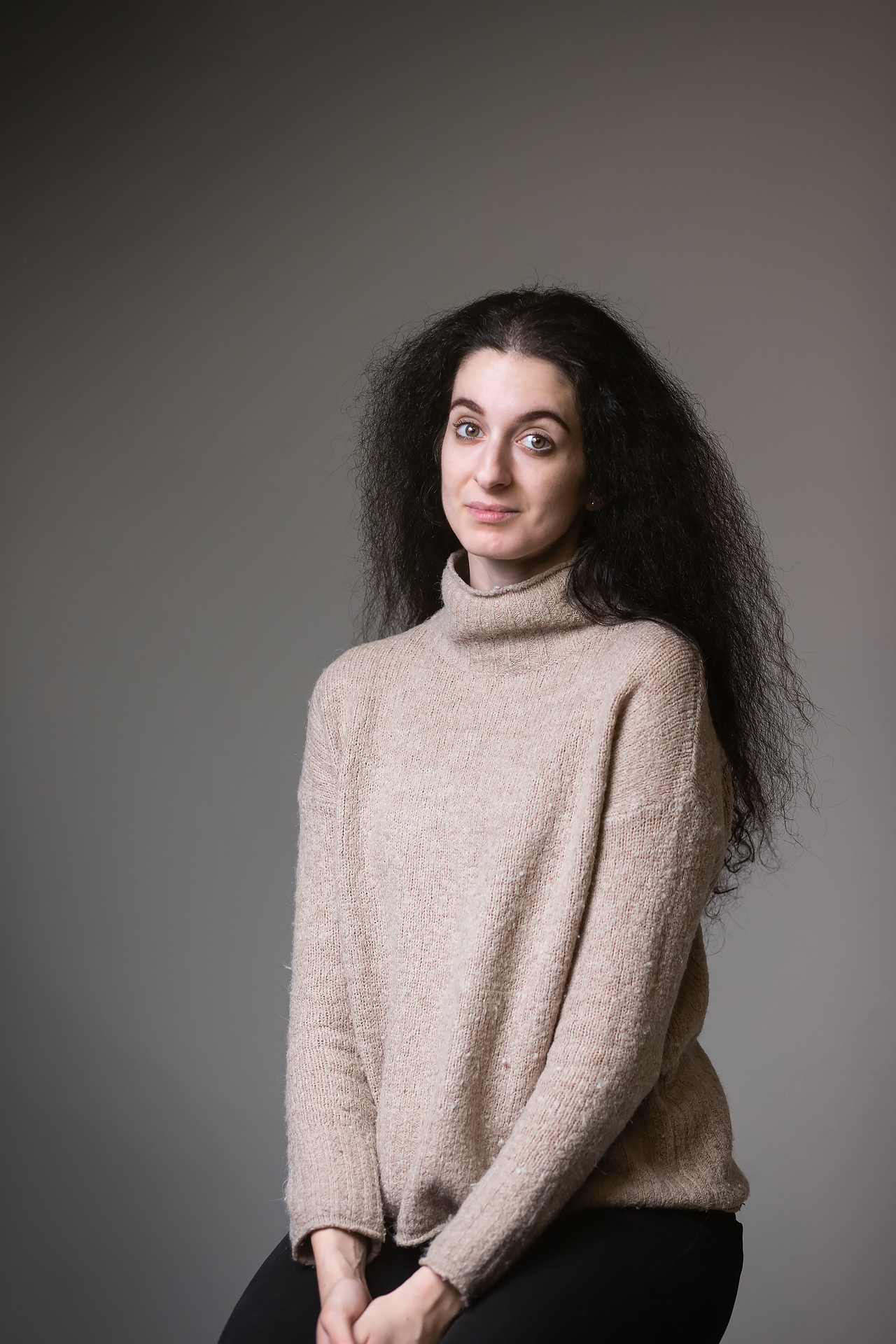
The first picture was taken without a honeycomb grid. In the second picture, the same grid was added to the softbox. The depth of the background changed, but the quality of the light remained exactly the same.
Myth 3: Hard light emphasizes skin texture
This is only partially true. Skin texture—pores, wrinkles, and fine details—is influenced much more by the direction of light than by its hardness. Side lighting emphasizes texture. Front lighting, on the other hand, tends to suppress it. Even a softbox placed to the side can be quite unforgiving to skin.

Myth 4: “Diffusers soften light”
Diffusers—fabric, paper, or ribbed Plexiglas—are often described as light softeners. Even salespeople sometimes say this. But unless a diffuser actually increases the size of the light source, it doesn’t change the hardness of light. However, the appearance of the shadow on the background changes. Its edges become scattered, sometimes making the shadow nearly disappear. The light hitting the subject remains unchanged. A small light source with a diffuser is still a hard light source.
When to use hard light
Hard light works well when you want expression, contrast, and clearly defined shapes. I love using it in street photography—it creates strong highlights and shadows that give the scene structure and rhythm. In fashion photography, hard light helps emphasize cuts, materials, and clothing details. In advertising or food photography, it often mimics the summer sun, making images feel fresh and energetic.


When to use soft light
Soft light has a calmer, more subtle effect. Because transitions between light and shadow are not distracting, the focus remains on the main subject. That’s why soft light is commonly used in women’s portraits or fine art photography, where clients usually don’t want dramatic lighting, but a flattering, understated look. It’s also a natural choice for children’s portraits and newborn photography. In interior photography, soft light helps maintain a balanced look without harsh contrasts.


TIP: Need soft light, but only have a small light source, like your camera’s built-in flash? Aim it at a white wall. The reflected light becomes much larger and softer, even though it loses some power.
In conclusion, don’t be afraid of hard light. It’s not worse than soft light. You just need to know how to use it. At the same time, don’t overdo soft light either; it can sometimes look flat and dull. Experiment and don’t be afraid to make mistakes. Good luck!
FAQs
Is hard light bad for portraits? No. Hard light isn’t worse than soft light. It simply creates a different look. It depends on the style, the direction of the light, and how you work with shadows.
Does soft light always mean bright shadows? No. Shadow depth depends on whether shadows are filled with reflected or additional light, not on light hardness.
Does a honeycomb grid soften light? No. Honeycomb grids only control the spread of light. The quality of the light stays the same.
Does a diffuser turn hard light into soft light? Only if it increases the size of the light source. A small source with a diffuser remains hard.
What affects skin texture more: light hardness or direction? Direction. Side lighting emphasizes skin texture regardless of whether the light is hard or soft.