Travel Photography: 10 Tips for Better Vacation Photos
How can you get better vacation photos without lugging around a backpack full of heavy gear? All it takes is a few simple tricks used by experienced photographers. We show you what to photograph, how to work with composition, and how to come home with travel photos that aren’t just ordinary snapshots, but true memories with a story behind them.
In this article, you’ll learn:
- How to sensibly pack photography gear for vacation.
- Why using the foreground is one of the easiest tricks for more striking photos.
- How to work with colors, lines, and rhythm in your composition.
- How to turn random snapshots into a cohesive photo series or mini project.
- How to look for interesting details, portraits, and typical motifs unique to your destination.
- Why a change of perspective, and not more expensive equipment, is often all you need.
Summer has arrived, which means it’s time to pack your bags and hit the road. You’ll want to capture your well-deserved break and share beautiful photos on social media or create a photo book to flip through with family and friends. In this article, we give you practical tips on what to photograph and how to get the best possible shots while fully enjoying your vacation.
Camera gear to bring on vacation
Every piece of equipment has its specific use. However, if you follow this advice when packing your suitcase, you probably won’t be able to lift it. And even if you do, you’ll regret it—first at the airport, and then out on the road. In reality, you don’t need a lot of gear to take great travel photos. A lightweight mirrorless camera with a single kit zoom lens is often the best solution for travel. Sometimes a smartphone is all you need only because it’s always in your pocket.
For evening and nighttime excursions or cave visits, it makes sense to pack a compact camera and a lightweight tripod.
Another useful tool is a polarizing filter. When shooting in sunny weather (which I hope you have plenty of), it can work small miracles. A deep blue sky contrasted against snow-white clouds looks incredible through a polarizer.
Don’t forget the small essentials either. If you’re heading to the beach, pack a waterproof case so you can take photos while snorkeling. If you’re planning a camping trip, bring a waterproof dry bag to store your gear overnight or protect it during the rain. Spare memory cards, extra batteries, and your chargers are also a must.

You should also consider a portable external drive to back up your photos every evening. It’s an extra safeguard to ensure you don’t lose any photos.

Further Reading: Air Travel with Photography Equipment: How to Protect Your Gear and What To Remember.
Use the foreground for better vacation photos
Unlike the three-dimensional world our eyes are accustomed to, a photograph is two-dimensional. This means we have to visually imply that third dimension; otherwise, the image will appear flat.

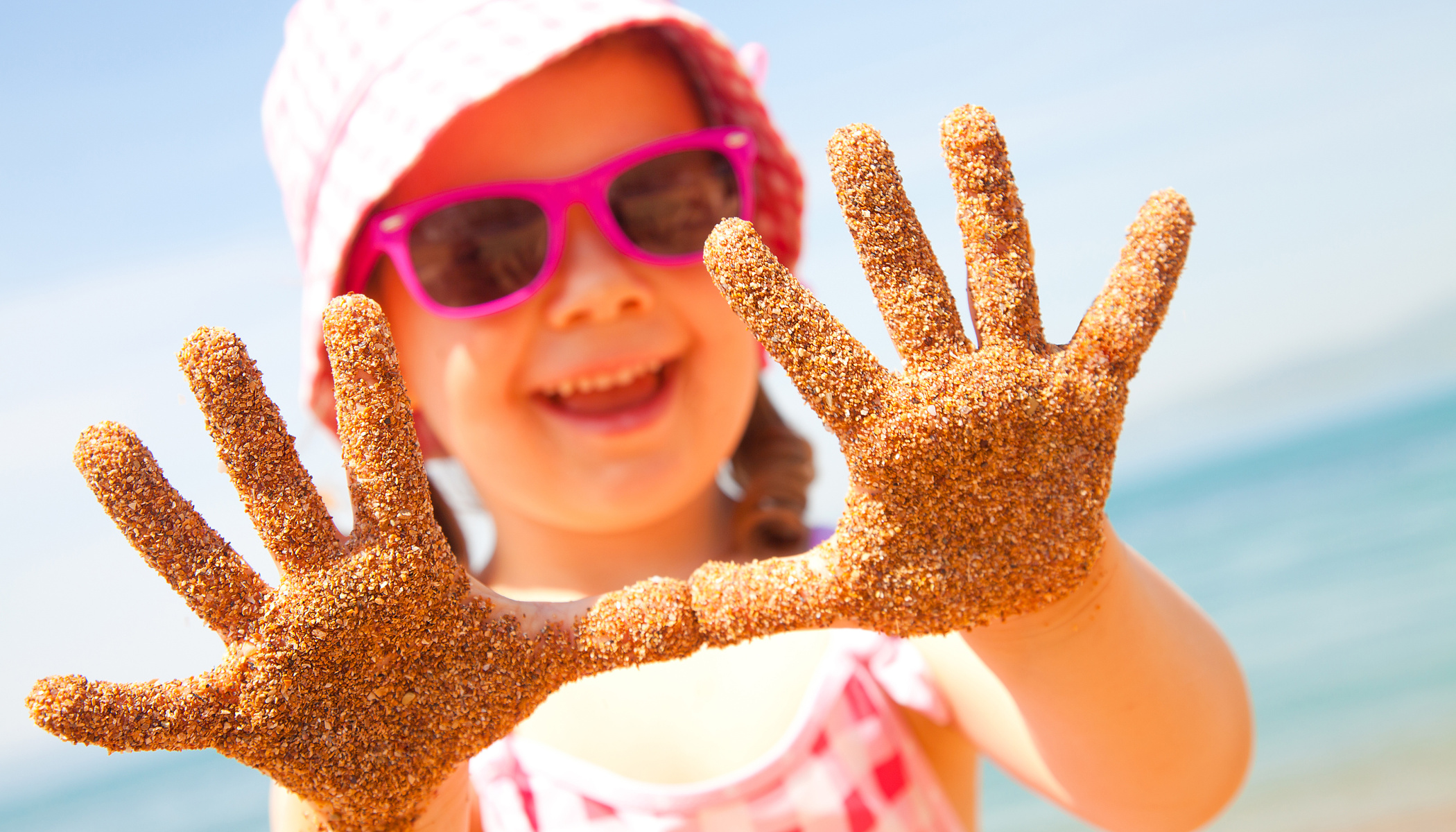
Incorporating a strong foreground is one of the easiest ways to add depth to your shots. This technique works wonders in landscapes, cityscapes, and basically anywhere you aren’t shooting with a telephoto lens. We’ve all experienced climbing a mountain to capture an incredible view, only for the final photo to look surprisingly dull. That’s where the foreground comes in. Even if there’s nothing immediately interesting in front of you, try squatting down or getting low to the ground. Include grass, pebbles, or sand under your feet. Nothing is stopping you from including your own shoes in the foreground, if the focal length allows.
How to work with colors, light, and lines
Just like paintings, photographs can be divided into graphic and painterly styles. The graphic style relies heavily on contrast and strong lines. It can be black and white, but doesn’t have to be. The second style relies primarily on color.
If you have an eye for graphic motifs, harsh midday sunlight is actually your friend. Use shadows to create striking, high-contrast images. Silhouette photography in front of a setting sun fits perfectly into this category as well.
If you lean toward a more artistic, painterly style, shadow-based contrast isn’t as important. Look for scenes with harmonious color palettes. It can feature harmonious colors complemented by a single, striking complementary color detail.

Using rhythm and repeating patterns
Every city is full of elements that create visual rhythm: rows of streetlights, modern architecture, or lines of parked cars. Rhythm is present in nature too. For example, the trees in a pine forest or pebbles on a beach often form beautiful patterns. A photo that incorporates this rhythm draws attention with its structure. You can add even more flair to the composition by introducing a “rebellious” element that breaks this rhythm. A single white pebble among black ones, a human figure standing among rows of mirrored doors in a modern skyscraper, or a pair of shoes in a row of bare feet.

Turning your vacation into a photo series
Most people bring home random, unrelated photos. You’re on vacation to relax, so why overcomplicate things? However, you have the opportunity to bring back not only a nice tan and a great mood, but you can build an entire photography project worthy of pitching to a magazine or your own photo exhibition. Try coming up with a concept in advance that you can stick to throughout the trip, and incorporate everything the trip offers into it. It doesn’t have to be complex, philosophical, or deeply social—though of course, it can be.

Photograph colors typical of the country you’re visiting
Sometimes you can focus on a single color and shoot an entire series using just that color. For example, in Greece, you’ll encounter stunning combinations of blue and stark white almost everywhere. Use this color combination to your advantage.
Local residents
In exotic countries, you can create a powerful series of street portraits—provided, of course, you’re comfortable with approaching people respectfully.

Find typical regional details
Look for the small things that define a region. For example, Portugal is famous for its ceramic tiles. Take twenty different shots and later combine them into a single composition.
Photograph recurring motifs
The doors of old houses can make for incredibly interesting subjects. They tell a story about their owner without you having to include them in the shot.

Room for romance
If you’re traveling with your significant other, try creating a photo series of you holding hands across different backdrops. A hand reaching into the frame serves as a fantastic foreground element that injects dynamic energy into a static landscape.

Abstract details and visual riddles
Another idea for a series is extreme close-up details. They can serve as little visual riddles for the viewer, who can try to figure out what they’re looking at. Just don’t make them too obscure. If the viewer can’t figure it out, they might lose interest.

FAQs
Which camera is best for vacation?
In most situations, a lightweight mirrorless with a kit lens or a high-quality smartphone is enough. It’s more important to have a camera that’s easily accessible instead of needing to lug around a lot of gear.
How can I keep my landscape photos from looking boring?
Look for strong foreground elements. Grass, rocks, flowers, or even your own shoes can help add a sense of depth.
Is it worth it to bring a tripod on vacation?
If you’re planning to take photos in the evening, shoot cityscapes at night, or visit caves, a lightweight travel tripod is worth it.
How can I bring home more unique vacation photos?
Instead of random snapshots, focus on a unified theme—colors, doors, portraits of local people, or distinctive details of the country you’re visiting.
When is the best time of day to take photos while traveling?
The most beautiful light is usually just after sunrise and before sunset. The colors are more pleasant, and there are fewer harsh shadows.
How do I take a compelling street portrait?
Don’t be afraid to interact with locals and make eye contact with your subject. Eye contact and natural expressions often create a more powerful photo than one taken from a distance.