Preparing a Photo Exhibition: Selecting Photographs
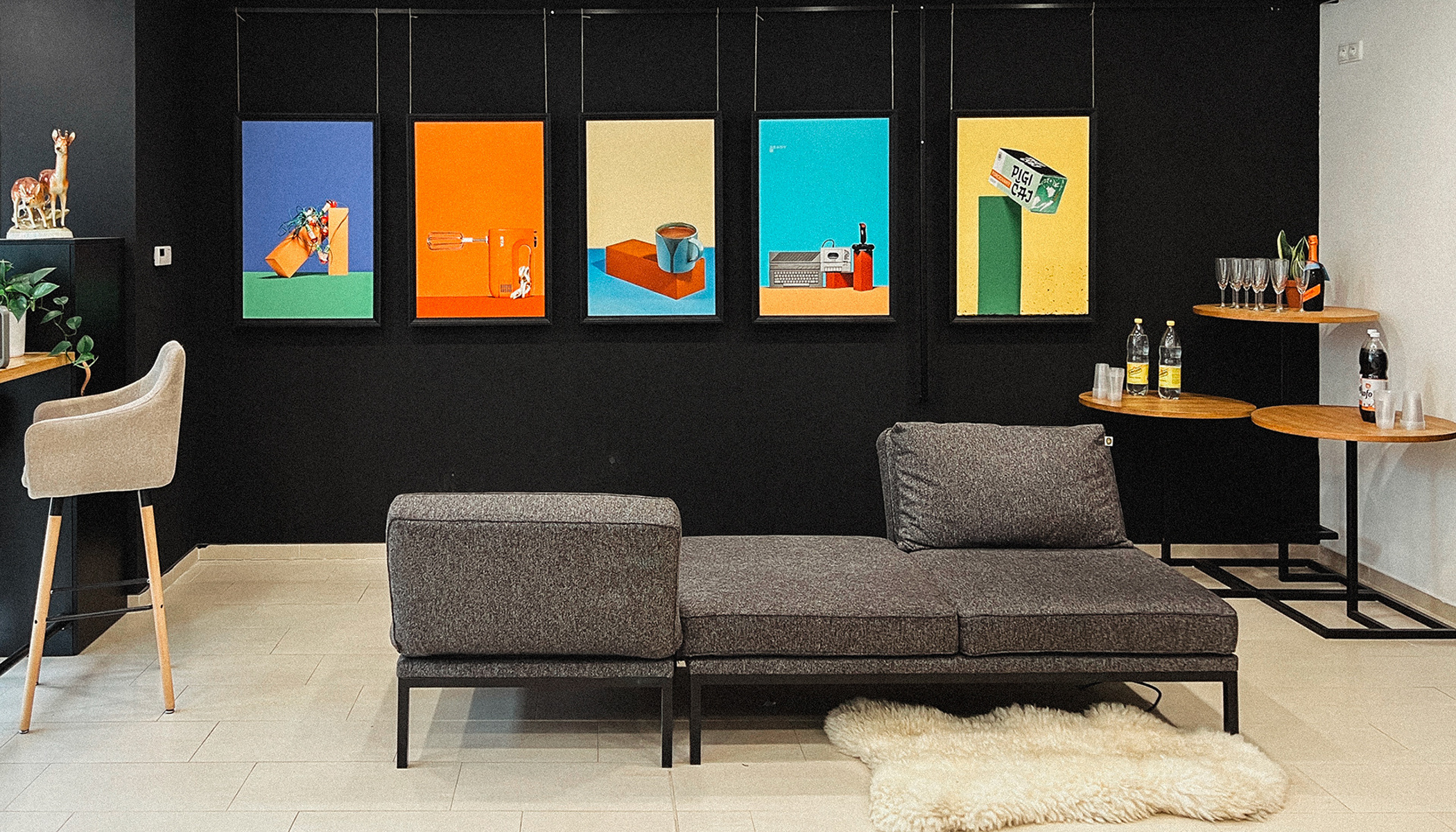
A photo exhibition can take many forms—from group and traveling exhibitions to commercial shows or solo exhibitions. In this article, we focus on solo exhibitions: a body of work with a unified purpose that expresses the photographer’s personal vision. An exhibition shouldn’t be just a visually pleasing display of “pretty pictures.” It should have deeper meaning— it should have something to say.
In this article, we discuss:
- the difference between a solo exhibition and photo presentation.
- why it’s not a good idea to exhibit your entire portfolio and how to find a strong theme.
- how to select photographs that speak to each other.
- why printed photo previews are a key tool when preparing an exhibition.
- how a curator or experienced colleague can help refine your final selection.
- why it’s important to think of an exhibition as a story, not just a collection of attractive images.
What is a photo exhibition? Types and solo exhibitions
A photo exhibition is a collection of photographs presented as a whole and built around a specific concept. There are many types of exhibitions, including retrospective exhibitions that present a photographer’s work across their entire career, thematic projects (either group or solo), commercial fairs, sales exhibitions, and others.
In this article, I focus specifically on solo exhibitions that present the work of a single photographer. Unlike a simple presentation of various photographs, a solo exhibition is conceived as a personal form of expression with its own message. It mainly showcases fine-art photography. A solo exhibition should have a broader meaning—something important to say—and grow out of the photographer’s work, experience, or attitude. In this sense, an exhibition is closer to a book with photographs. Each image has its role within the whole, much like chapters in a story. It’s not just about “pretty pictures.”
Don’t present your entire portfolio—find a theme
A solo exhibition doesn’t have to, and usually shouldn’t, include a photographer’s entire portfolio. The only exception is a retrospective exhibition, such as Josef Koudelka’s, which presented his life’s work. It was curated by the National Gallery in Prague and shown at the Rudolfolnium in 2018.
In most cases, it’s better to exhibit a carefully selected series of photographs built around a specific theme. Rather than showing a large number of unrelated images, focus on a theme or motif you’ve been working with over an extended period of time. Sooner or later, every photographer asks themselves what they actually want to say through their photography. This isn’t about trends or what’s popular at the moment. It’s about you—your subject, your experience, and your point of view. It’s not about collecting likes. Consistently returning to a certain theme helps you develop a clear photographic voice. As I wrote in my article on photography long-term: “Your photographs start to speak to each other. And that’s the moment when you stop being just someone who takes good pictures and become a photographer with something to say.” A series of photos allows you to develop a theme, repeat visual elements, and create deeper meaning. Think of your exhibition as a story or a documentary. Let the individual images communicate with one another.

Draw on your experience
When preparing an exhibition, build on your previous experience. The most important thing is to photograph what you really know and believe in. These authentic moments tend to make the strongest impression at your exhibition. Powerful photographs often emerge from a deep understanding of the environment in which they were created. Avoid cliché compositions. Look for distinctive framing and images that have something to say. Finding your own style and working long-term go hand in hand.
Use printed previews
Once you have a rough selection of photographs, print them in small formats (A5/5.8×8.3in will suffice). Work with the prints physically: resize or copy them, pin them to the wall, spread them out on the floor, and try different combinations. This gives you a clearer sense of how the images fit together and how the rhythm and flow of the exhibition will work, much like designing a book.
The goal is to create a kind of visual scenography—a model of the exhibition that shows how the images will be arranged on the walls. This helps you identify the most striking “stand-out” photographs as well as supporting images that reinforce the overall narrative. If possible, sketch the layout or use a virtual plan of the space.
Look for combinations that work together visually or conceptually.
Select the main and supporting photographs, and mark the most impactful ones along with those that help carry the theme. As you make these decisions, consider the visual clarity and continuity of the exhibition as a whole—the colors, lighting, and recurring motifs. Adapt the final layout based on the curator’s recommendations.
Why you need a curator (or a trusted colleague)
Selecting images for an exhibition is not easy. That’s why it’s helpful to have someone who can look at your work with fresh eyes. A curator specializes in the conceptual and narrative structure of exhibitions and ideally works with you to shape the final selection of photographs. Working with a curator means discussing the exhibition’s concept, proposing its final form, and taking into account the technical possibilities of the exhibition space.
If you don’t have access to a professional curator, ask a fellow photographer whose opinion you trust. Ask them for constructive criticism and open an honest discussion. Show them your printed previews regularly throughout the preparation process, in different places, and in different moods, to see how the photographs work over time. A fresh perspective can reveal shortcomings or suggest stronger sequencing or layout options.

Continue working with printed previews
No matter who you work with, don’t stop using printed previews. Bring them to every meeting with your curator, especially when you’re adjusting the concept. Different settings and moods can highlight different qualities of your photographs. Regular previewing and rearranging keeps your visual idea fresh and helps you recognize which images truly belong in the exhibition, and which ones are better left out.
Next step: choosing an exhibition format
Once you’ve selected a coherent set of images and have a clear idea of their arrangement, the next phase is to consider different exhibition formats. These may include a monographic exhibition based on books or printed materials, installation in an open space, a continuous linear gallery installation, an online presentation, and more. Each format has its own set of rules, but we can explore those in the next article.
Selecting photographs for an exhibition is part of a broader process of developing the entire project. Remember that an exhibition should be memorable. It should offer something meaningful to the viewers. Avoid surface-level effects, such as postcard-style travel images, which may be attractive but are often visually empty. Powerful photographs frequently emerge from everyday settings, where you feel at home. A good rule of thumb is to start with what you know. If you really want to create powerful photography, return to familiar places with a clear mind, observe your surroundings with a fresh perspective, and leave room for your own theme to come through. The exhibition then becomes your personal story.
FAQs
Do I need to have a curator for my exhibition? No, you don’t have to work with a curator, but it certainly helps. A curator, or at least an experienced colleague, can offer valuable perspective and help you maintain your concept and the quality of the selection.
How many photographs should be in an exhibition? There’s no universal number. Cohesion and how the images work as a whole are far more important than quantity.
Is a solo exhibition limited to fine-art photography? No, not necessarily. A solo exhibition is defined by personal expression and a clear concept, not by genre.
Can I exhibit photographs from different time periods? Yes, if they are connected by a shared theme, visual language, or idea. Without a clear concept, the exhibition can feel fragmented.
Why work with printed previews instead of a screen? Printed previews allow you to work physically with rhythm, scale, and relationships between images. They provide a much more accurate sense of how the final installation will feel.
Do I need a strong theme from the beginning? Not necessarily. The theme often crystallizes over time, emerging retrospectively through long-term work and repeated selection.