Shooting at the Wrong ISO? When to Use Low vs. High ISO Settings
ISO is one of the most critical camera settings, yet it remains one of the most common sources of errors for photographers. An ISO that’s too low can lead to blurry photos, while ISO that’s too high can result in an image with distracting noise. In this article, we’ll explore when to stick to a low ISO for maximum image quality and when you don’t have to worry about using a higher ISO.
In this article, you’ll learn:
- What ISO is and how it affects the final photo.
- When to use low ISO for maximum image quality.
- The specific situations where a high ISO is necessary.
- How ISO relates to f-number and shutter speed.
- How to reduce noise in photos.
- Which gear can help you shoot at lower ISO.
For everyday photography, leave your camera’s Auto ISO on because it tries to balance multiple settings on its own. However, your camera doesn’t know your creative preferences or even subject matter. That’s why you should switch to manual settings and lend your camera a helping hand.
What is ISO and how does it affect your photos?
To briefly summarize, ISO, along with aperture and shutter speed, is part of the exposure triangle. ISO dictates how sensitive your camera’s sensor is to light—the higher the value, the higher the sensitivity.
Unfortunately, with higher ISO come higher levels of noise. It’s always best to stick to lower ISO values whenever possible.
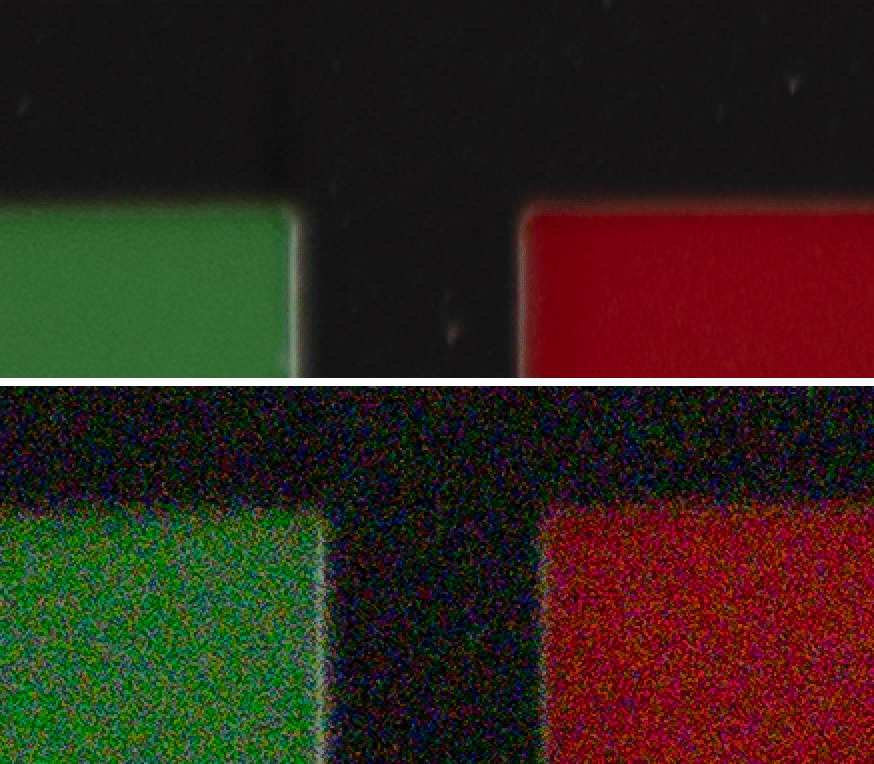
However, shooting at a low ISO means your sensor needs to capture more light, either by using a slower shutter speed, wider aperture, or a faster lens. Each option has its pros and cons. Photography is all about finding a balance between these factors.
When to use a low ISO
Low ISO in the range of ISO 100 to ISO 400 gives you the highest image quality.
You’ll use it for everyday photos on sunny days in the countryside or in the city, when an abundance of light makes shooting easy.
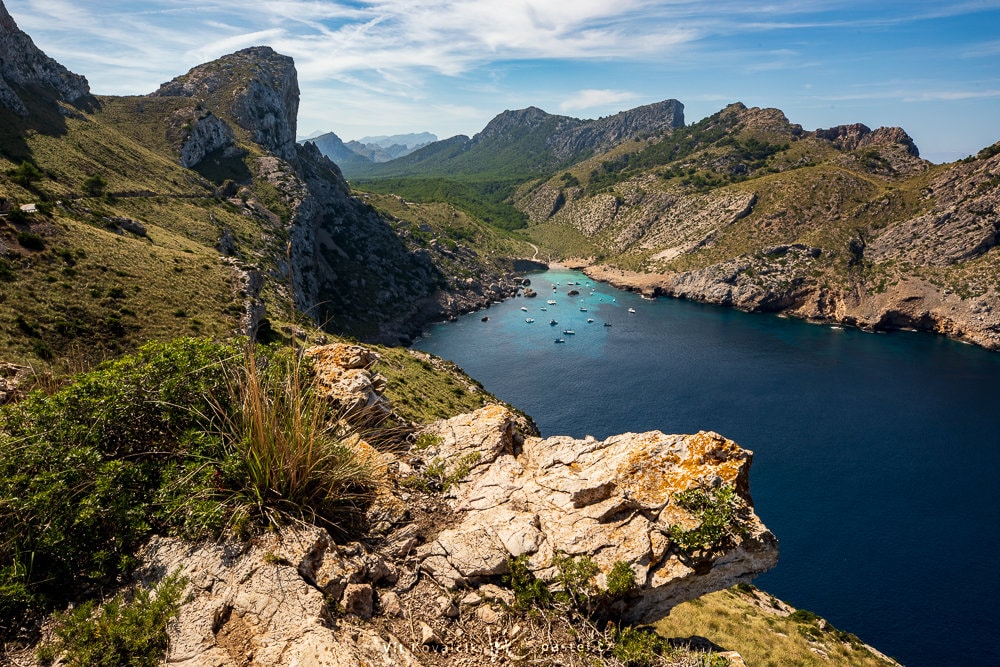
As dusk falls, the light diminishes dramatically, which is why landscape photographers carry a tripod. It allows them to set the ISO as low as possible and compensate for the lack of light by extending the shutter speed to several seconds, or even minutes.
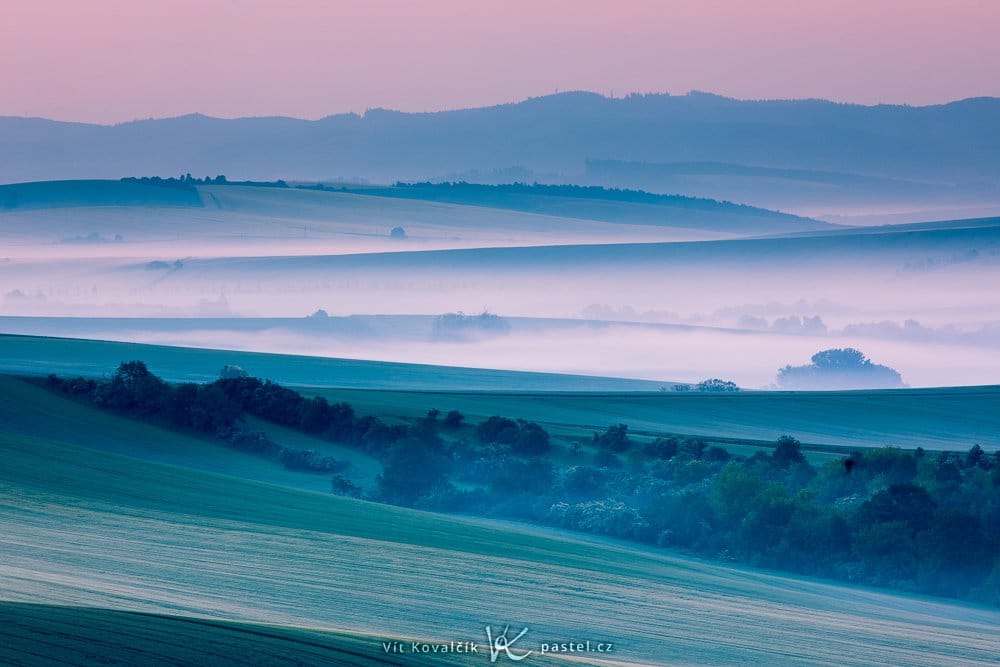
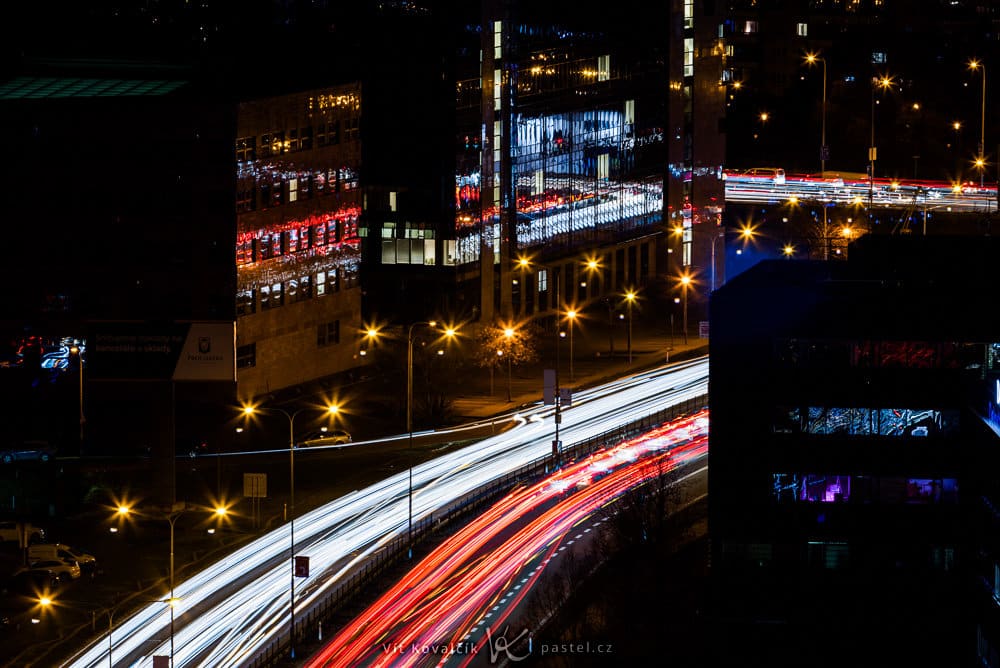
It’s worth using the lowest possible ISO settings when you’re intentionally extending the shutter speed. For example, when photographing car light trails or blurring moving water.
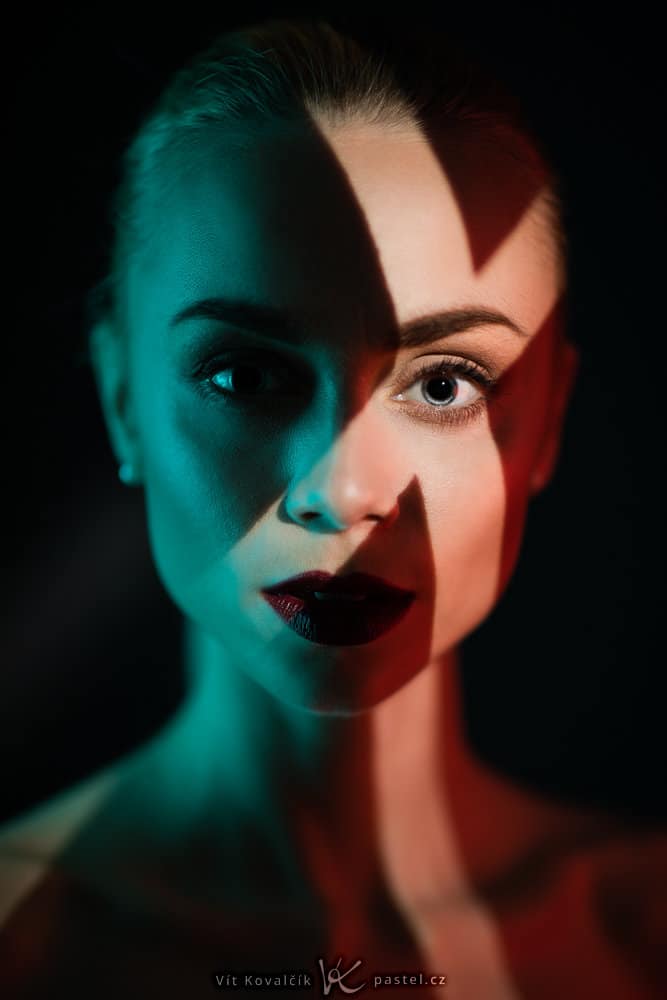
Low ISO is also useful when shooting in a photo studio. Studio lighting acts as a substitute for sunlight, giving you much higher image quality than with typical indoor photography.
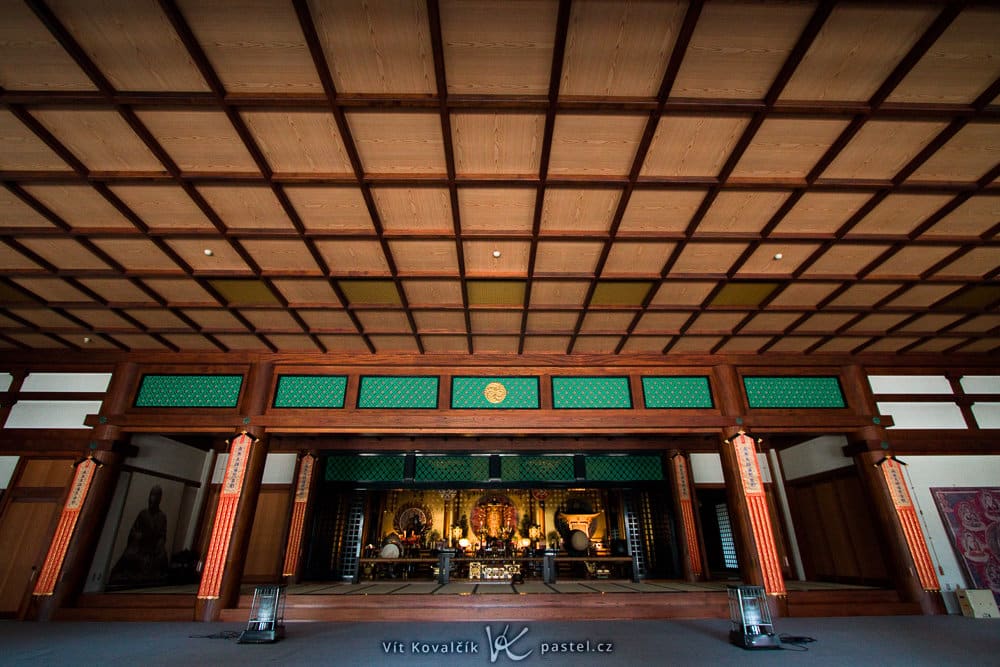
Then there are situations that force you to use the lowest possible ISO. For instance, when using fast lenses outdoors. Cameras have a limit on the shortest shutter speed they can capture. This is often 1/8000s, but less expensive models have a limit that’s half that—1/4000 s. With an f/5.6 aperture, you won’t come close to these shutter speeds, but with lenses with an aperture of f/1.4 or even f/1.2, you can run into trouble, and sometimes even ISO 100 isn’t low enough. In these scenarios, photographers intentionally darken the image using a neutral density (ND) filter.
When to use a high ISO
There’s no definitive rule for what constitutes high ISO. It largely depends on your camera sensor and tolerance for noise. Years ago, ISO 1600 was considered high. Today, modern sensors can produce usable images at ISO 12,800 and higher. These are numbers that older generations of photographers could only dream of.
In any case, you need a high ISO in low-light environments where you can’t afford a slow shutter speed—either because you don’t have a tripod and are shooting handheld, or because you need to freeze fast-moving action.
Common high-ISO scenarios
The most common scenario for high ISO is when shooting handheld indoors. Light levels drop off dramatically the moment you step away from a window. While the human eye can adjust, it’s sometimes surprising just how high an ISO setting the camera needs to use to get a proper exposure indoors.
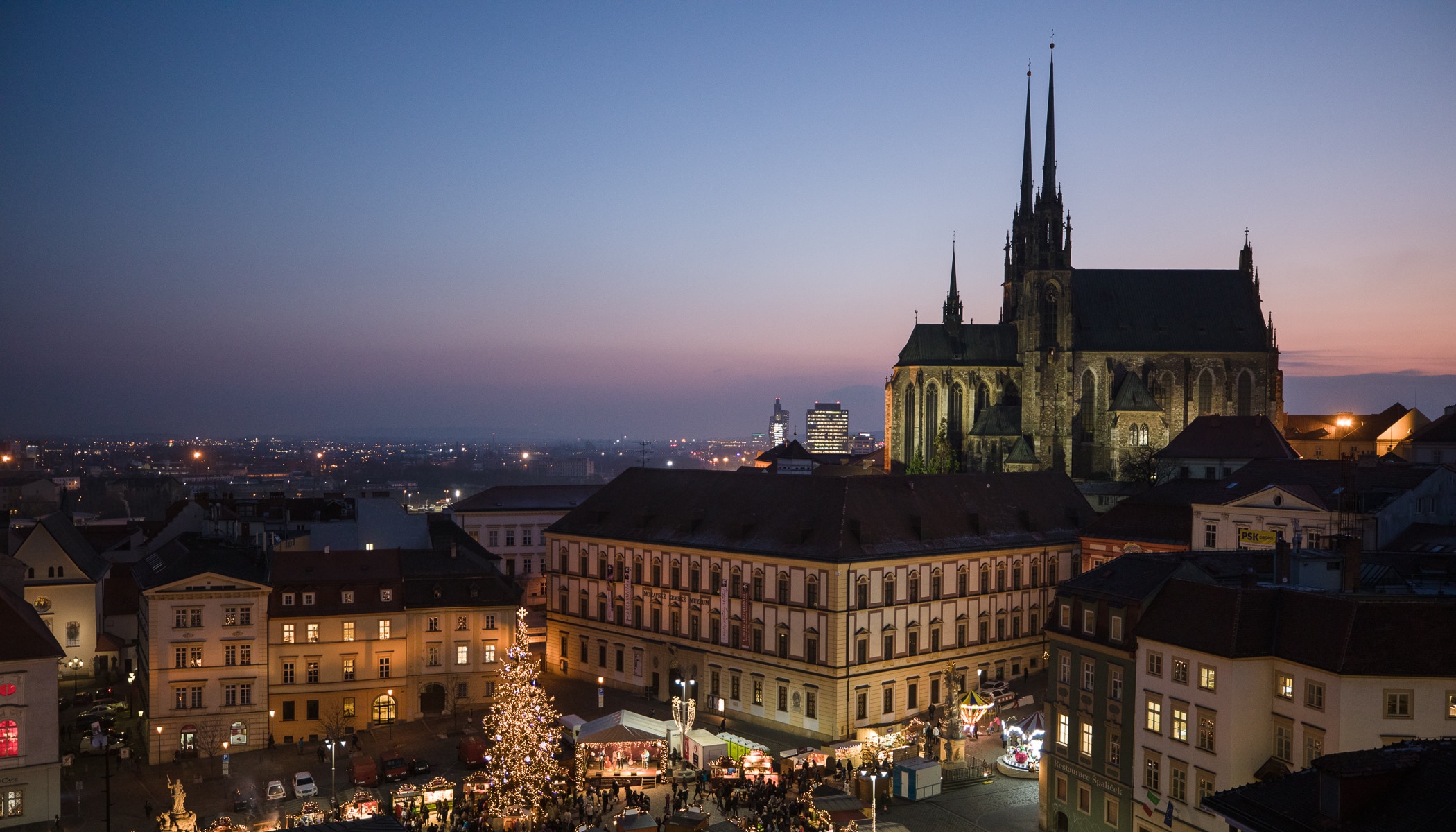
The same applies to nighttime cityscapes, when you may find yourself exploring without a tripod.
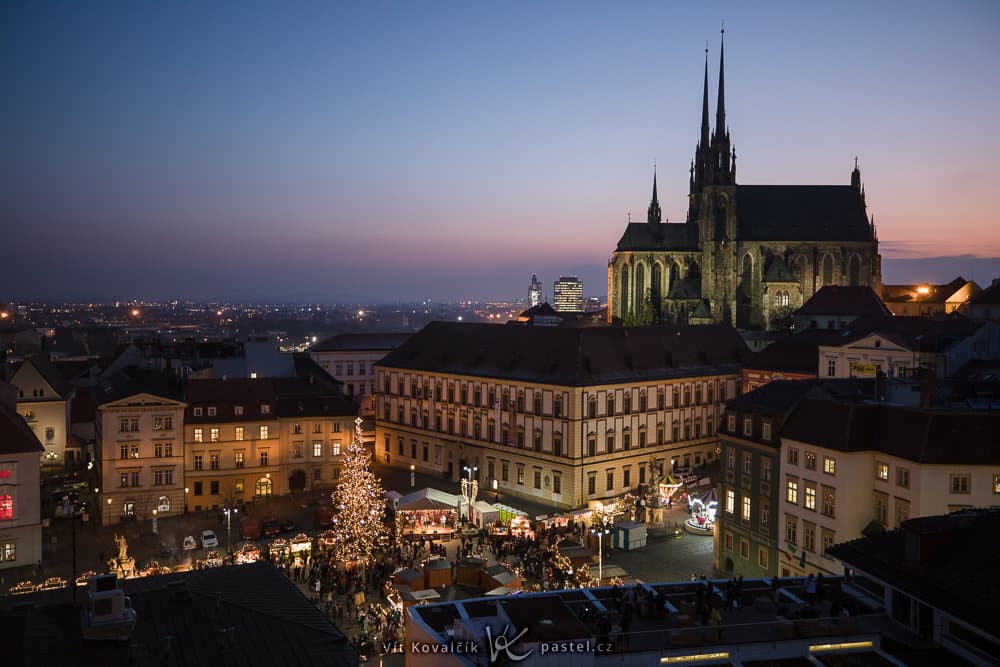
Canon 5D Mark IV, Canon 16-35/2.8 III, 1/60s, f/2.8, ISO 1600, focal length 31mm
You also need a high ISO when photographing sporting events and dance performances, unless they’re taking place outdoors. Even when shooting in a well-lit arena, sports require such fast shutter speeds that a high ISO is unavoidable.

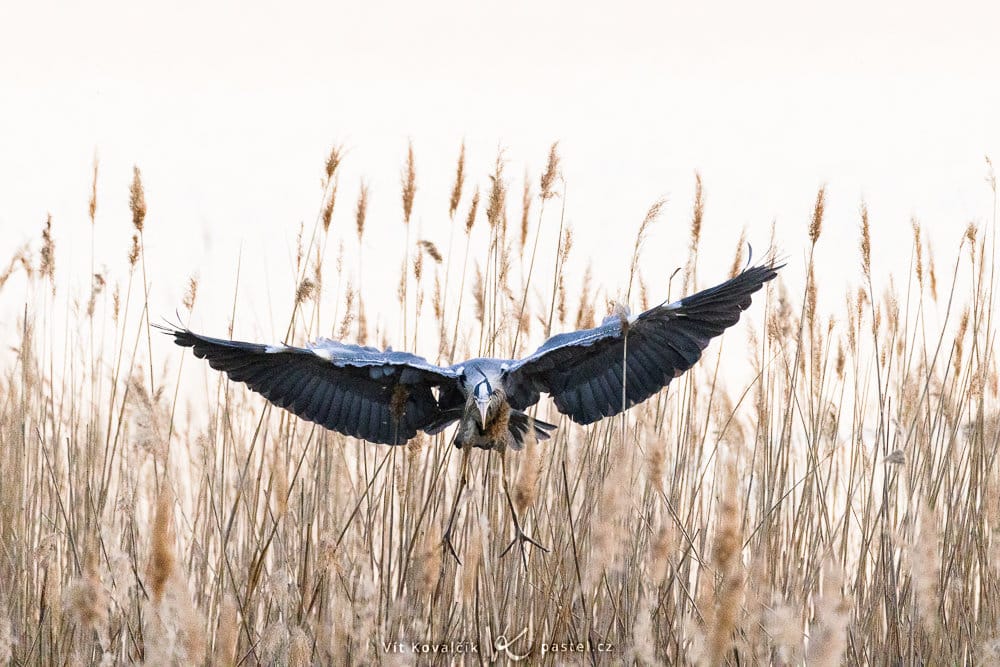
Wildlife is also fast and unpredictable. Even when shooting outdoors, the most dramatic action happens during the golden hour at sunrise or sunset. As the light fades, you find yourself using progressively higher and higher ISO to maintain your shutter speed.
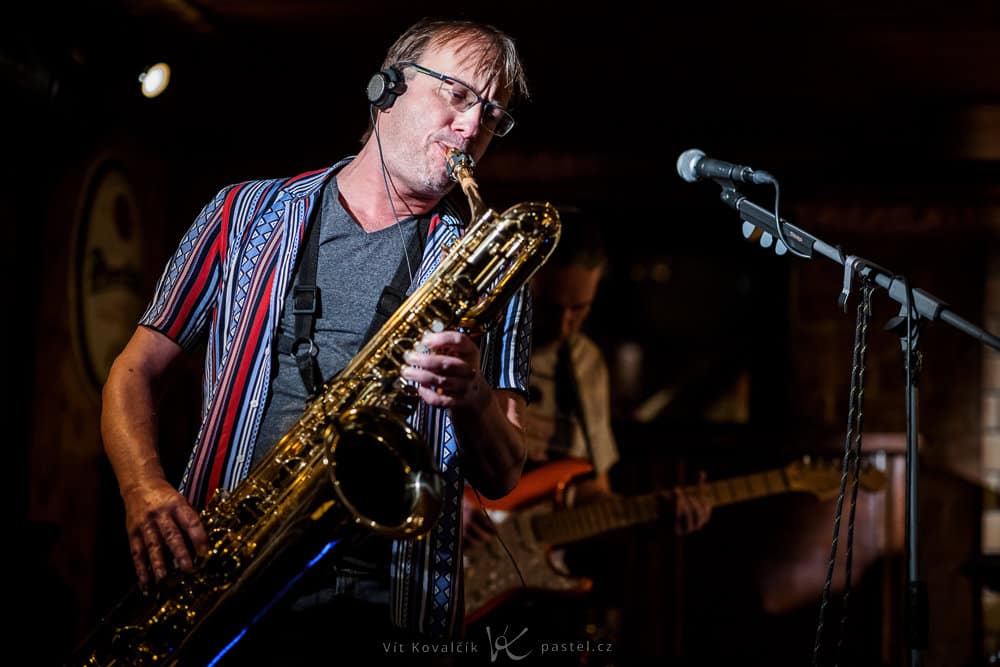
Event photographers also frequently find themselves in high-ISO situations when flash use is prohibited or would disrupt the atmosphere—whether it’s a wedding, concert, or corporate event.
Lowering digital noise
The main drawback of high ISO is increased noise. Fortunately, modern algorithms for reducing noise, like those built into Zoner Studio, or specialized applications like Topaz DeNoise can partially help deal with this issue.
However, reducing noise is always a compromise. This is because it usually results in a loss of detail, so these tools must be used with care.
How to keep your ISO lower
If you find that your images have too much noise, consider purchasing gear that can help pull those ISO numbers down.
For static scenes, like landscapes or architecture photos, purchase a sturdy tripod. This single piece of gear has the greatest impact on your image quality. Even professional photographers with very expensive equipment rely on tripods.
Things get a bit trickier when photographing moving scenes. A fast lens helps the most. Fast lenses are more expensive, but an expensive professional zoom right out of the gate. Often, a cheaper prime lens will suffice, and some have an aperture of around f/1.8, which is a big improvement over the lens included in basic camera kits. If fast glass isn’t enough, the next step is upgrading to a camera with a larger sensor, though this usually requires a new lens purchase too.
The golden rule of ISO
Keep your ISO as low as possible, but don’t be afraid to raise it when necessary. As you can see above, there are plenty of situations where a high ISO is perfectly normal. Generally speaking, noise is still better than a blurry, unusable photo.
FAQs
What ISO is best for everyday photography?
If there’s enough light, ISO 100 to ISO 400 is ideal. This gives you the highest image quality and the lowest amount of noise.
When should I use a high ISO?
Use a higher ISO when you are shooting indoors, at night, during sports events, live concerts, or any low-light scene where you need a fast shutter speed.
Is a high ISO better than a blurry photo?
In most cases, yes. Noise can be partially removed while editing, while a blurry photo can’t be salvaged.
How high can ISO be before the image becomes usable?
It depends on the camera. Modern full-frame cameras can often handle ISO 6400 to 12800 with very good results.
How can I lower ISO when shooting?
Use a tripod, a faster lens, flash, or shoot in better lighting conditions to help lower ISO.