Timing Couples Photography: When to Get the Best Light
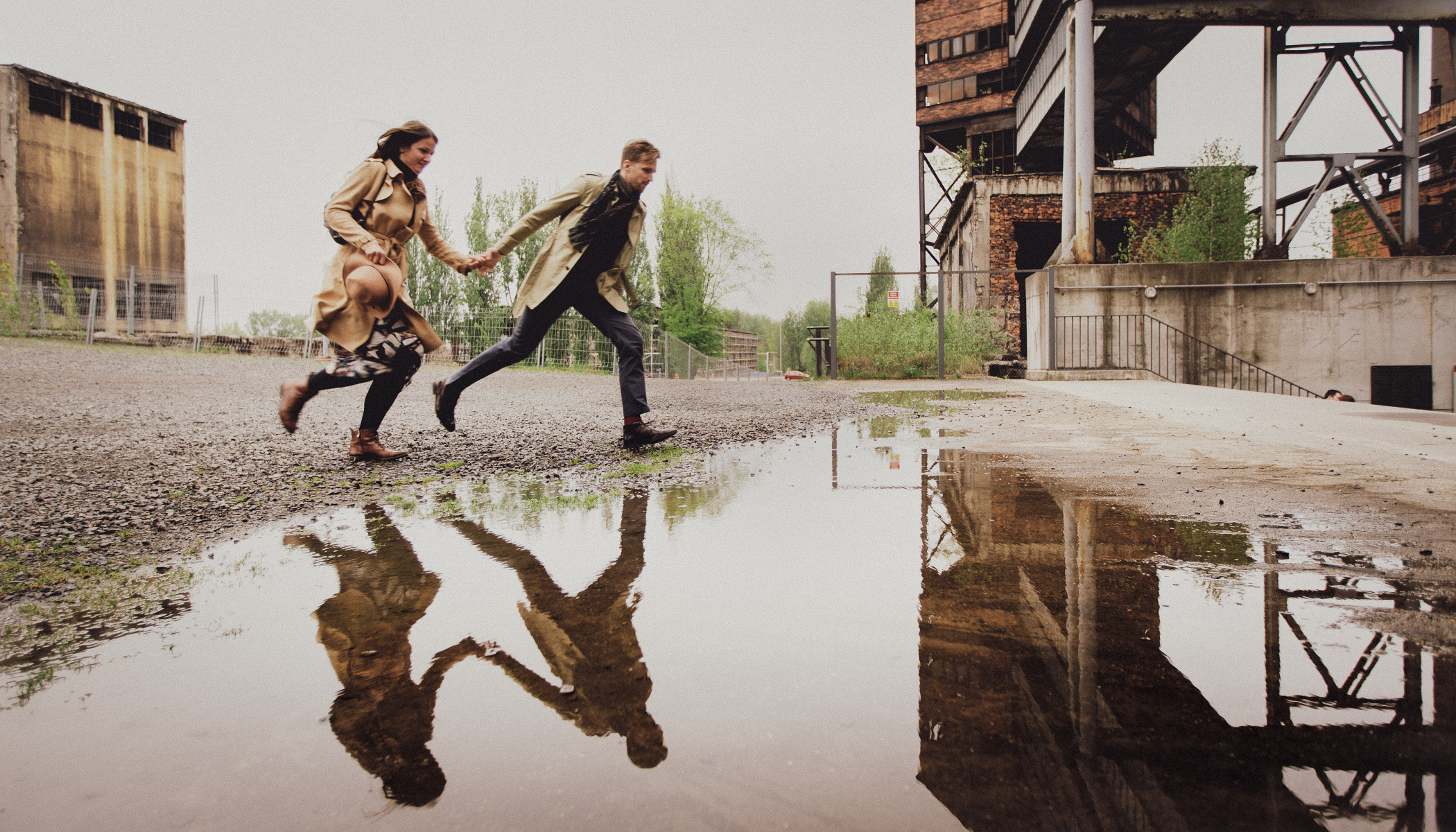
When is the best time to schedule your couples photography session? The golden hour is great, but you can also get great couples photos at midday or even on overcast days. Learn how to work with light in various conditions and discover how to time your shoot so you always get the best results.
In this article, you’ll learn:
- When is the best time for a couples photo shoot.
- How to make the most of the golden hour (morning and evening).
- How to photograph couples in overcast weather.
- How to handle harsh midday light.
- Why perfect conditions aren’t always necessary.
- How to plan alternatives for each shoot.
Light is a key factor for every photographer. It can give even a mundane location a truly magical quality. For couples photography, timing is crucial. Good light can take many forms, and always depends on the context. There’s no one-size-fits-all formula.

People often say that late afternoon light is the best. But what if you and your clients agreed on a session long in advance, and now it’s cloudy or even raining? You have to be prepared for any situation. You can go out of your way to find good light, but it’s much more important to know how to work with what you have available.
Timing your shoot for the golden hour
The hour before sunset is generally thought to have the most beautiful light. During the golden hour, the sun is low in the sky, so sunlight passes through a greater portion of the Earth’s atmosphere, reducing the intensity of direct light. At the same time, more indirect light from the sky reaches the surface, creating a pleasant, soft “fill” light. Late-afternoon light also has a warm golden hue that’s very flattering.

To give yourself the best chance of capturing the golden hour during your couples session, it’s a good idea to check the weather forecast carefully and choose a day with a high chance of clear skies. It’s also important not to plan too far in advance, as the weather may not cooperate.
The best scenario is when you and your clients are flexible and can adjust the timing based on the weather. That sounds great in theory, but in practice, schedules are usually tight. If it doesn’t work out, it’s important to remember that with some skill, you can take great photos in any conditions.
Shooting in overcast weather: Pros and cons
Overcast weather can actually be an advantage. Strong sunlight is diffused by clouds, so you don’t have to worry as much about the placement of the couple—the light is soft no matter where you go. Another benefit is consistency. Exposure and color don’t vary as much, so your photos look more uniform.

The consistency of light can also be a drawback, making images feel a bit flat. Try varying your angles and working creatively with movement and the environment—from above and below. Just be careful—portraits shot from below aren’t always flattering.
If the overcast weather coincides with the golden hour, keep an eye on the light as evening approaches. It fades faster than you might expect. If you’re shooting in the woods or another darker setting, start your session there.

Midday light: How to shoot in even the “worst” conditions
Midday is often labeled the worst time for photography—and for good reason. When the sun is directly overhead, sunlight passes through the thinnest part of the Earth’s atmosphere, and the light is much harsher and creates harsh, high-contrast shadows. It’s not ideal, but you can still work with it.

First and foremost, you can use flash to help balance the harsh sunlight. However, this is a more advanced technique that would warrant its own article. Even when done well, it won’t fully replicate the look of golden-hour light, and it can slow the shoot down.
A simpler approach is to avoid direct sunlight altogether. In cities, look for shade—especially near light-colored walls that reflect light. In nature, forests offer plenty of shaded areas. You can also move indoors, which is a great backup if it starts to rain. When choosing a location, it helps to have these options nearby.

That said, don’t be afraid to experiment with direct sunlight. Midday light can produce unique, vivid colors you won’t get at any other time.
Couples photography without the golden hour: What to do
It’s a good idea to schedule sessions for later (or earlier) in the day. However, this isn’t always possible, and the weather doesn’t always cooperate. It’s not the end of the world. It’s important to have backup plans and, ideally, scout locations in advance. Prepare different scenarios, and if one doesn’t work, move on to Plan B. This helps you stay calm, and your clients will appreciate your professionalism.
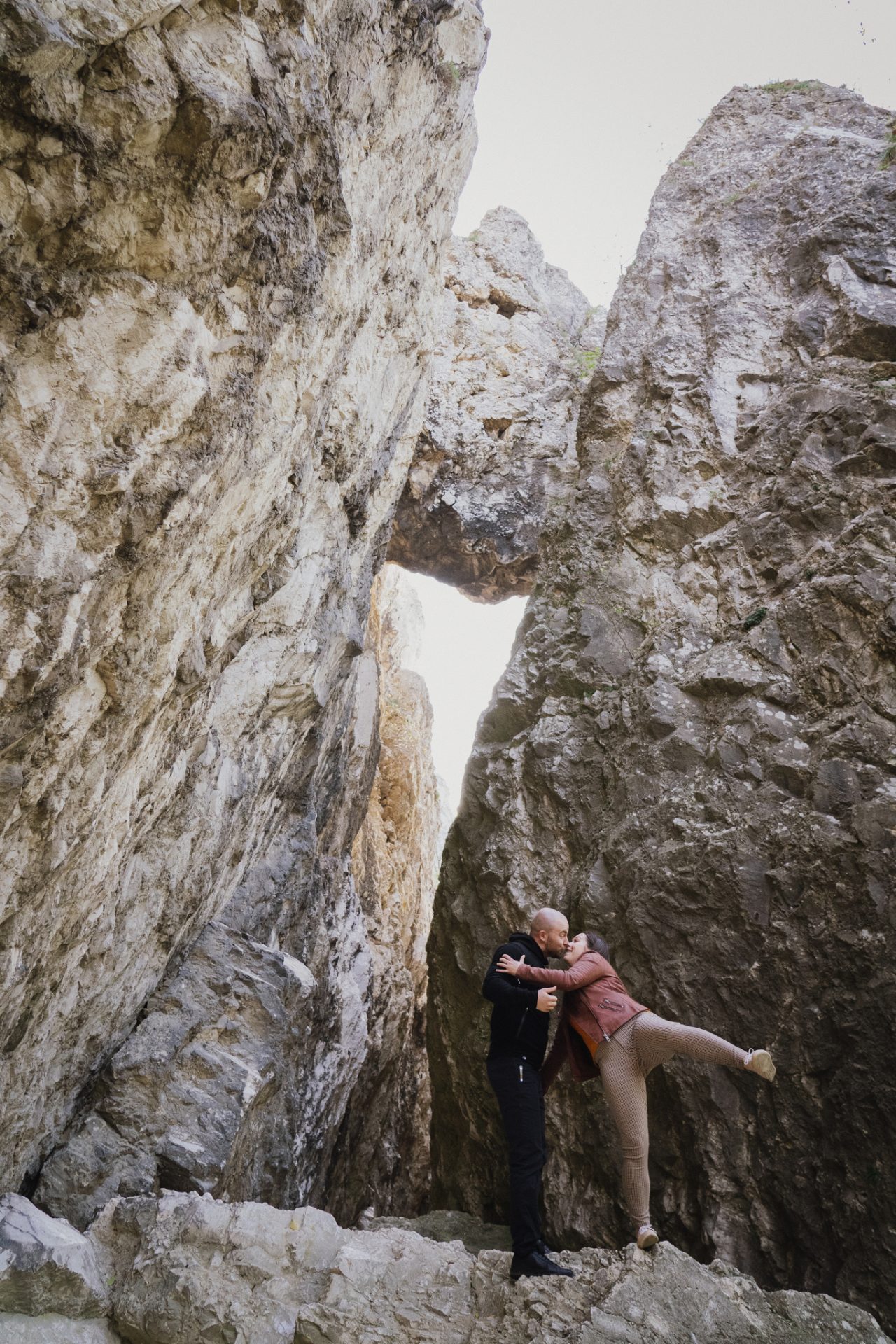

© Ondrej Čechvala
As you gain more experience, you can start experimenting with less traditional timing. In addition to midday, consider shooting in the city at night, which can produce plenty of unique moments.
Morning golden hour: Often better than evening
Don’t forget that the golden hour also happens after sunrise. In many cases, the morning golden hour is actually the better option, especially in summer. First, it’s cooler, so you and your clients will feel much more comfortable. Second, thunderstorms often roll in during the afternoon, which could ruin your evening golden hour. The weather tends to be more stable in the morning.

The biggest challenge may be convincing your clients to agree to such an early photo shoot. If you offer this option, it’s important to familiarize yourself with its benefits. It’s best to start shortly after sunrise.
Photography isn’t about finding perfect conditions—it’s about learning to work with what you have. That’s what sets an experienced photographer apart.
FAQs
When is the best time for a couples photo shoot?
The golden hour is most recommended—about one hour before sunset or after sunrise. The light is soft, warm, and flattering for skin tones.
Can you do a couples photo shoot at midday?
Yes, but you need to avoid direct sunlight. Look for shade, shoot in the woods, or use reflected light in the city.
Is overcast weather suitable for a shoot?
Yes. Clouds act as a natural diffuser, creating soft, even light. The trade-off is a less dramatic atmosphere.
Is the morning or evening golden hour better?
The morning is often more stable (fewer storms, cooler weather, fewer people). Evening is usually more convenient for clients.
What should you do if the weather doesn’t cooperate?
Have alternatives ready—indoor locations, shaded areas, or a different time. The key is flexibility and experience.