

When Light Is the Deciding Factor: Let Natural Light Guide You
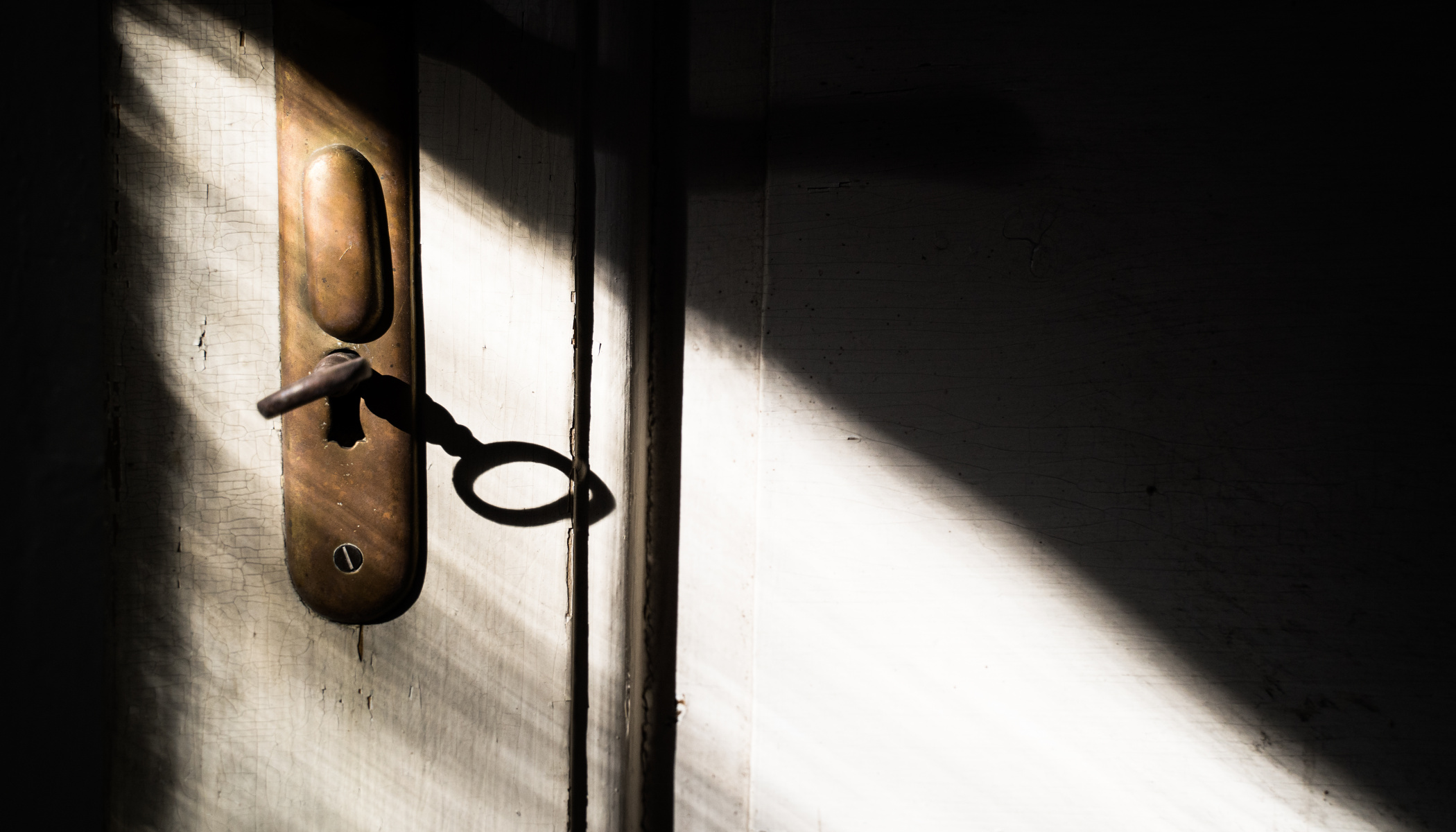
When you follow the light, you don’t have to search for a subject. Let light be your guide—let it tell you where to go, when to press the shutter button, and what to leave in the shadows. Whether you’re shooting at home, outdoors, or in the city, working with natural light and contrast brings you back to observation, the importance of slowing down, and the joy of exploring your surroundings.
In this article, you learn:
- How to let natural light guide you instead of searching for a subject.
- How to work with harsh sunlight and contrast.
- When and why to underexpose a photo.
- How to use daylight at home.
- How to work with light when shooting portraits.
- Why harsh light is perfect for black and white photography.
- How light limitations can encourage creativity.
Practically speaking, this means one thing: go where the light leads you, whether you’re at home or outdoors. This could be patches of light on the ground, the sun’s rays filtering through the trees, or shadows on a friend’s face.

Using harsh light and contrast
Harsh light is a powerful tool. Direct sunlight creates clear boundaries between light and shadow and allows you to work with the graphic quality of a scene. In open landscapes, silhouettes, sharp lines, textures, and rhythm stand out. In the city, shop windows, passageways, and facades create sharp slices of light that simplify the chaos of the street scene. Try to find a place where light and shadow meet and wait for someone to enter that boundary.


© Ester Dobiášová
When, why, and how to underexpose photos
Don’t be afraid to let part of the image fall into darkness. Your camera automatically tries to balance the scene to a medium brightness, which often reduces contrast. When light is the main subject, it’s more important to preserve detail in the highlights than in the shadows. How do you do that? Underexpose the photo in manual mode or lower the exposure by −0.7 to −1.5 EV.


© Ester Dobiášová
Natural light indoors
Light at home constantly shifts from object to object, from wall to wall, throughout the day. Blinds and curtains break it into stripes and patterns you can use when taking portraits.


© Ester Dobiášová
Try abstract photography. Notice the reflections on the walls, floor, and furniture. They often create unexpected shapes that last only a short time. For example, the air above a radiator is agitated by the rising heat, making the light that passes through it ripple and flicker on the wall.

Working with Light when taking portraits
As I mentioned earlier, you can also let light guide you when taking portraits. Position your subject within the pattern created by the light. These can be stripes of light passing through blinds, or light filtering between leaves or outstretched fingers. For example, Czech photographer Antonín Kratochvíl works in a similar way. In his earlier portraits of well-known figures, it’s sharp shadows that define the mood. You won’t find any clean, evenly lit portraits in his portfolio.


In addition to natural light, artificial light can also be used. © Ester Dobiášová
Converting photos to black and white
Black and white photography is a natural way to truly focus on light. Once color is gone, only the essentials remain: light, shadow, transitions, and contrast. Thanks to its strong contrast, harsh light is perfect for converting to black and white. However, it can sometimes come at the expense of color. It depends whether you want the graphic structure of the scene or its color to be more dominant.


© Ester Dobiášová


© Ester Dobiášová
Light as a return to joy
Focusing on light rather than the subject can feel limiting, but I personally find these limitations useful. Suddenly, there aren’t endless shooting possibilities—I’m forced to work creatively with what I have. For me, letting myself be guided by light is a kind of meditation in motion. Photography becomes a quiet focus on the present moment, and I hope following the light helps you discover that too.
FAQs
How can you shoot in bright sunlight? Focus on the contrast between light and shadow. Look for silhouettes, graphic lines, and clear boundaries. Don’t be afraid to underexpose the image to preserve detail in the highlights.
When is it appropriate to underexpose a photo? Underexposure is appropriate when light is the main subject. It preserves detail in bright areas and enhances contrast. It’s typically used when shooting into the sun or in strong midday light.
How to use window light when shooting portraits? Place your subject in a spot where the light from the window falls. You can work with stripes of light from blinds or with soft side light that shapes the face.
Is hard light suitable for portraits? Yes, if you want to create a dramatic atmosphere. Hard light emphasizes texture, wrinkles, and facial structure. It’s often used for expressive, artistic portraits.
Why convert a photo to black and white? Black and white photography emphasizes light, contrast, and composition. By removing color, the viewer focuses more on the structure and atmosphere of the image.
How can I find a subject using light? Instead of searching for a subject, observe where the light falls. Wait for someone or something to enter the lit area to complete the scene.

There are no comments yet.