

Out of Photography Ideas? Here’s How to Find Inspiration Again
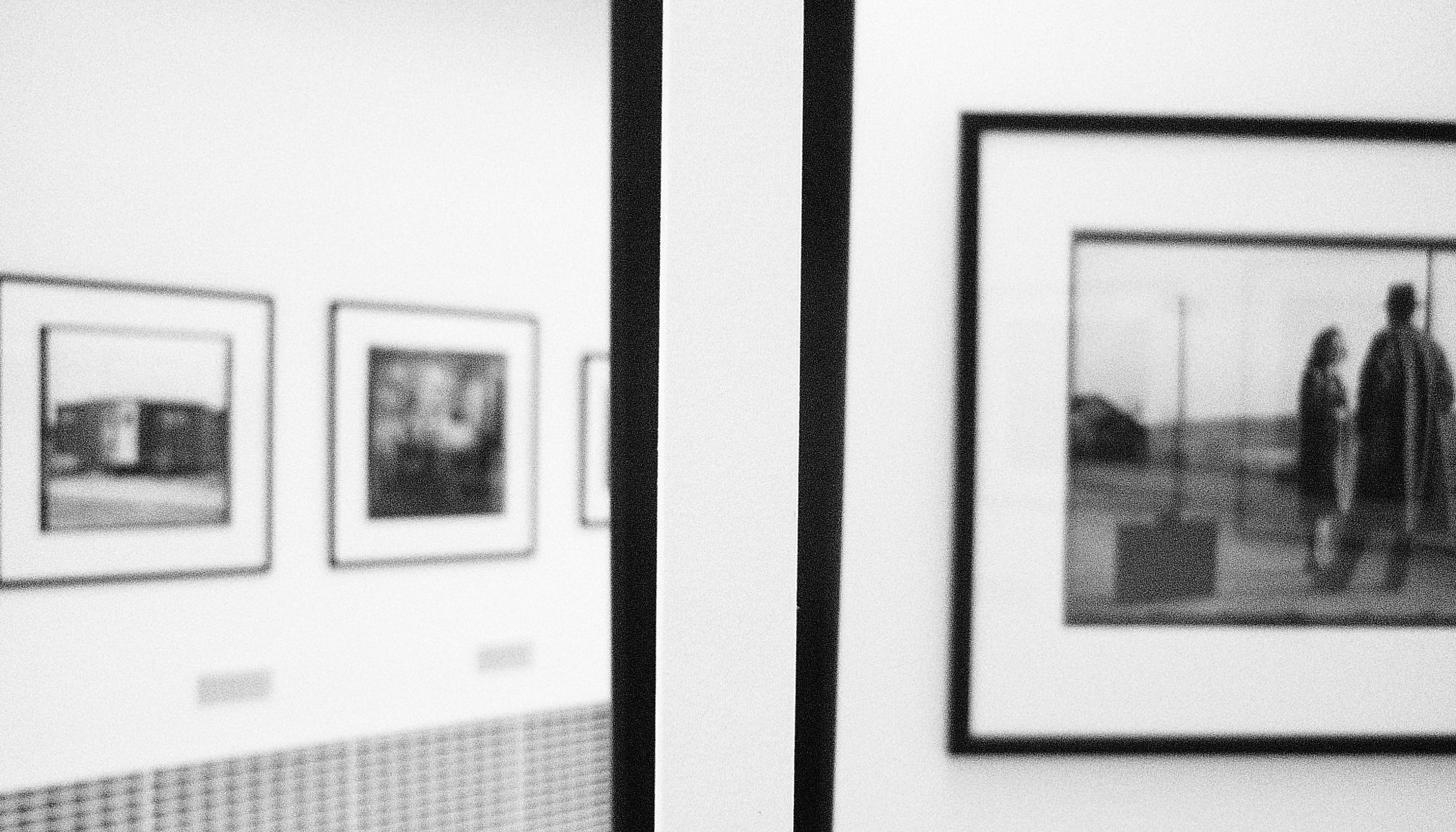
There are times when you have a camera in your hand, your finger on the shutter button, and you just don’t know what to photograph. The inspiration hasn’t disappeared—you’re just looking in the wrong place. In this article, I show you where to find ideas for photoshoots, how to reignite your inspiration, and why you won’t find it by scrolling social media.
In this article, you’ll learn:
- Where to find photography inspiration when you don’t know what to shoot.
- Why looking at individual photos isn’t enough—and why you should focus on entire projects.
- How exhibitions, galleries, and photography books can help you.
- How to draw inspiration from outside photography (film, music, literature).
- Why it’s important to slow down and explore your own ideas.
Inspiration isn’t about seeing more, but seeing things differently. I’ll show you specific places and methods that work—from exhibitions and books to sources outside of photography, where it often begins. Instagram alone won’t provide long-term inspiration.
Drawing inspiration from other photographers (and their projects)
One of the most powerful sources of inspiration is following photography projects, series, and long-term work—not just individual standout shots taken out of context. A series lets you see how the photographer thinks, how they work with the theme, rhythm, and image selection. You can apply all this to your own work.
Exhibitions are a powerful first point of contact. They give you the opportunity to see photography in a physical space, with a specific selection and order that the photographer or curator considers essential. An exhibition often serves as a gateway—if the work speaks to you, it’s worth exploring further.
The next step is photographers’ personal websites. They offer broader context, older projects, and sometimes even texts or working notes. Contemporary photographers often publish their work on social media and their websites. When their work gains recognition, it is often published in book form.

Monographs and photography books represent the most concentrated form of a photographer’s work. The selection of images, their sequence, and the physical form of the book create a complete piece you can return to repeatedly for inspiration.
Why you should visit photography exhibitions
Exhibitions offer an experience that a screen can never fully replace. They give photographs a physical dimension—size, paper, texture. A small, intimate print has a different effect than a large-format image that fills the entire field of view.
The installation as a whole is just as important. Exhibitions work with space and rhythm, alternating powerful images with more tranquil ones, creating pauses, returns, and a sense of progression. This spatial narrative is a powerful source of inspiration—it shows how to think about photography beyond the individual image.

Photography books and literature: Powerful sources of ideas
Books have one major advantage: they allow you to slow down. When leafing through a book, inspiration doesn’t strike instantly, but builds gradually through details, connections, and context.
You can find books by both classic and contemporary photographers in bookstores or online. For example, publications from Taschen, Aperture, or Thames & Hudson offer books built on a solid concept.
But inspiration doesn’t have to come only from photography books. Literary texts or poetry can reveal themes and moods that can be translated into images. It’s not about illustrating a story, but about capturing a feeling, a rhythm, a landscape, or relationships between characters.

What you can learn by following photo agencies
Following photo agencies allows you to see photography as a process. You see how projects evolve over time, how photographers return to a theme, and how they respond to changes in circumstances and their own perspective. Inspiration isn’t just the final image—it’s the entire process: patience, consistency, and the ability to stay with a single theme longer than might feel comfortable.
A typical example is Magnum Photos. The work of its photographers shows how photography can function in relation to time, history, and place. Projects often unfold over years and are not limited to a single report. Magnum’s archive lets you view historical images alongside contemporary work and observe how the language of photography, and the themes that resonate, evolve over time.
Inspiration outside of photography: Music and Film
Inspiration often comes when we stop looking for it directly in photography. Movies and TV series are a powerful source of ideas. They offer a thoughtful approach to composition, light, color, and narrative rhythm. A still frame from a movie often works like a finished photograph and can inspire a different way of framing a scene. I recommend films by Wes Anderson, especially for their use of color and composition. You can also find powerful black-and-white imagery in films by Ingmar Bergman.

Do you like the color grading in Wes Anderson’s films? Watch the video to learn how to replicate his color style in Zoner Studio.
Music works in a similar way. Tempo, repetition, silence, and intensity can all influence how we perceive an image. Music also plays a role in portrait photography—not just as background sound. A photographer friend of mine from Germany once played loud metal music in his studio while photographing a construction crew. The atmosphere of the shoot was intense, and their expressions made them look like they were holding guitars on a world tour instead of drills.
How to prepare for a photo shoot
A sketchbook, notepad, or even a scrap of paper lets you jot down ideas, observations, or situations worth photographing. Ideas captured in words or simple sketches can later be developed into photographic projects.
Inspiration isn’t a single source you return to. It’s more like a network of different stimuli that connect and reinforce each other. Sometimes it’s the work of other artists; other times it’s a book, an exhibition, or a completely ordinary situation outside photography.
It’s important to vary your sources of inspiration and give yourself space to slow down and notice things. Stop constantly searching for new images and give yourself the time to really see them, reflect on them, and return to them. That’s when inspiration starts to take shape. Perhaps it’s not about taking more photos, but about looking more closely.
FAQs
Where can I find inspiration and ideas for photography?
You can find inspiration not only in other photographers’ work, but also in exhibitions, photography books, movies, music, or literature. It’s important to focus on entire projects, not just individual images.
What should I do if I don’t know what to photograph?
Try a change of scenery—visit an exhibition, open a photography book, or jot down ideas. Inspiration often comes when you stop actively searching for it.
How can I draw inspiration from other photographers?
Follow their long-term projects, series, and working methods. Focus on how they approach a subject, not just the final images.
Can visiting exhibitions help improve my photography?
Yes. Exhibitions present photographs in context, including the selection, sequence, and installation. This helps you better understand the photographer’s work.
What photography books are good for inspiration?
Photography books, monographs, and literary works. Inspiration doesn’t have to be purely visual—it often comes from stories, emotions, or atmosphere.
Can film or music be a source of inspiration for photography?
Yes. Film can influence composition, light, and color, while music shapes the rhythm and mood of your images.

There are no comments yet.