

5 Portrait Photography Tips that Make Your Life Easier
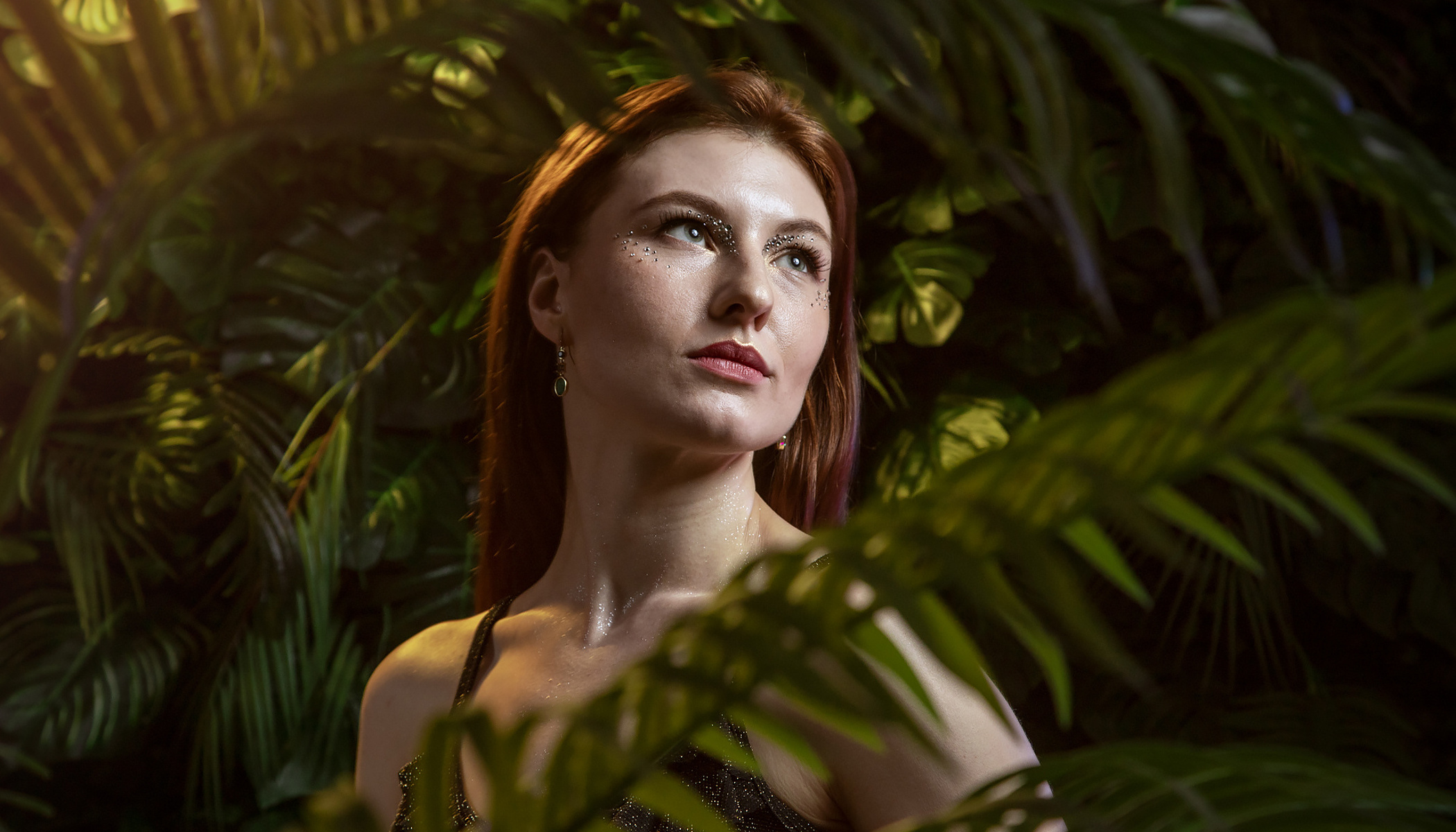
We’re always learning as photographers. First, we master the basics. Then we add more techniques. And eventually, we’re able to deliver high-quality results in almost any conditions without overthinking it. That’s what this article is about—how to take flattering portraits of your client, even if they have no posing experience but still want to look good in the final photos.
In this article, we discuss:
- how to position light so it’s flattering and looks natural
- why catchlights are key to lively eyes
- how to control the nose shadow and how it affects the shape of the face
- how to use light to shape the mood of a portrait—from sensual to business
- how to discreetly hide a client’s flaws without unnecessary comments
Success in portrait photography comes down to two things: working with light and working with your subject’s posing and expressions. Light determines how good your subject looks. Posing and facial expressions determine whether your client will like the portrait.
1. Raise the light and let it fall on your subject
The most natural and common direction of light is from above. The sun is above us most of the time, and indoors, the light usually comes from the ceiling. Your main light can come from the side, but if you place it higher and tilt it slightly toward your model, you’re already on the right track. It can be soft or more intense depending on your intention, but placement matters. The next two rules will make it easy to check.

2. Catchlights are a must
Catchlights—the reflections in the upper third of the eye—are the spark that bring portraits to life. They make the eyes shine and the face look more natural. Before pressing the shutter, always check whether there’s a visible reflection in your model’s eyes. If not, move the light a bit forward and/or lower.

3. Watch the nose shadows
The nose shadow is another thing you can’t overlook when lighting a portrait. The light must be high enough so the shadow falls directly under the nose and doesn’t reach the mouth. Otherwise, the nose looks longer in the photo.
On the other hand, if you don’t see any shadows, it means the light is too frontal, and you lose the shadows that give the face structure. Again, the height of the light determines the length of the shadow—the higher the light, the longer the shadow.

4. Lighting and mood
When shooting portraits, always remember your goal and your clients’ expectations. If you’re shooting a sensual portrait as a gift for a partner, you can get away with deeper shadows, stronger contrast, and a more dramatic atmosphere.
With business portraits or LinkedIn photos, there’s no room for drama. The face must look positive, open, and well-lit. This is where a reflector or another light source can help. But don’t place the reflector directly opposite the main light, because the reflection would be too strong. And remember to light the background as well. When shooting employees in an office, you can incorporate the interior. It helps the subjects look natural and trustworthy.


Tip: A reflector should “air out” the shadows, not compete with the key light. With a silver reflector, be especially careful not to place it too close to the model. The effect would be too strong and wouldn’t look good.
5. Conceal blemishes—but don’t comment on them
You’ve probably met someone who arrives at a photo session saying, “I don’t look good in photos. They always turn out awful.” This usually means that they have features that society doesn’t celebrate—wrinkles, dark circles, gray hair, or weight concerns. Clients who struggle with their self-image often come to a session worried.
Our job isn’t to pretend those things don’t exist, but to help them look good without lying to them. And that’s surprisingly easy with good light and the right head or body position. But you don’t need to talk about it during the shoot. The client should feel comfortable and enjoy the experience, not focus on what they see as flaws.
A large light source placed slightly in front can help soften skin texture and signs of aging.
A double chin becomes less visible if you shoot from slightly above eye level. And don’t point the reflector downward, or you’ll unintentionally illuminate the chin.
Clients with larger figures benefit from poses or compositions that make them feel at ease. Have them lean against a table or car, or use a tighter crop. They’ll feel more comfortable, and the result will look more natural. If none of these are an option, work with the light. Suggest dark clothing and use the shadows to your advantage.


FAQs
Do I need expensive lights for these techniques to work? No. Most of these concepts can be applied with a single light or even daylight from a window. Position matters more than price and quality of the equipment.
Do these tips apply to portraits taken on a mobile phone? Yes. Light, shadows, and head position matter whether you’re shooting with a DSLR, mirrorless camera, or mobile phone.
How quickly can I learn these techniques? You can learn the basics in just a few sessions. Conscious control of light and shadows make the biggest difference.
What if the client doesn’t cooperate when posing? Then lighting and subtle changes to head position become even more important. Even a small adjustment in posture can make a big difference.


There are no comments yet.