

Photographing the Big City: 7 Things to Focus On
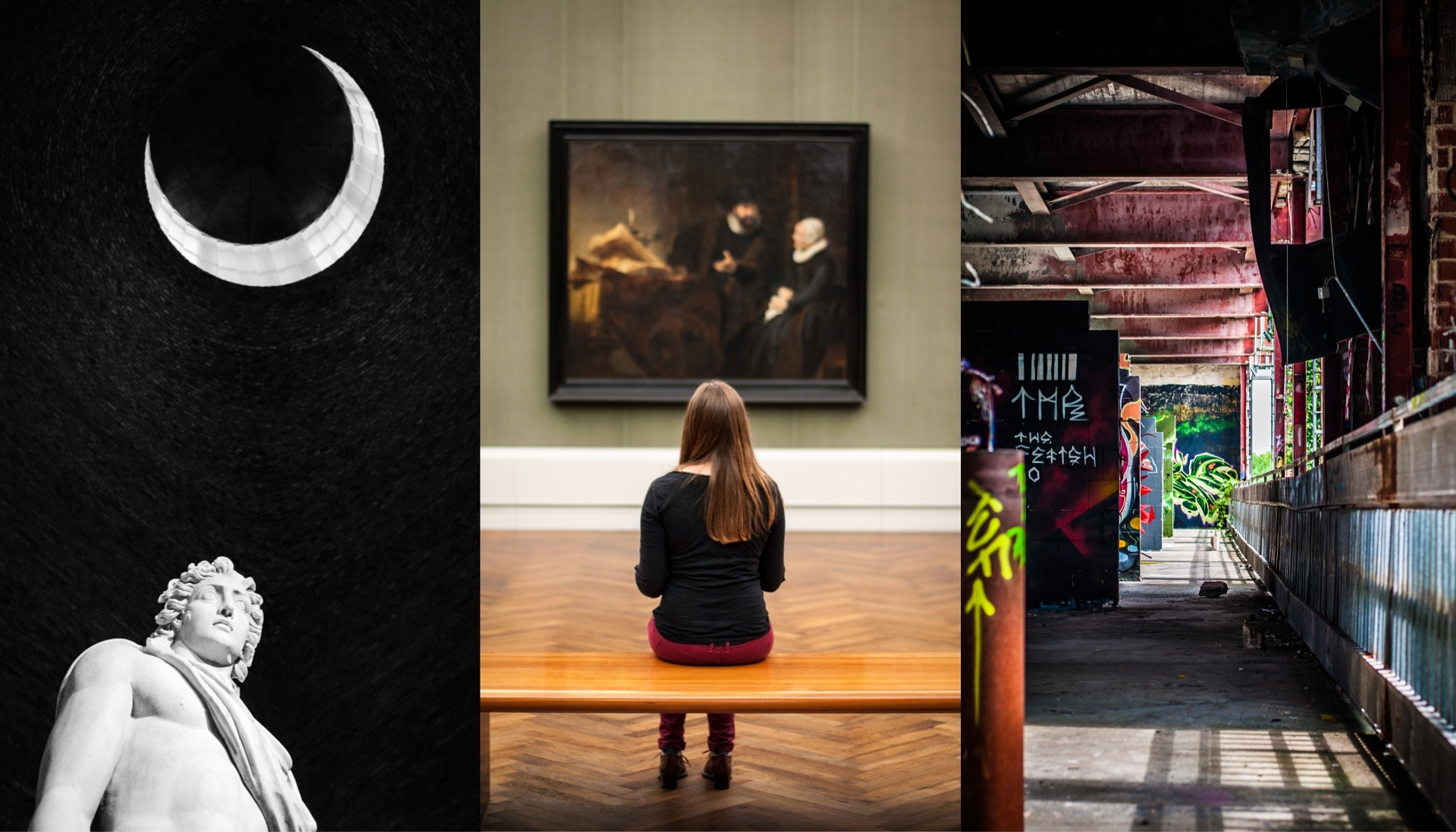
Shooting in the city offers an endless variety of scenes – but that’s exactly what makes it challenging to navigate. We’ll show you how to photograph a big city so your shots have atmosphere, a story, and a clear visual style – from street photography to architecture to the details others walk right past.
What you’ll learn:
- How to photograph in the city and find your own style.
- How to use the typical elements of a big city in your photography.
- How to photograph people naturally and respectfully.
- How to capture atmosphere even without people in the frame.
- How to find stories in the streets.
- How to photograph abandoned places.
- How not to get overwhelmed by too many stimuli.

Berlin, London, Prague, or Barcelona are more than just “bigger cities”. Each has its own pace, sound, colors, and inner tension. That’s exactly what makes them both a challenge and a draw for photographers.
How to use the city’s iconic features in your photos
Every big city has its own visual shorthand. London is inseparable from the color red – red double-decker buses, phone boxes, the guards’ coats at Buckingham Palace, or postboxes.
In multicultural Berlin, as in many other European cities, you’ll find people of all backgrounds, alternative neighborhoods, street artists – and yet the city still carries the weight of World War II. These motifs can instantly anchor a shot in a specific place and open up a whole series where viewers immediately know where they are.

Don’t just stick with the shortcuts everyone knows. As photographers, you’re discovering the city for your viewers. The better you know it, the stronger your shots tend to be. You know where the crowds gather and where people rarely go. It’s often in these quieter spots that unassuming but authentic scenes play out. Tourist hotspots are great for practising your powers of observation, but the more striking photos often happen one street over – where the locals actually live.

How to photograph people in the city
Big cities are defined above all by their people – the diversity of cultures, skin tones, styles, and behaviors you won’t find anywhere else. Pay attention to gestures, glances, and the distances between people – they’ll tell you whether you’re looking at strangers in a crowd or friends.

When photographing people, sensitivity is key. Don’t try to “hunt down” difference – instead, see the person as part of the city and the moment. Sometimes it’s better to stay back and work with the context of the street; other times it makes sense to get closer and focus on an expression or a detail. Go with your gut – if you’d feel uncomfortable being on the other side of the lens, don’t shoot; just watch.


If you’re not yet confident with street photography, try practicing in museums or galleries, which big cities have in abundance – and many are free to enter. People photograph things there constantly, and nobody can tell whether you’re shooting the artwork or the visitors.


© Ester Dobiášová
How to photograph the city without people – but still tell a story
You don’t always need a person in the frame for the photo to be about people. A big city is full of traces of human presence – in its architecture, street art, signs, and details that wouldn’t exist without people.


Work with two layers in your frame. A camera mounted on a wall above a simple sign reading “jaja” (Czech slang for “yeah yeah”) invites multiple interpretations – much like a museum sculpture that carries emotion even without movement.


© Ester Dobiášová
How to capture a story in street photography
Big cities are the backdrop for countless planned and unplanned events – demonstrations, concerts, street performances, and small everyday scenes. This is exactly where powerful and unexpected stories emerge. These situations also give you a great chance to practice your reflexes and overcome any shyness about photographing people. Remember to take in the atmosphere of the whole scene too.


I stumbled upon a free outdoor concert in Berlin completely by chance and immediately seized the opportunity to capture the scene in my own way. You can even send the photos to the organizers afterwards – they might invite you back next time, and maybe even pay you. © Ester Dobiášová
Photographing abandoned places in the city
Abandoned or temporarily unused buildings offer a completely different atmosphere from busy streets. Time seems to have stopped here. Some are freely accessible – like an old faculty building awaiting renovation – while others require a guided tour, such as the former American listening station on the Teufelsberg (“Devil’s Mountain”) in Berlin.


© Ester Dobiášová
These locations are photographically fascinating for their silence, the light streaming through broken windows, and the traces of their past. Focus on the details: peeling walls, remnants of old equipment, graffiti, impressions left in the dust. You won’t find many people here, but their presence is felt everywhere. The contrast between the living city outside and the abandoned space within gives these shots a powerful charge.


© Ester Dobiášová
How not to get overwhelmed by stimuli
A big city can feel chaotic – but that’s also its strength. You don’t need to photograph everything; in fact, it helps to consciously limit yourself. Pick one motif and stick with it. It could be a specific color, a certain type of person, or even just one street you walk up and down several times – at different times of day or in different seasons. Once you narrow your focus, you stop reacting to every stimulus and start waiting for the moments that fit your theme.


Centered composition is one of my favorites. But it really works best in axially symmetrical scenes. Exploring a city like Berlin this way is a perfectly valid approach. © Ester Dobiášová
The city as a chance to grow
A big city can’t be fully photographed – and it doesn’t need to be. What matters is finding your own way of seeing it and sharing that perspective through your photos. Once you build a personal connection with a city, you start seeing it differently from a tourist – and your photos gain more depth and authenticity.
Every street, neighborhood, or return visit at a different time of day can offer a fresh perspective – whether it’s New York, Madrid, Budapest, or Paris. That’s the power of urban photography.
FAQ: Common questions about city photography
How do I photograph in the city when there are people everywhere?
Focus on a detail, a specific motif, or one particular scene. Shooting early in the morning or in the evening also helps.
What lens is best for city photography?
Focal lengths of 35 mm and 50 mm are most common. Wider lenses work well for architecture.
Is it legal to photograph people on the street?
In most cases, yes – but it always depends on the specific country and how the photo will be used. Ethics matter too.
How do I capture the atmosphere of a city?
Focus on light, colors, interactions between people, and recurring motifs.
What else can I photograph in the city besides landmarks?
Details, street art, reflections, the everyday lives of locals, or lesser-known spots.

There are no comments yet.