

Shooting in Bright Sunlight: Making the Most of Hard Light
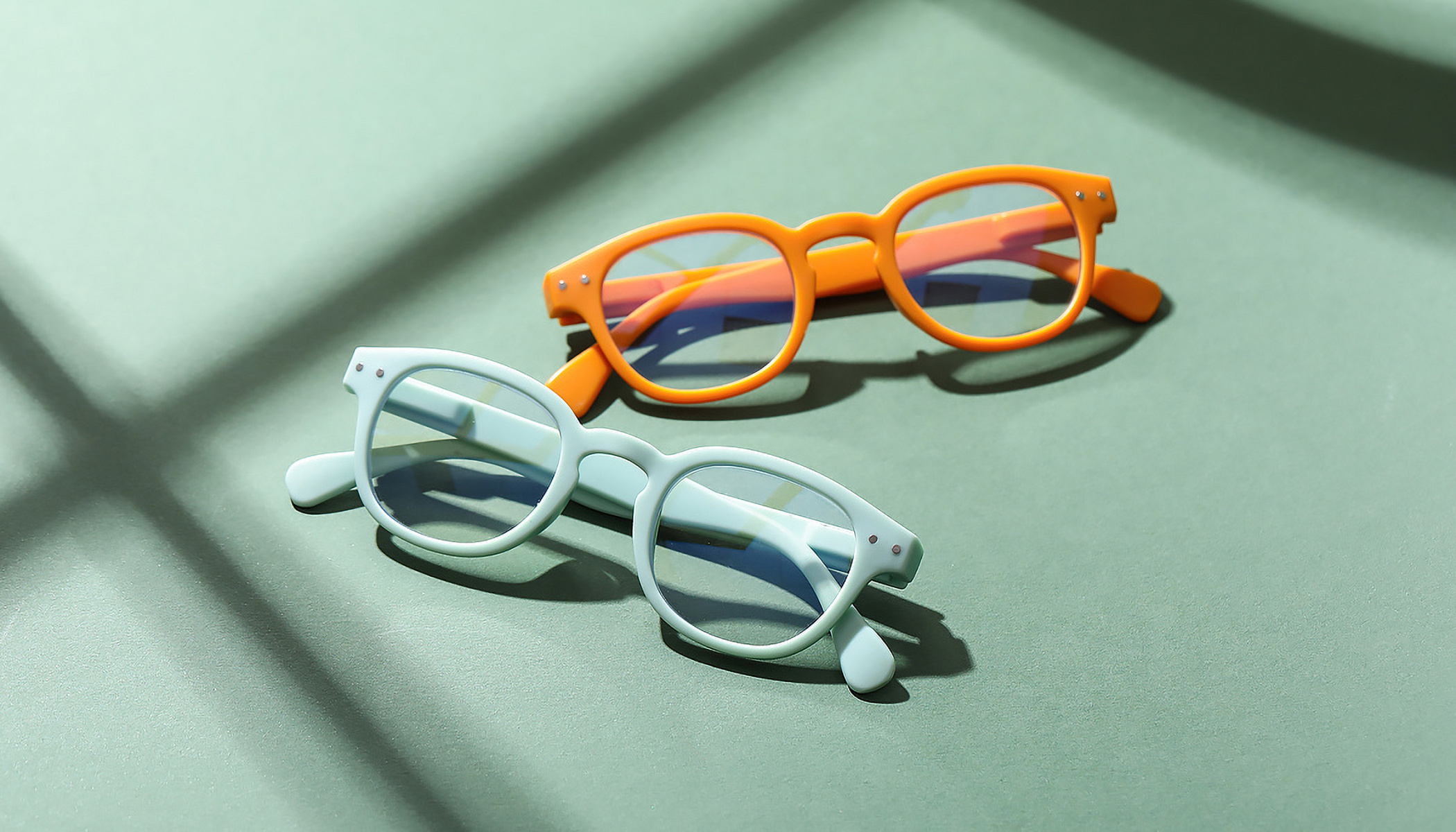
Harsh midday sunlight is a nightmare for many photographers—it means sharp shadows, high contrast, and challenging shooting conditions. In reality, however, it can be one of the most creative tools in photography. In this article, you’ll learn how to use hard light in portrait, street, and creative photography. You’ll discover how to work with bright sunlight to give your photos expression, texture, and a strong visual mood.
In this article, you’ll learn:
- What hard light is and how to recognize it.
- Why harsh sunlight isn’t necessarily your enemy.
- How to use hard light in portrait photography.
- How to work with shadows in street photography.
- How hard light highlights textures and details.
- How to combine hard light with reflections and fill light.
- How to find creative opportunities in the midday sun.
Summer means an abundance of sunlight. Most of the time, that sunlight is harsh. What does that mean for photographers? It means you can have a lot of fun with it and make the most of its creative potential. Hard light isn’t the enemy. It’s one of the most creative light sources we have—and best of all, it’s free.
What is hard light?
Hard light occurs when a light source with a small surface area illuminates a subject, or when the light source is so far away that it appears small in relation to the subject. Examples include a phone flashlight or the sun when its rays aren’t scattered by clouds.
Many photographers think that hard light means deep, dark shadows. But that’s a myth. The depth of shadows varies depending on how much light reaches them. For example, when light rays reflect off surrounding objects, the shadows won’t be completely black. However, this has no effect on the hardness of the light source.
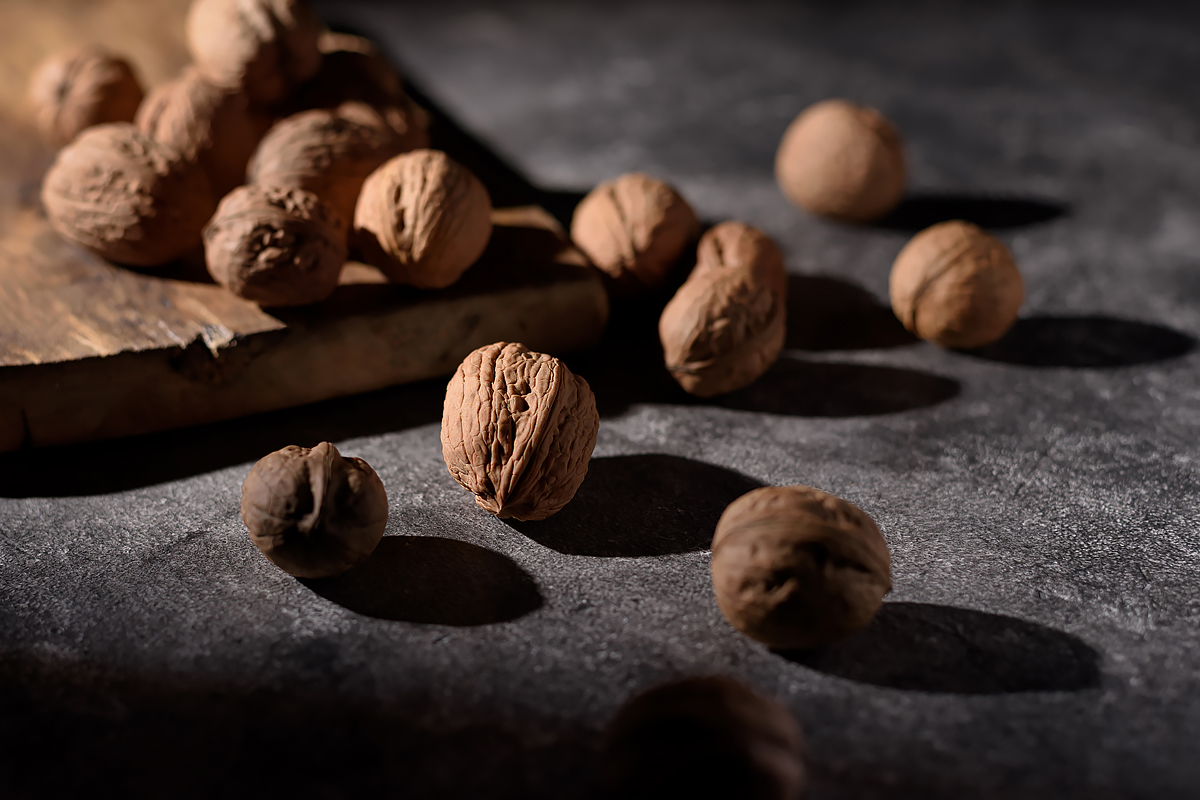
You can recognize hard light primarily by the sharp edges of its shadows. The transition between the bright and shadowed areas is abrupt and very pronounced. For example, if you hold your hand in direct sunlight, you see a clearly defined shadow on the ground. The edges are much softer under an overcast sky and may even disappear completely.

Further Reading: Hard vs. Soft Light: Learn the Real Difference
Why photographers avoid hard light
When shooting portraits in a studio, photographers often reach for a softbox. That’s perfectly understandable for traditional portrait photography. Hard light is unforgiving, and your client doesn’t want every blemish accentuated. When shooting outdoors on a bright day, photographers often move into the shade and use a reflector or diffuse the light above the face.
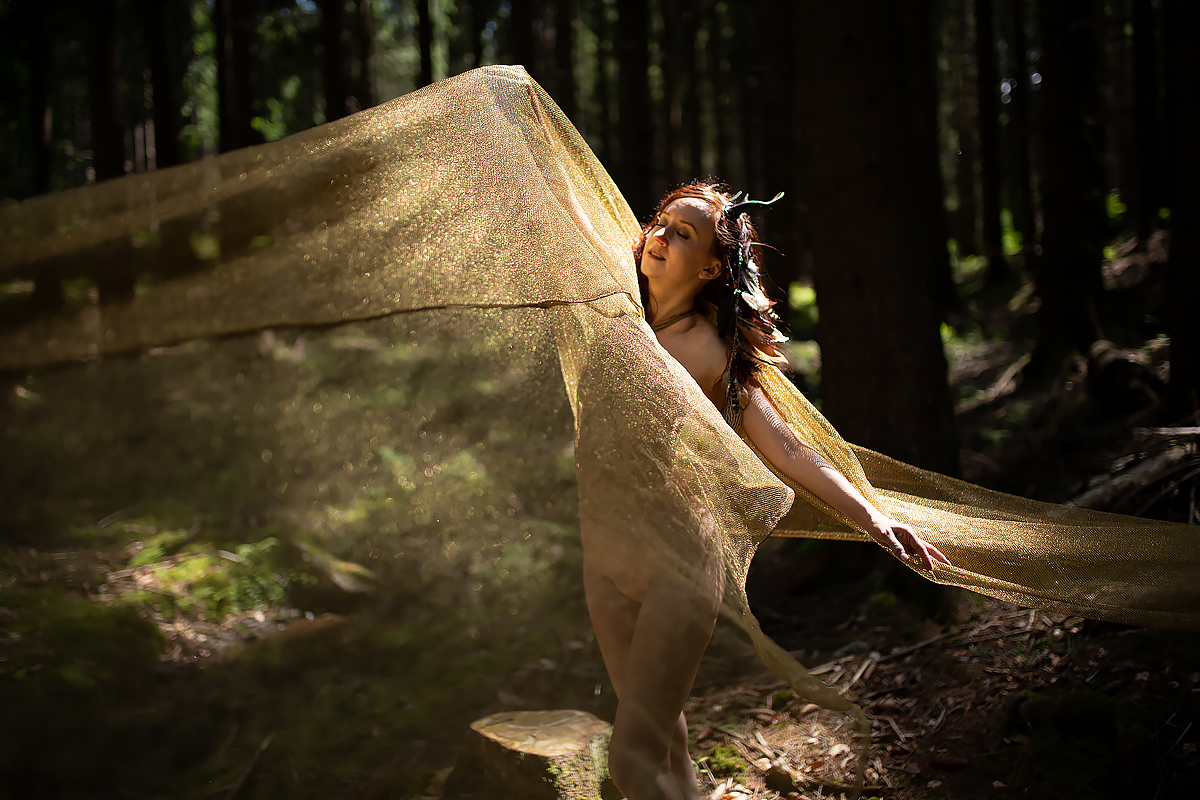

The difference between the two shots is just a few seconds. The sun created a striking interplay of light and shadow, enhanced by the reflection from the golden fabric on her face.
Many photographers try to avoid harsh sunlight or soften it at all costs. However, there are situations where it creates an absolutely captivating scene, and as soon as the sun goes behind a cloud, the magic disappears instantly.
It’s a big mistake to think that hard light must be the only light source in a shot. Yes, it’s the most prominent one, but there’s nothing preventing you from incorporating other, softer light sources to lighten the shadows and reveal more detail.
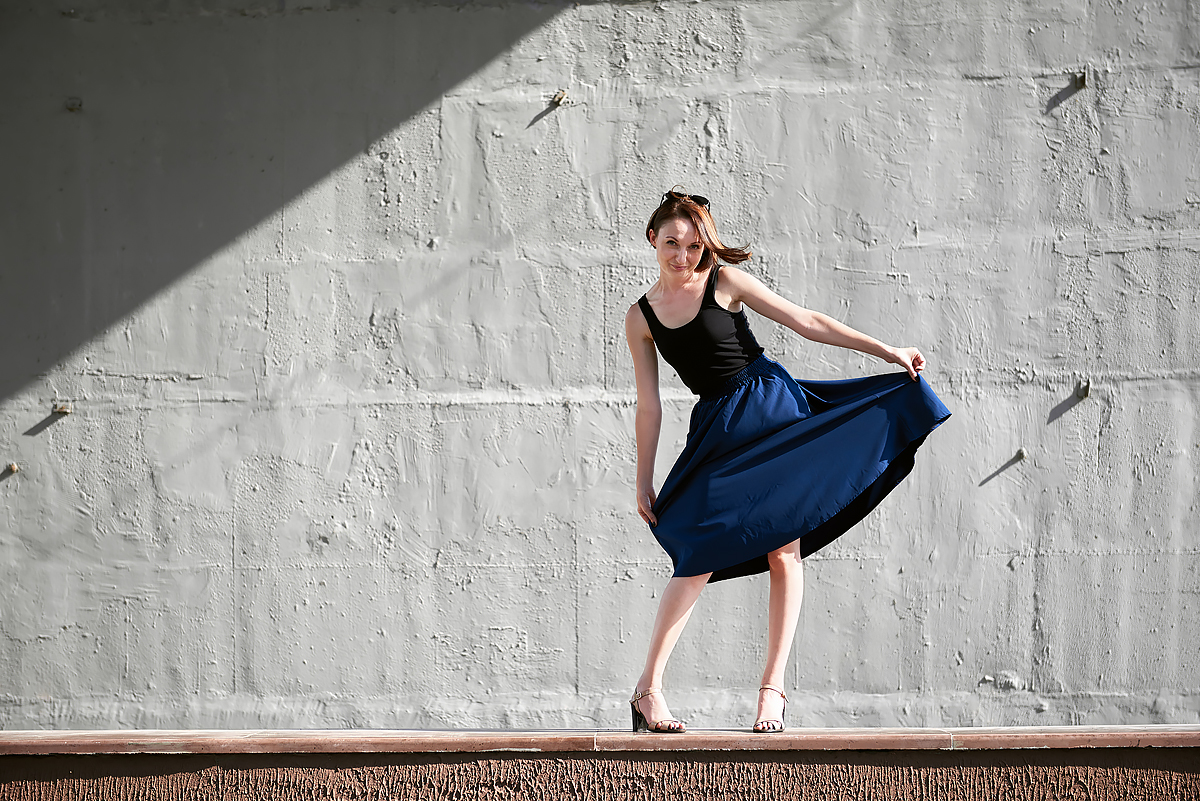
How to take portraits in bright sunlight
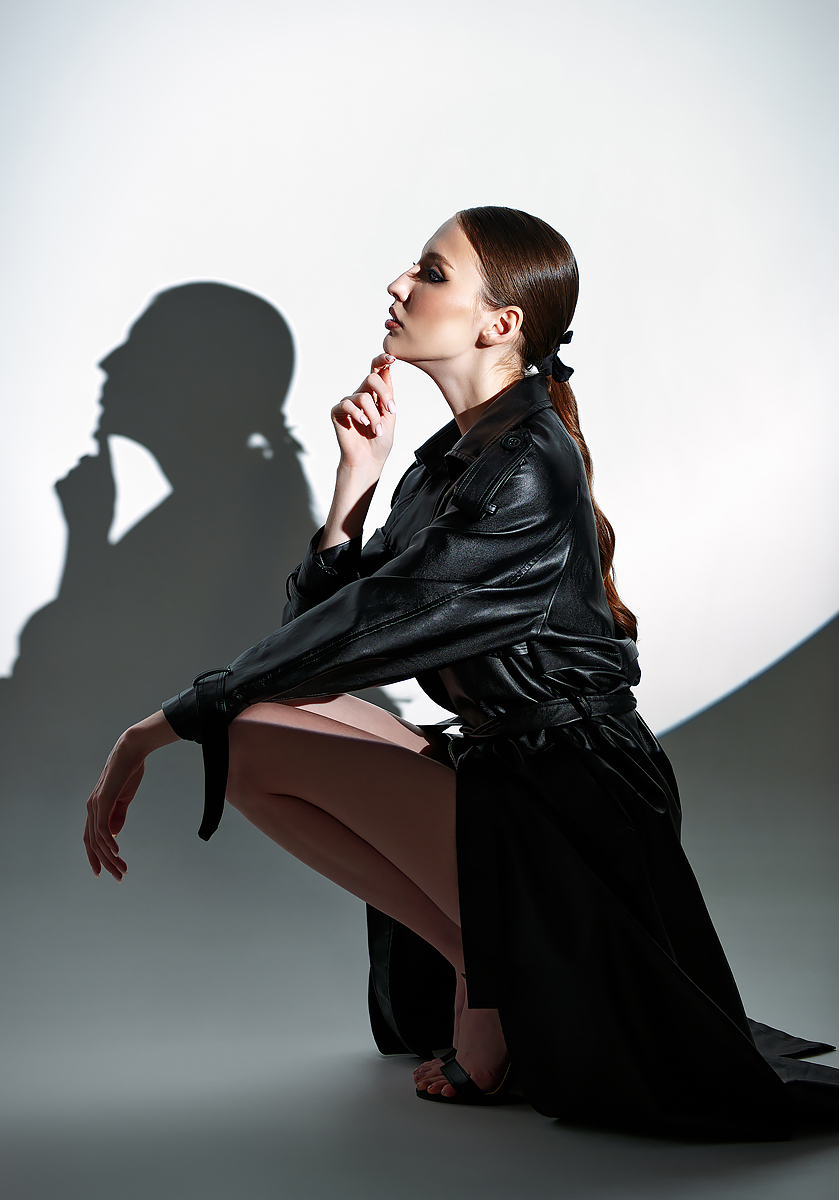
In the studio, you can also get completely unique and creative portraits. Take fashion photography, for example. Photographers often use gobos—templates that allow light to pass through various openings. This creates light patterns reminiscent of shadows cast by leaves, blinds, or window frames. When shooting outdoors, nature and architecture offer us similar effects completely free of charge.
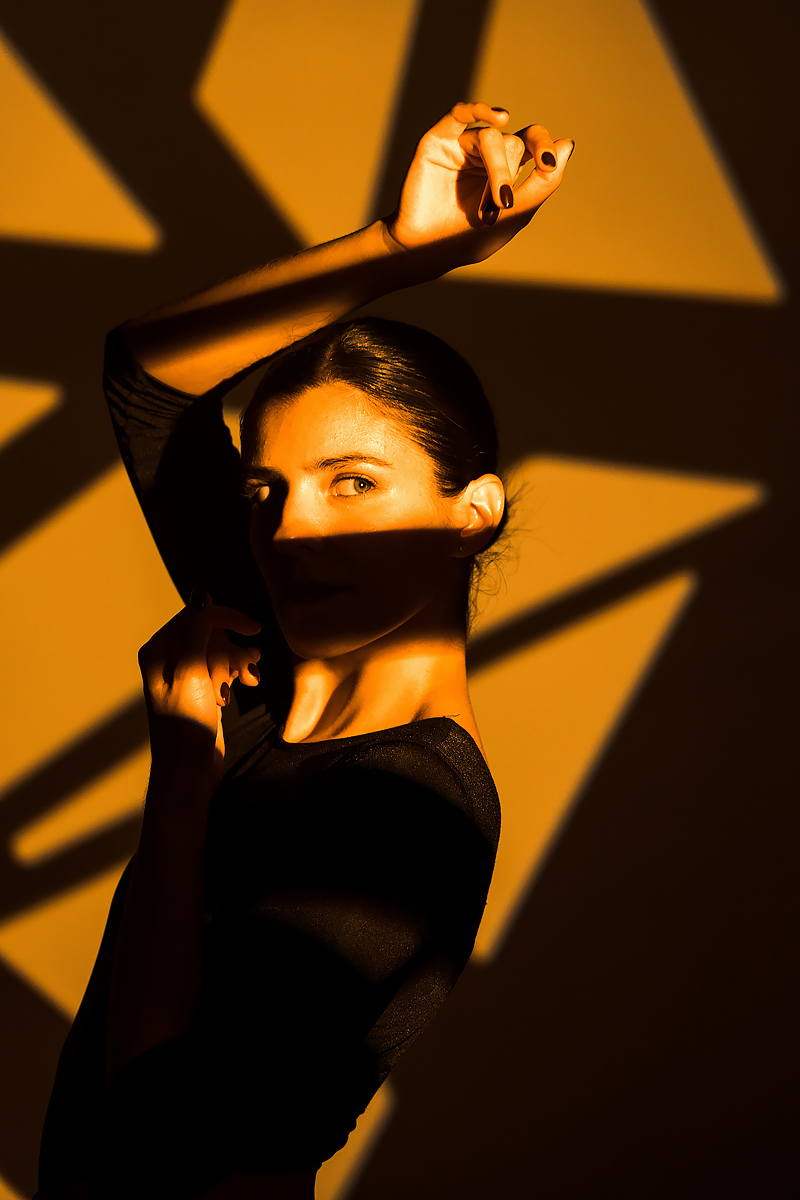
Harsh sunlight can illuminate half a face, create streaks of light, or transform an ordinary portrait into a much more dramatic scene.
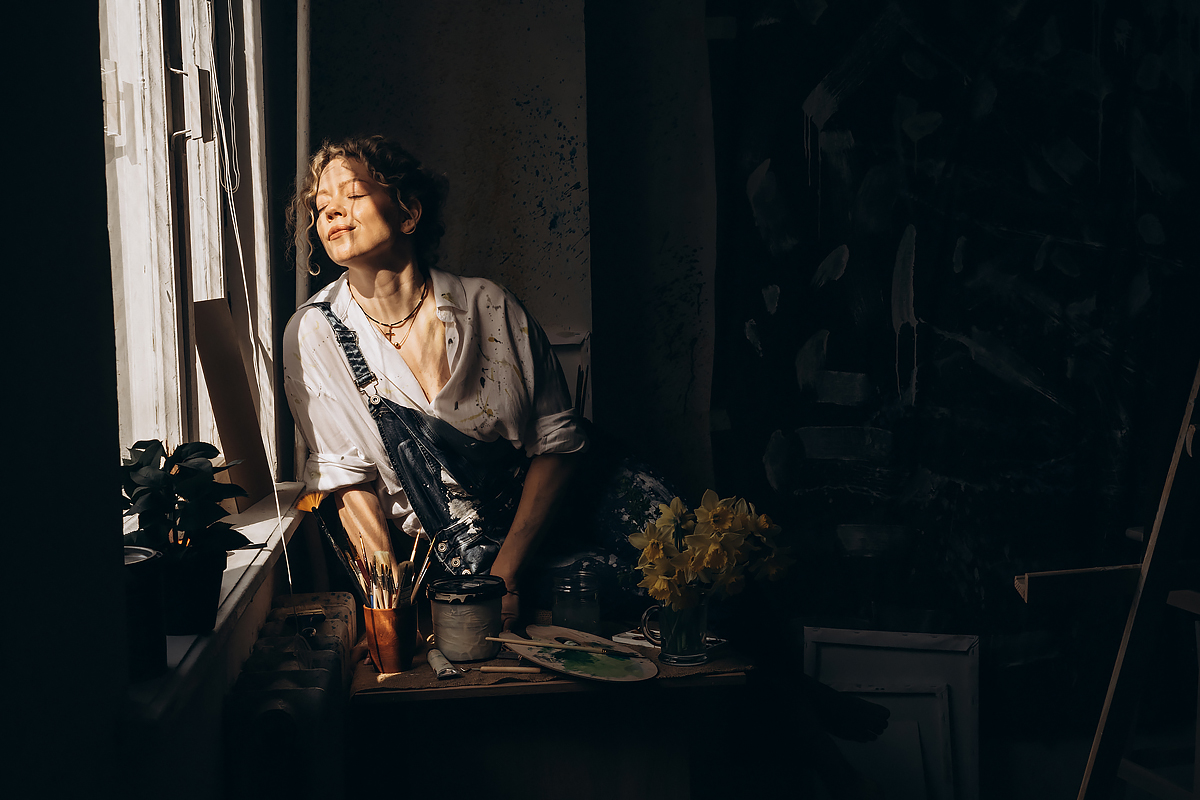
Hard front lighting can accentuate makeup, the sheen of fabric, and bold clothing colors. It creates clean, graphic images full of contrast and energy. It’s no coincidence that many fashion editorials are shot in the harsh midday sun.
Street photography in harsh sunlight
Street photography and hard light make a great pair. I prefer shooting street photos only in bright sunlight. It creates compelling stories in locations I know well and that otherwise seem rather dull.
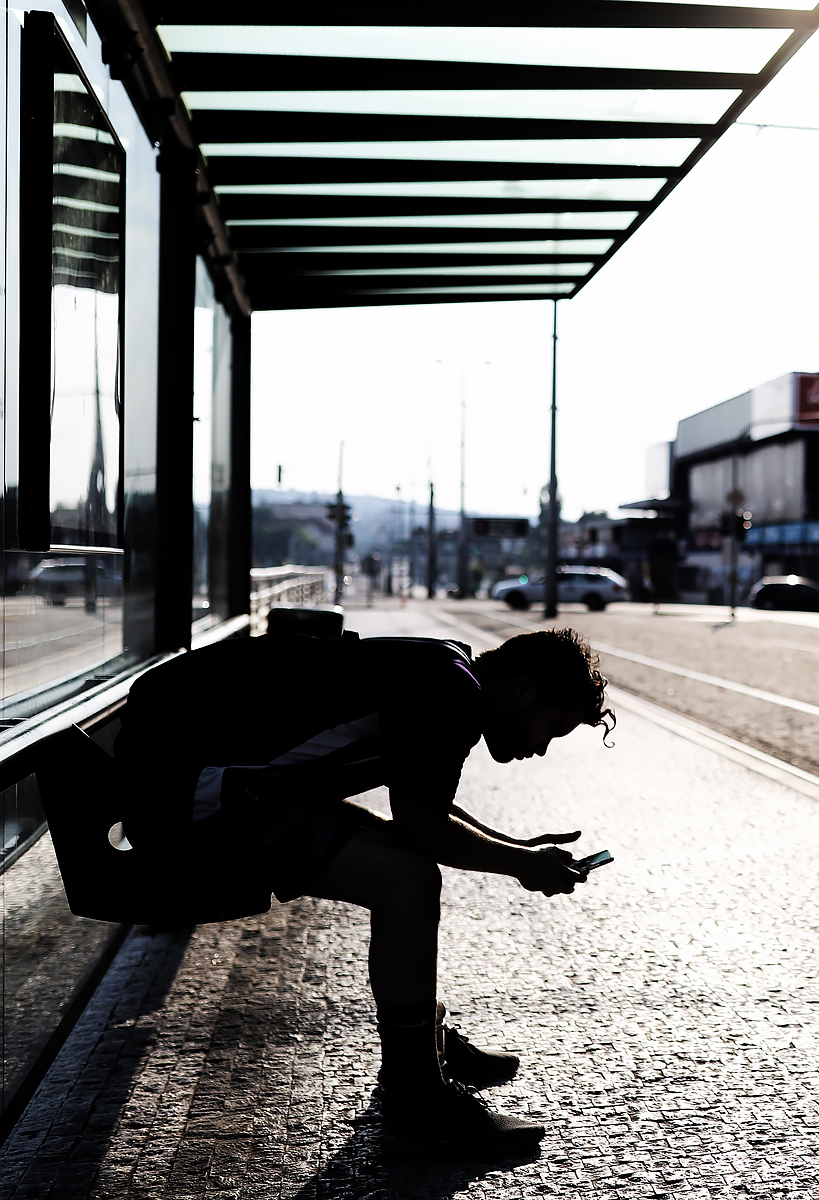
At noon, the city transforms into a giant graphic playground. The shadows of buildings create diagonal lines, railings form repeating patterns, and people stepping into patches of light become silhouettes.
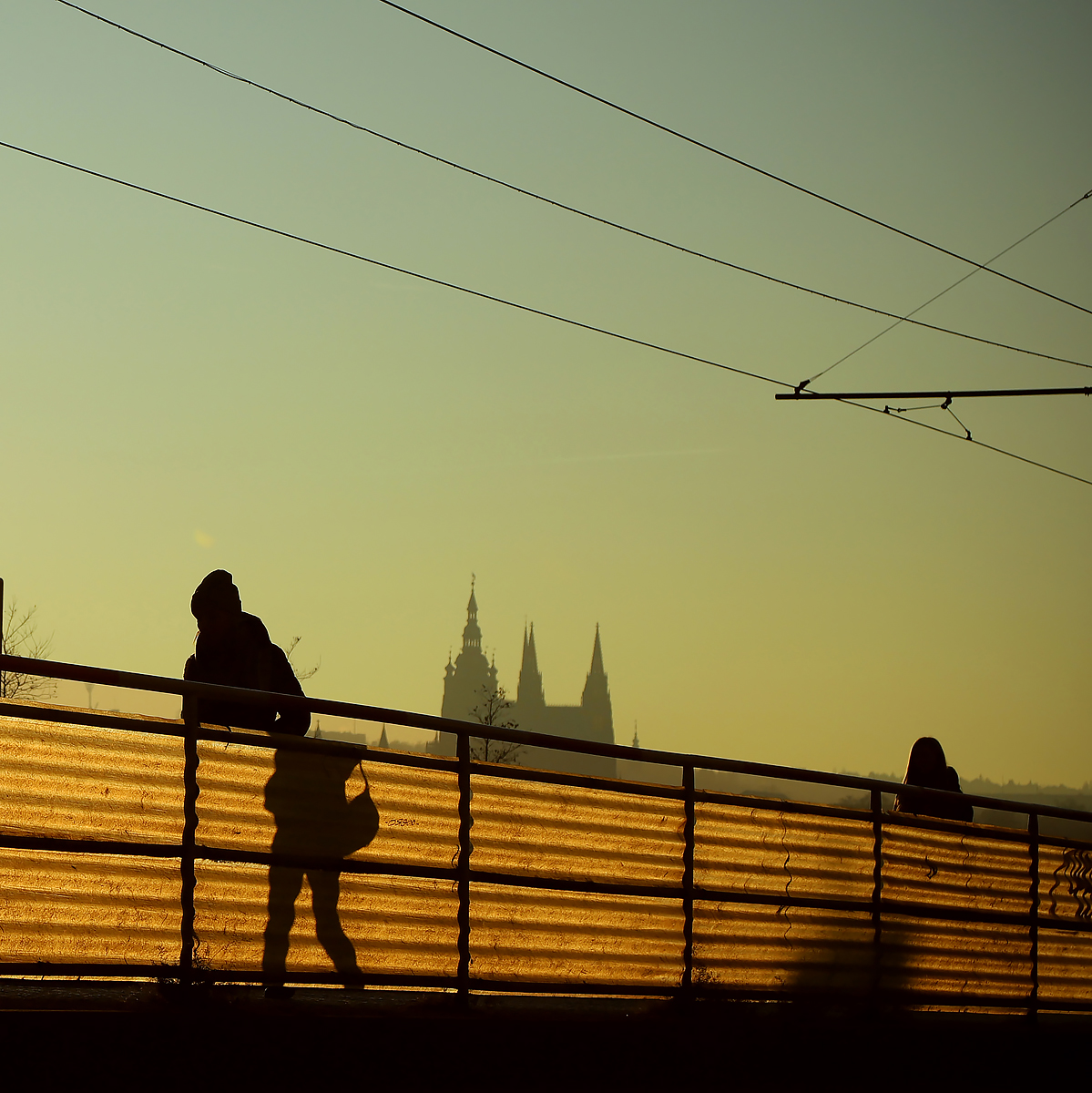
Hard light also creates striking reflections off glass, metal, or wet surfaces. It’s precisely these bright reflections that can add dynamism and an unexpected atmosphere to a shot.
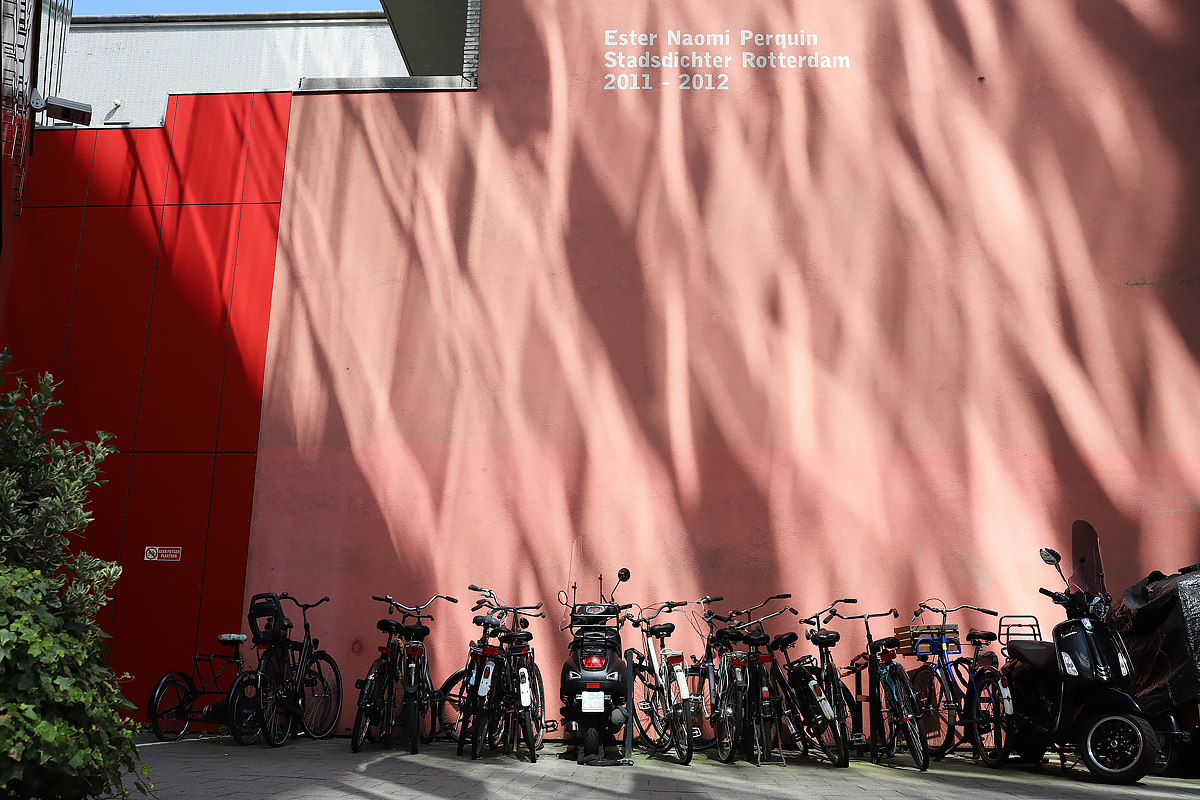
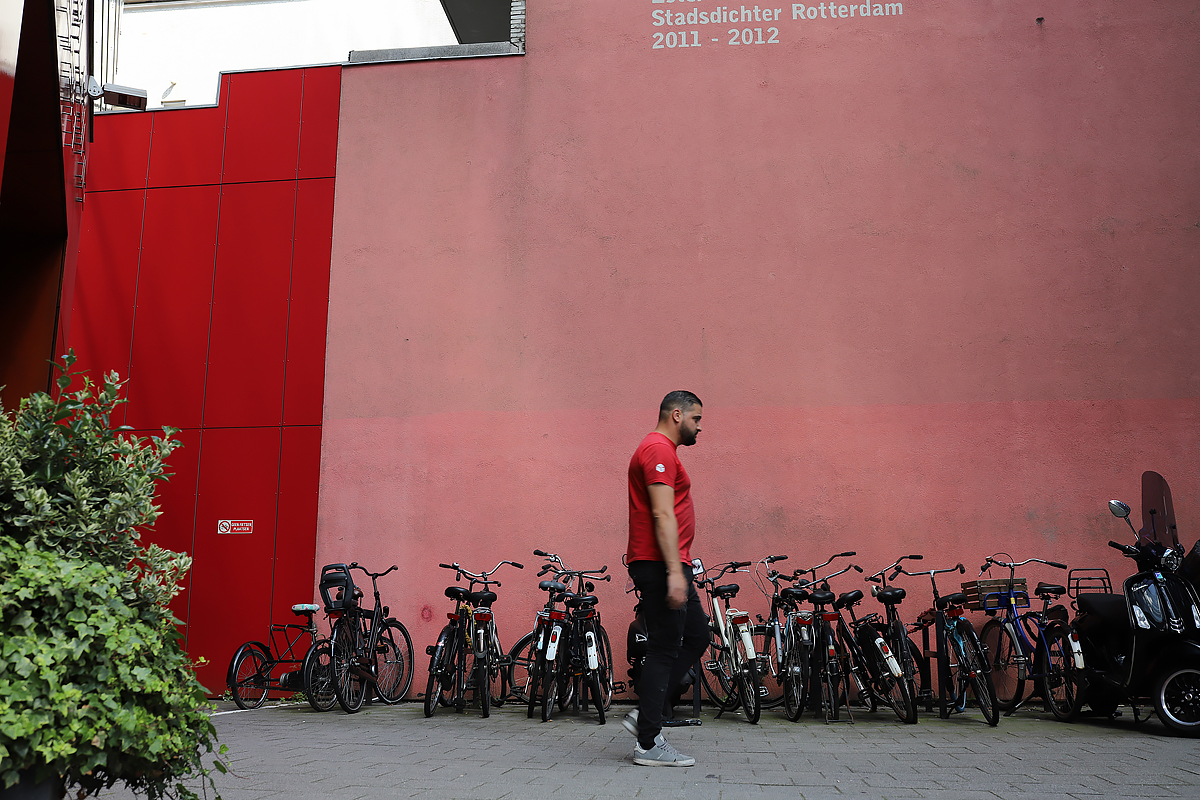
How hard light highlights textures and details in photography
Hard side light can sculpt surfaces. It brings out the texture of old plaster, cracked wood, stone, and even human skin. Subtle details that are almost lost in soft light suddenly gain depth and dimension.
Food photographers love using hard light for clean, summery composition. And the rule still applies—hard light can easily be supplemented with another light source when needed.

FAQs
What is hard light in photography?
Hard light is light that creates sharp, clearly defined shadows and comes from a small or distant light source, typically direct sunlight.
When is harsh sunlight best for photography?
Most often at midday and on bright days, when shadows are sharpest, and contrast is highest.
Is hard light suitable for portraits?
Yes, if you use it intentionally—for example, for dramatic, fashion, or street portraits.
How can you soften hard light without a softbox?
Shade, a reflector, a translucent diffuser, or reflections from surrounding surfaces can all help.
Why do photographers often avoid hard light?
It accentuates skin texture, creates strong contrasts, and is more difficult to control than soft light.


There are no comments yet.